
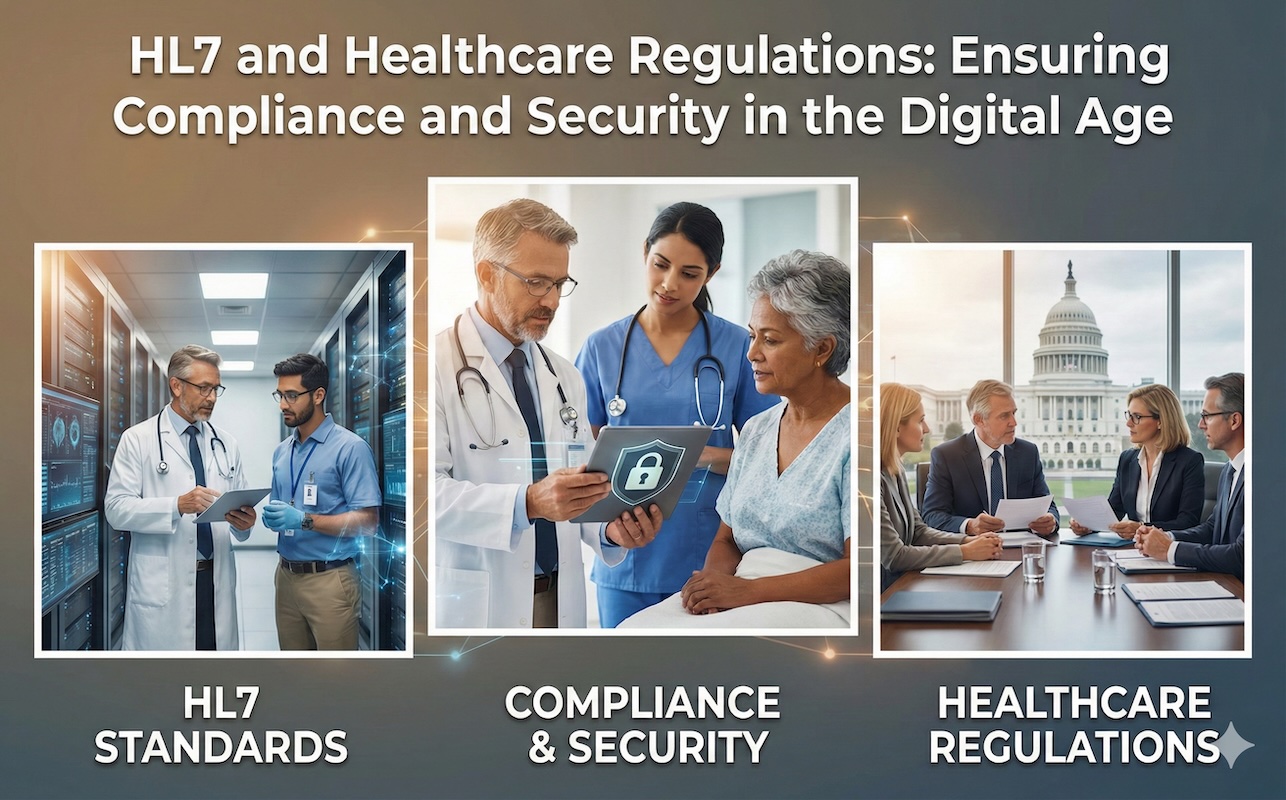
The healthcare industry is heavily reliant on the efficient exchange of data between disparate systems—whether it's between electronic health records (EHRs), laboratories, pharmacies, or medical devices. However, such widespread data exchange also comes with significant risks, especially when it involves the handling of patient data, which is inherently sensitive and protected under various laws. Ensuring the privacy and security of this data is therefore paramount.
Compliance with regulations such as the Health Insurance Portability and Accountability Act (HIPAA) in the United States, and similar laws worldwide, requires healthcare organizations to meet stringent data protection standards. At the same time, healthcare systems must maintain the ability to communicate across different platforms to ensure continuity of care. This is where HL7 (Health Level Seven) comes into play.
HL7 is a set of international standards for the exchange, integration, sharing, and retrieval of electronic health information. By standardizing the way healthcare data is communicated, HL7 helps organizations comply with regulations and ensures interoperability between different healthcare information systems. But simply adopting HL7 is not enough. It is essential that organizations also test the integrity and security of their HL7 implementation to avoid any vulnerabilities. This is where pentesting comes into play.
In this article, we will delve deeper into how HL7 assists healthcare organizations in maintaining regulatory compliance, with a specific focus on data security and interoperability. We will also discuss how pentesting can help ensure that HL7 implementations are secure and resilient to cyber threats.
What is HL7?
HL7 refers to a set of international standards used to exchange, integrate, and retrieve electronic health information. These standards are used by healthcare providers, payers, and other related entities to share critical information about patient care, administrative details, and billing.
HL7 helps streamline the transfer of healthcare information by offering a framework that ensures data is consistently formatted and organized. It specifies how information is transmitted between systems, reducing the risk of errors and misinterpretations that can occur when different healthcare systems speak different data formats. HL7 is widely used in clinical, administrative, and financial areas of healthcare, and it facilitates better coordination between healthcare providers, laboratories, insurance companies, and patients.
The HL7 standard is divided into several different versions, with the most commonly used being HL7 V2, HL7 V3, and HL7 FHIR (Fast Healthcare Interoperability Resources). While each version serves different needs, they all aim to improve interoperability, reduce administrative burdens, and enhance the overall quality of healthcare delivery.
HL7 and Healthcare Regulations
In the healthcare industry, regulations like HIPAA (Health Insurance Portability and Accountability Act) are designed to safeguard patient data and ensure that healthcare providers maintain a high standard of care. These regulations impose stringent requirements on how patient data must be stored, transmitted, and accessed. Failing to meet these standards can lead to severe consequences, including legal penalties and loss of trust.
HL7 plays a crucial role in meeting these regulatory requirements, particularly in terms of:
- Data Integrity and Accuracy: HL7 ensures that healthcare data remains consistent and accurate across systems. By using standardized messages, healthcare organizations can prevent the common issues of data fragmentation, which can lead to errors in diagnosis or treatment.
- Confidentiality and Security: Healthcare regulations require that patient data be kept confidential and secure. HL7 supports this by providing mechanisms for encrypting sensitive information, authenticating users, and restricting access based on roles. These features are vital for HIPAA compliance.
- Interoperability: Healthcare organizations often use different software systems to manage patient information. HL7 facilitates interoperability, ensuring that data can be shared seamlessly across systems. This interoperability is essential for meeting regulatory requirements, as it allows healthcare providers to access and exchange patient information without jeopardizing security or privacy.
- Audit Trails: HL7 can help track and log all exchanges of sensitive data, which is crucial for compliance with regulatory requirements. Audit trails ensure that there is a transparent record of who accessed patient data, what changes were made, and when they were made.
By ensuring data accuracy, security, and interoperability, HL7 helps healthcare organizations meet the legal requirements set out by regulatory bodies like HIPAA, and it allows for better, more efficient patient care.
Pentesting and HL7 Implementation: A Critical Component of Healthcare Security
Why Pentesting is Essential in Healthcare
Penetration testing, or pentesting, is a proactive approach to identifying and addressing security vulnerabilities within a system. In healthcare, pentesting is particularly important because healthcare data is an attractive target for cybercriminals. These data breaches not only compromise patient confidentiality but can also lead to financial loss, reputational damage, and legal ramifications.
For organizations using HL7 to exchange sensitive patient data, pentesting is an essential part of their cybersecurity strategy. Although HL7 provides standardized frameworks for data security, the implementation of these standards varies across healthcare organizations. Vulnerabilities can emerge in how HL7 is integrated into a system, potentially allowing cybercriminals to access sensitive information.
HL7 Implementation and Pentesting
Regular pentesting of HL7 implementations helps healthcare organizations identify weaknesses in their systems before they can be exploited by malicious actors. Key areas where pentesting is especially important for HL7 systems include:
- Message Integrity and Transmission: HL7 messages must be transmitted securely to prevent unauthorized access and tampering. Pentesting can assess whether HL7 messages are encrypted during transmission and whether the systems handling the messages are properly configured to prevent man-in-the-middle attacks or data breaches.
- Access Control and Authentication: Pentesters evaluate how effectively healthcare organizations use access controls and authentication measures to protect patient data. This includes testing password strength, multi-factor authentication, and role-based access to ensure that only authorized individuals can access sensitive patient information.
- Vulnerabilities in Third-Party Systems: Many healthcare organizations rely on third-party vendors for some aspects of their healthcare data exchange. Pentesting can identify security gaps in these third-party systems, ensuring that any vulnerabilities in connected systems do not compromise the security of the entire network.
- System Configuration and Software Updates: Pentesting can also identify weaknesses in the configuration of HL7 systems, such as outdated software versions or misconfigured network settings. Keeping software up to date and configuring systems correctly are critical to maintaining security and compliance.
By performing pentesting regularly, healthcare organizations can strengthen their HL7 implementations and better protect patient data from cyber threats. This proactive approach helps mitigate potential risks and ensures that HL7 systems remain compliant with healthcare regulations.
Conclusion
As healthcare organizations continue to rely on digital solutions for managing patient data, the importance of ensuring compliance with healthcare regulations cannot be overstated. HL7 plays a critical role in achieving this compliance by standardizing the exchange of healthcare data, ensuring security, and enabling interoperability between systems. The use of HL7 helps organizations meet key regulatory requirements such as HIPAA, protecting patient privacy and ensuring the integrity of healthcare data.
However, simply adopting HL7 is not enough. Healthcare organizations must also implement robust security measures, and this is where pentesting becomes essential. Regular pentests help identify vulnerabilities in HL7 systems, ensuring that any weaknesses are addressed before they can be exploited by attackers.
By combining HL7 with proactive security practices like pentesting, healthcare organizations can ensure that their systems are not only compliant with regulations but also secure from the increasing number of cyber threats facing the healthcare sector. In an era where data breaches are becoming more frequent and sophisticated, investing in the security of HL7 systems is a critical step towards maintaining patient trust and safeguarding sensitive information.
Featured Image generated by Google Gemini.
Share this post
Leave a comment
All comments are moderated. Spammy and bot submitted comments are deleted. Please submit the comments that are helpful to others, and we'll approve your comments. A comment that includes outbound link will only be approved if the content is relevant to the topic, and has some value to our readers.
Comments (0)
No comment