
Marketing may be driven by short videos and social trends, yet the humble email inbox is still where many buying journeys quietly begin. Paid ads grow more expensive every year, and social reach rises and falls with every algorithm change. Email, on the other hand, keeps delivering if you treat it with the respect modern customers expect. Let’s walk through what actually works in 2026, without fluff, jargon, or outdated tricks.
Why Email Still Wins in 2026
Inbox engagement for many brands rose last year while acquisition costs on social continued climbing. The lesson is simple: collecting, warming, and delighting subscribers remains one of the most profitable strategies. Done well, a single automated sequence can nurture customers for months without ongoing ad spend.
Another reason email matters: first-party data. Privacy regulations in the U.S., Europe, and other regions continue to evolve. Owning a permission-based list gives you a compliant and future-proof communication channel. If platforms change the rules tomorrow, your list remains an asset you control.
Building Your Foundation
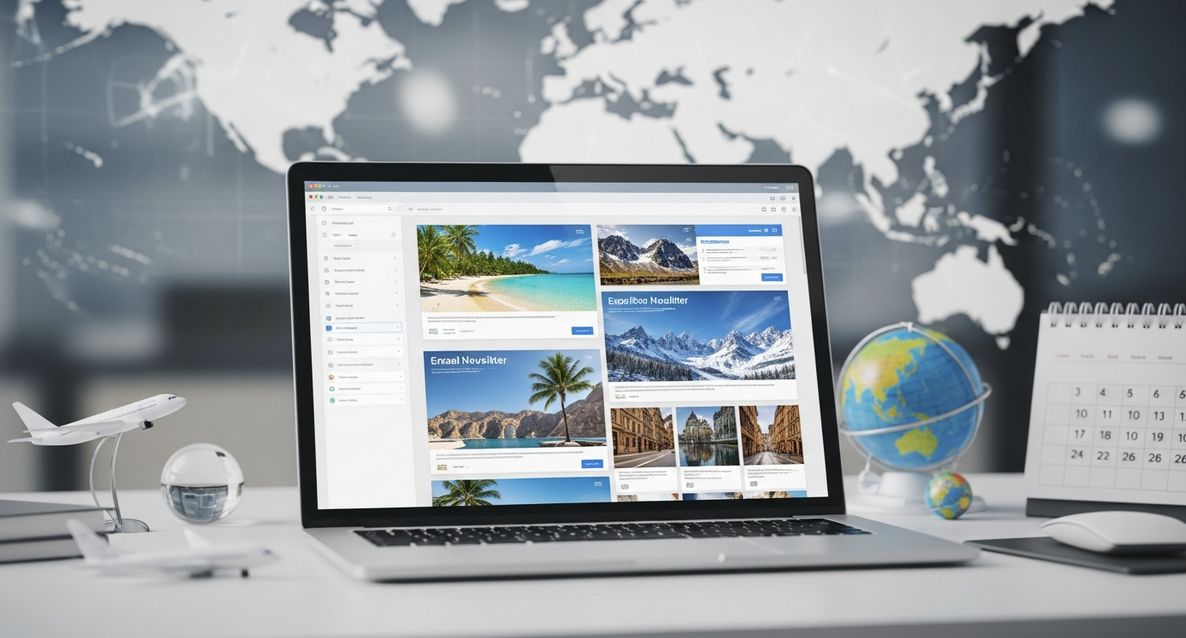
Many companies jump straight into templates without planning their infrastructure. Before sending your first campaign, define your technology, data hygiene processes, and brand voice. Evaluate each platform carefully. Whether you choose a lightweight ESP or an enterprise solution, your customer data should sync in real time. For example, an email marketing solution for travel agencies often requires dynamic segmentation, real-time booking data, and personalized automation to deliver relevant offers and updates.
Clean inactive contacts regularly to maintain strong deliverability. Even small increases in spam complaints can damage sender reputation. Tag subscribers by interest, behavior, or lifecycle stage. Relevance, not frequency, drives engagement in 2026.
List Growth Tactics That Work
Pop-ups still work, but customers now expect clear value. Offer something specific and useful:
- A detailed guide
- Exclusive content
- Early access
- Discounts or consultation
The more targeted your lead magnet, the higher the quality of your subscribers.
Offline collection is often overlooked. Events, trade shows, retail locations, and QR codes can capture qualified leads and place them directly into relevant segments. Personal interaction builds trust before the first email arrives.
Crafting Emails People Actually Open
Tone matters more than design. A strong visual helps, but your message should sound human and authentic, not like a mass promotion. Keep emails easy to scan with short paragraphs, clear headings, and one strong call-to-action.
Preview text is frequently wasted. Instead of generic phrases, tease value. Mobile users only see a limited number of characters, so make them count.
Testing is essential. Subject lines are only the beginning. Test timing, layout, and personalization. Tools that simulate inbox environments help detect technical issues before sending to large audiences. For example, many teams use sandbox testing platforms such as Mailtrap or explore Mailtrap alternatives like UniOne to validate deliverability, check broken templates, and ensure authentication settings are configured correctly before launching campaigns.
Automations That Drive Revenue
Automated workflows consistently outperform manual campaigns. Focus on core sequences:
- Welcome Series: Introduce your brand, share valuable resources, and set expectations.
- Abandoned Action Reminders: Recover lost opportunities such as incomplete purchases, bookings, or sign-ups. For example, in travel and service industries, well-timed reminder flows can recover about 15% of stalled itineraries.
- Onboarding and Education: Help customers get the most from your product or service.
- Post-Purchase Engagement: Encourage reviews, referrals, and repeat business.
- Re-Engagement Campaigns: Reconnect inactive subscribers or remove them to maintain list health.
These workflows help you measure revenue per subscriber and customer lifetime value rather than just open rates.
Personalization Without Crossing Boundaries
Use dynamic data beyond first names. Behavioral signals such as preferences, browsing history, and product interests make communication more relevant. However, avoid overly sensitive or intrusive details.
Contextual personalization—such as location, time, or seasonal relevance—creates meaningful engagement without feeling invasive.
Segmentation: Start Simple
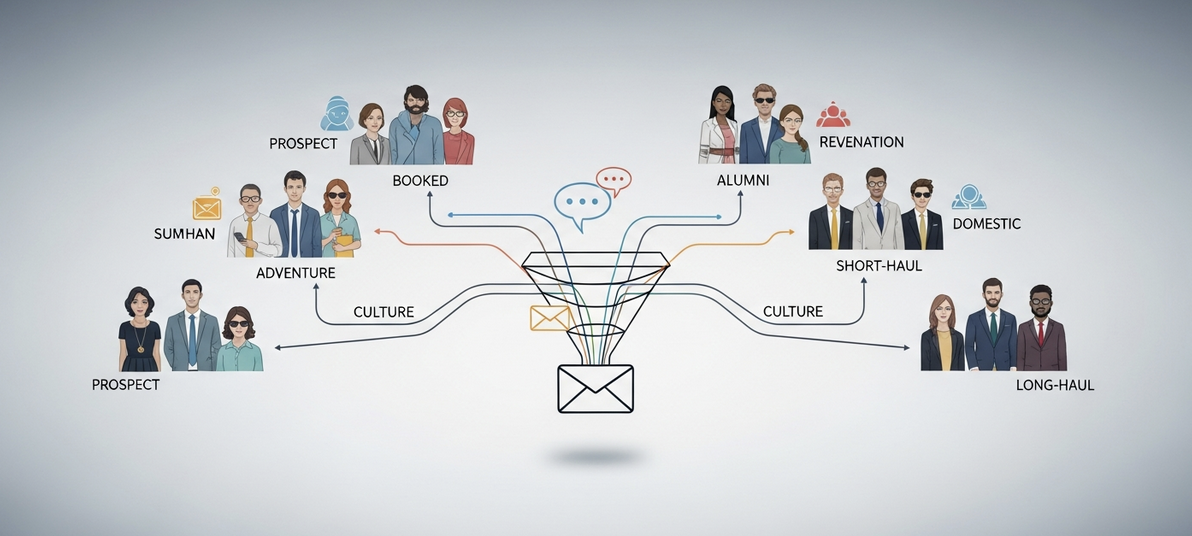
Many organizations over-segment too early. Begin with:
- Lifecycle stage
- Interests or needs
- Geographic region
As your database grows, advanced models such as predictive analytics and AI scoring can refine targeting. Segmentation is only valuable when it changes the customer experience.
Measuring What Matters
Open rates are less reliable due to privacy changes. Focus instead on:
- Click-through rates
- Conversion and revenue
- Customer retention
- Engagement over time
Modern attribution tools provide a clearer view of how email contributes to the full customer journey.
Budget and ROI
Costs vary depending on scale. Small businesses may spend a few hundred dollars monthly, while larger organizations invest significantly more. However, email consistently delivers one of the highest ROI figures among marketing channels. For example, in travel and experience-based industries, the average return has been reported near 36:1, highlighting the long-term value of well-managed email programs.
If performance falls short, review deliverability, segmentation, and content relevance before increasing spend.
Compliance and Accessibility
Privacy regulations and accessibility standards are essential. Build consent into every sign-up, provide easy unsubscribe options, and honor data requests. Accessible emails with clear structure and readable fonts improve engagement for all audiences.
Common Mistakes to Avoid
- Buying Lists: Purchased contacts rarely match your ideal customer profile and often damage sender reputation, leading to lower deliverability, increased spam complaints, and reduced engagement.
- Over-Sending Promotions: Constant discount-driven messaging can train subscribers to ignore your emails or wait for offers, weakening long-term brand value and profitability.
- Neglecting Mobile Optimization: Over 46% of email opens now occur on mobile devices. If your design is not responsive, you risk poor user experience, lower engagement, and lost conversions.
- Ignoring Plain-Text Rendering: Some email clients and corporate security filters strip HTML formatting. Messages that do not render well in plain text can appear unprofessional and reduce trust.
- Failing to Maintain List Hygiene: Sending emails to inactive or outdated contacts lowers engagement metrics and can harm deliverability. Regularly cleaning and segmenting your list helps maintain performance.
Bringing It All Together
The inbox is crowded, but it is far from obsolete. In 2026, successful email marketing is about relevance, trust, and consistent value. Choose the right tools, maintain clean data, and communicate with empathy.
When done well, email becomes more than a marketing channel. It becomes a long-term relationship engine that drives loyalty, revenue, and sustainable growth—independent of changing platforms and trends.
Featured Image generated by Google Gemini.
Share this post
Leave a comment
All comments are moderated. Spammy and bot submitted comments are deleted. Please submit the comments that are helpful to others, and we'll approve your comments. A comment that includes outbound link will only be approved if the content is relevant to the topic, and has some value to our readers.
Comments (0)
No comment