

Enhancing Network Security: Best Practices for 2025

As digital transformation speeds up, organizations are encountering a surge of cyber risks like never before. Remote work has become permanent, cloud use is widespread, and connected devices are everywhere. At the same time, attackers are becoming faster and smarter. They use AI-driven malware, deepfake scams, and automated bots to break into systems. In this landscape, network security is not just about defense; it’s about survival and growth.
As we approach 2025, businesses can no longer depend only on traditional security measures like firewalls and intrusion detection systems. While these still matter, they need to be part of a wider, proactive strategy that looks for threats before they occur.
Let’s look at the best practices organizations should focus on to improve their network security in the coming year.
1. Zero Trust Becomes Non-Negotiable
The idea of “never trust, always verify” has shifted from being a trend to a necessity. Zero Trust Architecture (ZTA) views every device, user, and application as untrusted until verified. Instead of depending on network boundaries, Zero Trust applies strict access controls, multi-factor authentication, and ongoing monitoring across all endpoints.
By 2025, regulators and industry groups increasingly suggest Zero Trust as a standard practice. For businesses, adopting ZTA decreases the chance of attackers moving laterally within a network and limits damage even if one account is hacked. It also helps in managing hybrid work situations where employees access sensitive information from various locations and devices.
2. Harnessing AI and Machine Learning
Cybercriminals are using AI to automate phishing attacks and create personalized social engineering messages on a large scale. To fight back, businesses need to use AI as well. AI-powered security platforms can analyze traffic patterns, spot unusual activity, and respond to incidents more quickly than human teams can.
Machine learning algorithms get better over time. They learn from past incidents and adjust to new threats. It is common to see AI integrated into Security Information and Event Management (SIEM) tools.
This integration provides real-time visibility across the entire IT ecosystem. By combining automation with human oversight, organizations can achieve quicker threat detection and response without overwhelming IT teams.
3. Stronger Data Encryption
Encryption remains one of the most reliable protections against data breaches. With the rapid growth of data exchange across networks, such as emails, cloud storage, video conferencing, and IoT devices, encryption must be applied from start to finish.
Organizations are moving beyond basic HTTPS and VPNs to adopt more effective encryption methods. These include post-quantum cryptography, which aims to guard against the potential threats from quantum computing. Companies that include encryption in every stage of data transfer and storage reduce their risk significantly. This ensures that even if attackers intercept data, the information remains unreadable.
4. Proactive Vulnerability Management
Unpatched software remains one of the easiest entry points for hackers. Many high-profile breaches in recent years came from known weaknesses that organizations failed to fix in time.
Best practices in 2025 require more than just occasional patching. Businesses should use continuous vulnerability scanning, automated patch deployment, and threat intelligence feeds to stay ahead. Risk-based prioritization is also crucial. Companies need to address weaknesses that are actively being exploited before others.
By integrating vulnerability management into the overall IT workflow, companies can reduce their attack surface and close openings before attackers can exploit them.
5. Securing the Human Element
Technology alone cannot secure networks. Human behavior is the biggest factor in breaches, with phishing and credential theft being the most common attack methods year after year.
To address this, organizations must invest in ongoing employee training. Instead of one-time workshops, leading businesses in 2025 use gamified simulations, real-world phishing tests, and role-based security awareness programs. The aim is to make every employee, from entry-level staff to executives, an active part of the company’s defense.
At the same time, implementing stronger identity and access management policies, such as password less authentication and least privilege access, reduces the damage that can occur if human error does happen.
6. Cloud and Hybrid Security
With more workloads moving to the cloud and hybrid environments, network borders are fading. Data moves freely between on-premises systems, cloud platforms, and third-party services. This increases the difficulty of securing everything.
Organizations will adopt Secure Access Service Edge (SASE) frameworks that combine network security functions like secure web gateways, firewalls, and Zero Trust network access into a single, cloud-delivered model. This method offers consistent protection no matter where users or resources are located.
For companies operating globally, this also improves performance by lowering latency, as security enforcement points are spread across different regions.
7. Incident Response and Resilience
Even with the strongest defenses, breaches can still happen. The difference between a minor disruption and a serious event often depends on how well an organization can respond.
Best practices now focus on creating and regularly testing incident response plans. This includes defining clear roles and responsibilities, keeping communication protocols, and practicing disaster recovery drills. Some companies even conduct “red team” exercises where security experts simulate attacks to see how well the organization responds.
Resilience means more than just bouncing back; it involves ensuring minimal downtime and protecting customer trust during cyber events.
8. Compliance and Regulatory Alignment
Network security is no longer just a technical issue; it’s a legal one. With stricter data protection laws emerging worldwide, companies must align their practices with regulatory requirements such as GDPR, CCPA, HIPAA, and industry-specific standards.
Compliance not only avoids fines but also boosts customer confidence. In many industries, demonstrating compliance with security frameworks is becoming a competitive differentiator. For example, healthcare providers that show robust network protections are more likely to gain patient trust when adopting digital health solutions.
Case Study: Surespan’s Zero-Trust Evolution with Tangible Results
Surespan, a UK manufacturer of specialized access solutions, has contributed to landmark projects such as the SoFi Stadium and the Burj Khalifa. As a company with a global footprint, it faces challenges in securely supporting its on-site teams.
To address this, modern companies are adopting innovative solutions that allow for remote collaboration without compromising security or productivity. This includes:
- Zero Trust Network Access (ZTNA): This approach verifies every user and device before granting access, eliminating the broad trust of traditional VPNs.
- Augmented Reality (AR) headsets: Technology like RealWear headsets allows on-site engineers to receive real-time remote guidance from experts, which can significantly reduce the need for travel.
This integration of secure connectivity and remote collaboration tools demonstrates how forward-thinking companies are embracing new technology to improve efficiency and maintain project schedules on a global scale.
Wrap Up
Network security is defined by complexity, speed, and the constant evolution of threats. From Zero Trust to AI-driven defenses, proactive vulnerability management to employee awareness, the practices outlined here are essential for businesses determined to stay ahead.
This article was contributed by ColorWhistle, a website development company with over a decade of experience. Drawing from its expertise, ColorWhistle emphasizes that strong security foundations not only protect businesses but also empower them to innovate with confidence. By prioritizing network security today, organizations can embrace tomorrow’s opportunities without hesitation.
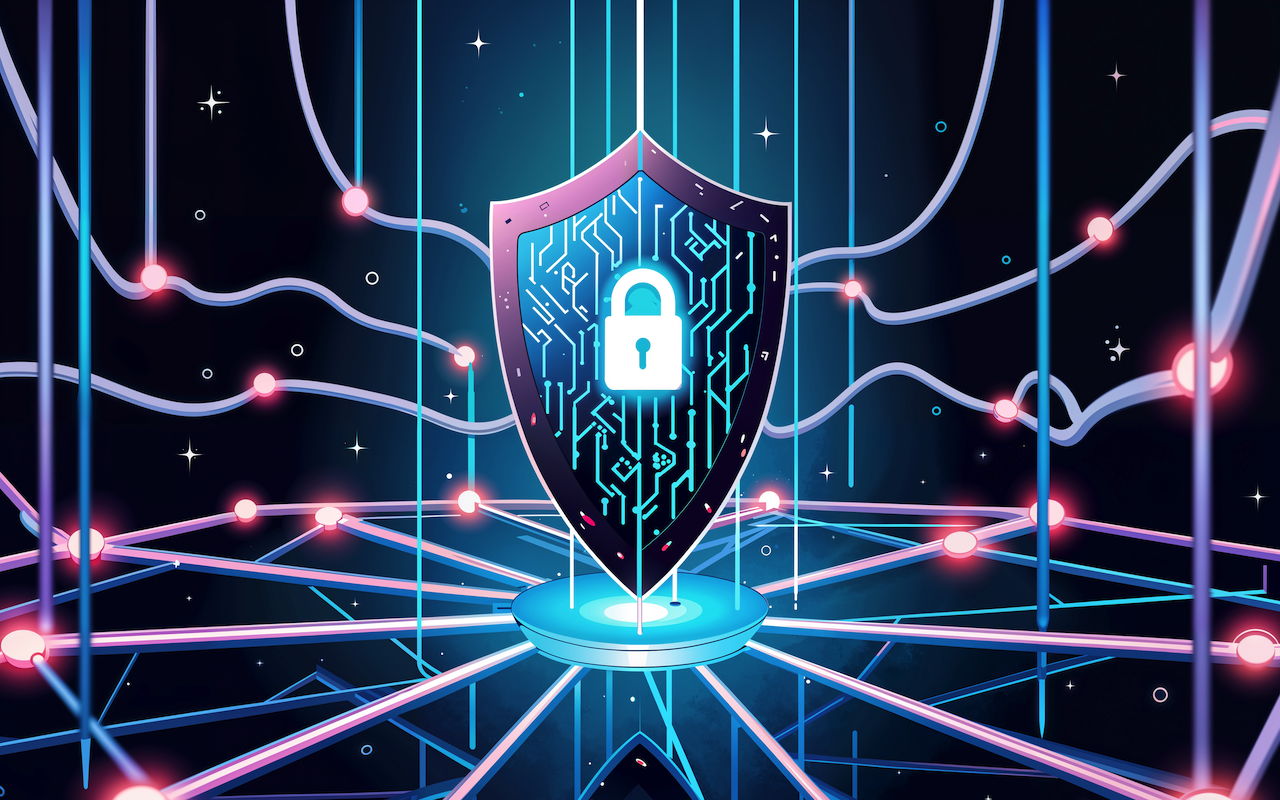
Featured Image by Freepik.
Related Articles
October 21, 2025
Enhancing IT Security Operations with AI Digital Twins
Cyberattacks are becoming more intelligent and quicker each day. IT teams struggle to keep pace, often feeling like they’re patching holes in a sinking ship. If you’ve ever bee...
Read More
September 19, 2025
The Role of IT in Enhancing Network Security
Picture this: your business grinds to a halt because of a cyberattack. Hackers are becoming more sophisticated, and many companies struggle to keep up. As networks expand and t...
Read More
April 15, 2025
Enhancing Digital Defense: Innovative Cybersecurity Practices for Modern Threats
In today's rapidly evolving digital landscape, practicing effective cybersecurity is no longer optional—it's a necessity for both individuals and organizations. With the myriad of...
Read More
Comments
Comments are available to signed-in users and are moderated to keep the discussion useful and respectful. Spam, automated submissions, and low-value promotional comments are removed. Outbound links may be approved when they are relevant and genuinely helpful to readers, but they are displayed as plain text rather than clickable hyperlinks.
No comments have been published yet.
Please sign in to submit a comment.