
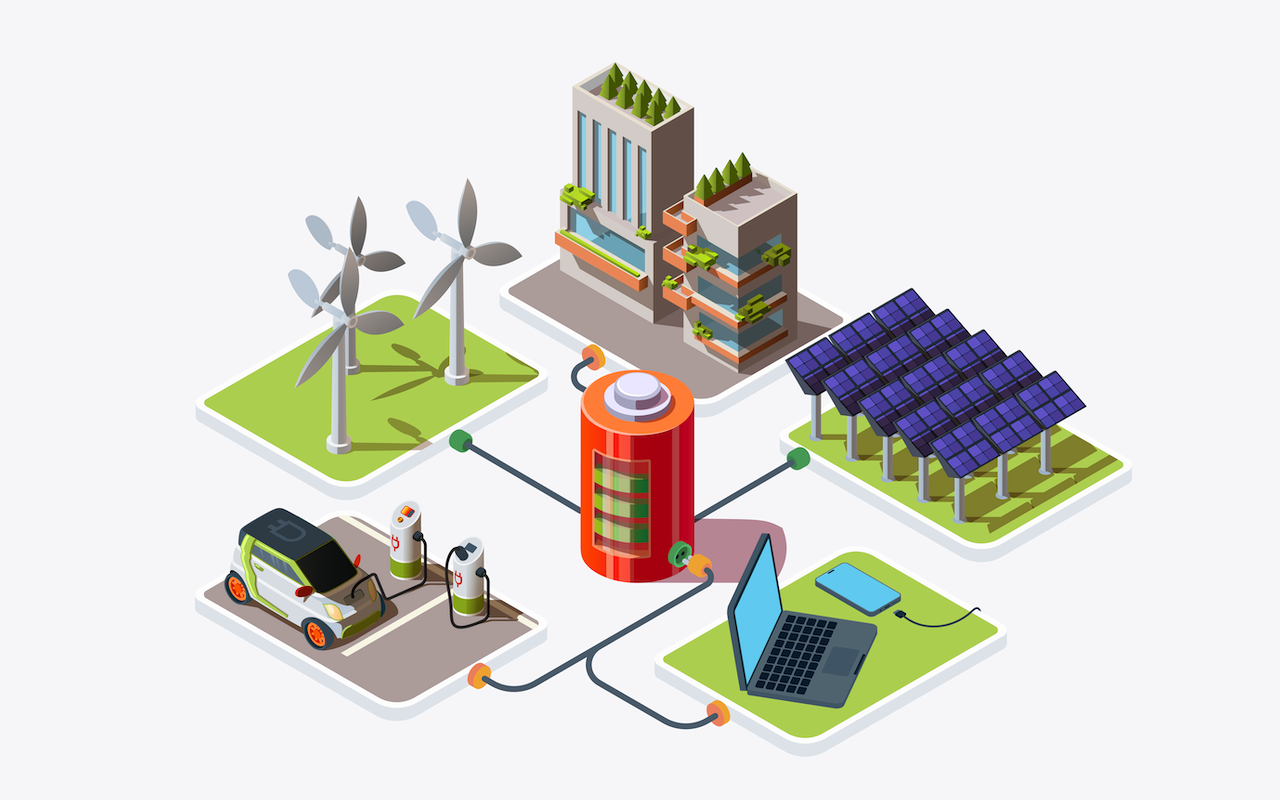
Types of Energy Storage Solutions
Energy storage solutions play a key role in managing and optimizing the use of energy, especially from renewable sources. Here are several important types of energy storage systems.
Battery Energy Storage Systems
Battery Energy Storage Systems (BESS) are versatile and widely used. They store energy in chemical form and then release it as electricity when needed.
Common types include:
- Lithium-ion Batteries: These are popular in homes and businesses due to their high efficiency and compact size.
- Lead-acid Batteries: Often used for backup power, they have a longer history but are less efficient than lithium-ion.
- Flow Batteries: They use liquid electrolytes and are ideal for large-scale storage.
BESS can react quickly to changes in energy demand, making them great for balancing supply and demand.
Thermal Storage Technologies
Thermal storage technologies capture heat for later use, which is particularly useful for cooling and heating applications.
Key methods include:
- Molten Salt Storage: Used in solar power plants, it stores heat at high temperatures and releases it to generate electricity.
- Ice Storage: Creates ice during off-peak hours to provide cooling during peak hours, saving energy costs.
This technology helps to store energy efficiently by shifting energy use to different times of day.
Mechanical Storage Methods
Mechanical storage methods use physical means to store energy. They often have a longer lifespan and are suited for specific applications.
Common types are:
- Flywheels: These devices store energy in the form of rotational motion. They can release energy quickly and are useful for stabilizing power grid fluctuations.
- Compressed Air Energy Storage (CAES): This process uses excess energy to compress air in underground caverns. When needed, the air is released to generate electricity.
Mechanical systems can offer a reliable way to enhance energy security.
Pumped Hydro Storage
Pumped Hydro Storage (PHS) is one of the oldest and most widely used forms of energy storage. It works by moving water between two reservoirs at different elevations.
Here’s how it functions:
- Energy Generation: During times of low demand, excess electricity pumps water to the higher reservoir.
- Energy Release: When demand is high, water is released back down, turning turbines to generate electricity.
PHS is highly efficient and can store large amounts of energy. It's also a time-tested method for balancing energy supply and demand in the grid.
How Energy Storage Solutions Work
Energy storage solutions capture energy for later use, enhancing the stability of power systems. They involve several processes that allow for the efficient storage and retrieval of energy, mainly through charge and discharge cycles, integration with renewable sources, and adaptability for different needs.
Charge and Discharge Cycles
Charge and discharge cycles are central to how energy storage works. During the charging phase, energy is stored when it is abundant, usually from sources like solar panels or wind turbines.
Here’s a simple outline of the process:
- Charging: Energy is drawn from the grid or generated locally.
- Storage: The energy is stored in a medium like batteries, flywheels, or pumped hydro.
- Discharging: When demand increases or renewable sources are low, the stored energy is released back into the grid.
This cycle can happen repeatedly, efficiently managing energy use throughout the day.
Integration With Renewable Energy
Integration with renewable energy is a key feature of storage solutions. Since renewable resources like solar and wind can be unpredictable, energy storage helps smooth out these fluctuations.
Key points to consider include:
- Smoothing Supply: Energy storage can absorb excess energy when production is high and release it when production dips.
- Peak Shaving: This means drawing on stored energy during times of high demand to avoid strain on the grid.
- Grid Stability: By providing energy when needed, storage systems enhance the overall reliability of power supply.
This synergy makes renewable energy more viable and consistent.
Scalability and Flexibility
Scalability and flexibility make energy storage solutions adaptable to various situations. You can choose small systems for homes or larger setups for commercial use.
Important aspects include:
- Customizable Solutions: Different technologies, like batteries or compressed air, fit various needs.
- Local or Grid-Level Storage: You can use energy storage for personal use or integrate it with the regional power grid.
This flexibility allows you to optimize energy usage based on specific requirements, contributing to a more efficient energy strategy.
Leading Technologies and Innovations
Energy storage solutions are evolving rapidly. The focus is on technologies that enhance efficiency, sustainability, and reliability. Let’s explore some of the key innovations shaping this field.
Lithium Iron Phosphate Batteries
Lithium Iron Phosphate (LFP) batteries are gaining popularity due to their safety and longevity. These batteries have a stable chemistry, which means they are less prone to overheating.
- Safety: LFP batteries are less likely to catch fire compared to other lithium-ion options.
- Longevity: They typically have a longer lifespan, lasting up to 2,000 charge cycles or more.
Their capacity to deliver consistent power makes them ideal for applications like electric vehicles and stationary storage. With ongoing advancements, LFP technology is becoming more cost-effective, making energy storage more accessible.
Hybrid Storage Systems
Hybrid storage systems combine different technologies to enhance energy storage capabilities. This can include the use of batteries alongside other forms like supercapacitors or pumped hydro storage.
- Versatility: Combining different systems allows for more flexibility in energy management.
- Efficiency: You can optimize performance by switching between systems based on demand and resource availability.
These systems are particularly effective in renewable energy applications. They can store energy produced during peak generation and release it when needed. This adaptability is crucial for balancing supply and demand in an evolving energy landscape.
Grid-Scale Applications
Grid-scale applications are vital for improving the reliability and efficiency of energy grids. These large installations can store significant amounts of energy and help manage fluctuations in demand.
- Stability: Large-scale storage helps stabilize the grid during peak usage times, reducing the risk of outages.
- Integration of Renewables: They enable better integration of solar and wind energy, storing excess power for later use.
Companies are developing advanced technologies for grid-scale energy storage, such as flow batteries and compressed air systems. This shift moves energy storage from small-scale applications to significant, impactful solutions that benefit entire communities.
Benefits of Energy Storage Solutions
Energy storage solutions offer several key advantages that enhance the reliability, affordability, and sustainability of energy systems. You will see how these benefits can directly impact energy management and support cleaner power sources.
Grid Stability and Reliability
Energy storage systems play a vital role in maintaining grid stability. By storing excess energy generated during low demand periods, they ensure supply meets demand during peak times.
- Demand Response: Storage helps manage spikes in energy use, providing backup power when needed.
- Frequency Regulation: It smooths out fluctuations in the energy supply. This keeps the grid stable and prevents outages.
With reliable energy storage, you can feel confident that power is available even during disruptions or high demand moments. This is essential for both residential and business energy needs.
Energy Cost Savings
Investing in energy storage can lead to significant cost savings for you. By using stored energy during peak pricing times, you can lower your electricity bills.
- Time-of-Use Rates: You can draw from stored energy when prices are highest.
- Reduced Peak Demand Charges: Energy storage helps minimize charges associated with high energy use during peak times.
In the long run, these savings can make energy storage solutions a smart investment. They improve financial efficiency while providing a reliable energy source.
Support for Clean Energy Transition
Energy storage supports the shift from fossil fuels to renewable energy sources. It allows you to harness solar and wind energy more effectively.
- Integration with Renewables: Storage captures excess renewable energy, making it available when the sun isn’t shining or the wind isn’t blowing.
- Lower Carbon Footprint: Using stored renewable energy reduces reliance on fossil fuels, helping you contribute to a cleaner environment.
Your commitment to using energy storage systems can facilitate a smoother transition toward a sustainable energy future, benefiting both you and the planet.
Applications Across Industries
Energy storage solutions are widely used to enhance efficiency, reliability, and sustainability across different sectors. By capturing and storing energy, these systems help manage supply and demand while supporting green initiatives.
Utility-Scale Projects
Utility-scale energy storage systems play a crucial role in stabilizing the power grid. They store excess energy generated during low demand periods and release it during peak usage times.
Benefits:
- Grid Stability: These systems help maintain a consistent power supply.
- Renewable Integration: They enable more renewable energy sources, like solar and wind, to be used effectively.
Systems like battery storage and pumped hydro storage are common in this arena. They improve resilience against outages and reduce reliance on fossil fuels.
Commercial and Industrial Use
In commercial and industrial settings, energy storage systems (C&I ESS) help optimize energy use. These systems can reduce operational costs by storing energy when it’s cheaper, helping businesses save money.
Applications:
- Peak Shaving: Reducing demand charges during peak energy hours.
- EV Charging: Supporting electric vehicle charging stations, making them more efficient.
Additionally, C&I ESS can provide backup power during outages, enhancing operational continuity. This flexibility is vital for businesses striving for greener practices while maintaining profitability.
Residential Deployment
Residential energy storage systems allow homeowners to utilize solar energy more effectively. By storing energy generated during the day, you can use it during the night or on cloudy days.
Advantages:
- Energy Independence: Reduces reliance on the grid.
- Cost Savings: Helps lower electricity bills by using stored energy during peak rates.
These systems, often paired with solar panels, enhance home energy efficiency. Homeowners can also reduce their carbon footprint, contributing to a more sustainable future.
Key Providers and Services
When it comes to energy storage solutions, several key providers stand out in the market. These companies offer a variety of services that can suit different needs.
- Vivint: They focus on residential energy solutions and have quickly gained a reputation in energy storage.
- SK On: This company provides efficient solutions for commercial and industrial energy storage. Their focus is on improving energy reliability.
- Convergent Energy + Power: They coordinate energy storage for grid operators and utility companies. Their services help lower energy prices and improve power quality.
- EVE Energy: A specialist in lithium-ion batteries, EVE supplies solutions for both utility-scale and smaller, distributed applications.
Many of these companies provide Battery Energy Storage Systems (BESS) that allow you to store energy efficiently. This is important for both residential and commercial uses.
Common Services Provided
- Battery Storage: Store excess energy generated from sources like solar.
- Energy Management: Help optimize your energy usage to save costs.
- Project Development: Assist in designing and building renewable energy systems.
Choosing the right provider can make a significant difference in your energy efficiency and overall savings. Assess your needs and explore these providers to find what works best for you.
Conclusion
Energy storage solutions are at the heart of a more resilient, efficient, and sustainable energy future. By enabling us to store electricity when it’s abundant and use it when needed, these technologies address the critical challenge of balancing energy supply and demand, especially with the increasing integration of renewables. From batteries and thermal storage to mechanical systems and pumped hydro, each solution brings unique advantages suited for homes, businesses, and entire grids. As innovations continue to emerge and scale, energy storage is not just a complementary technology; it’s a foundational pillar in the global transition to clean energy. Whether you’re a homeowner, utility operator, or business leader, investing in the right energy storage strategy will be key to meeting tomorrow’s power needs today.
Featured Image by Freepik.
Share this post
Leave a comment
All comments are moderated. Spammy and bot submitted comments are deleted. Please submit the comments that are helpful to others, and we'll approve your comments. A comment that includes outbound link will only be approved if the content is relevant to the topic, and has some value to our readers.
Comments (0)
No comment