
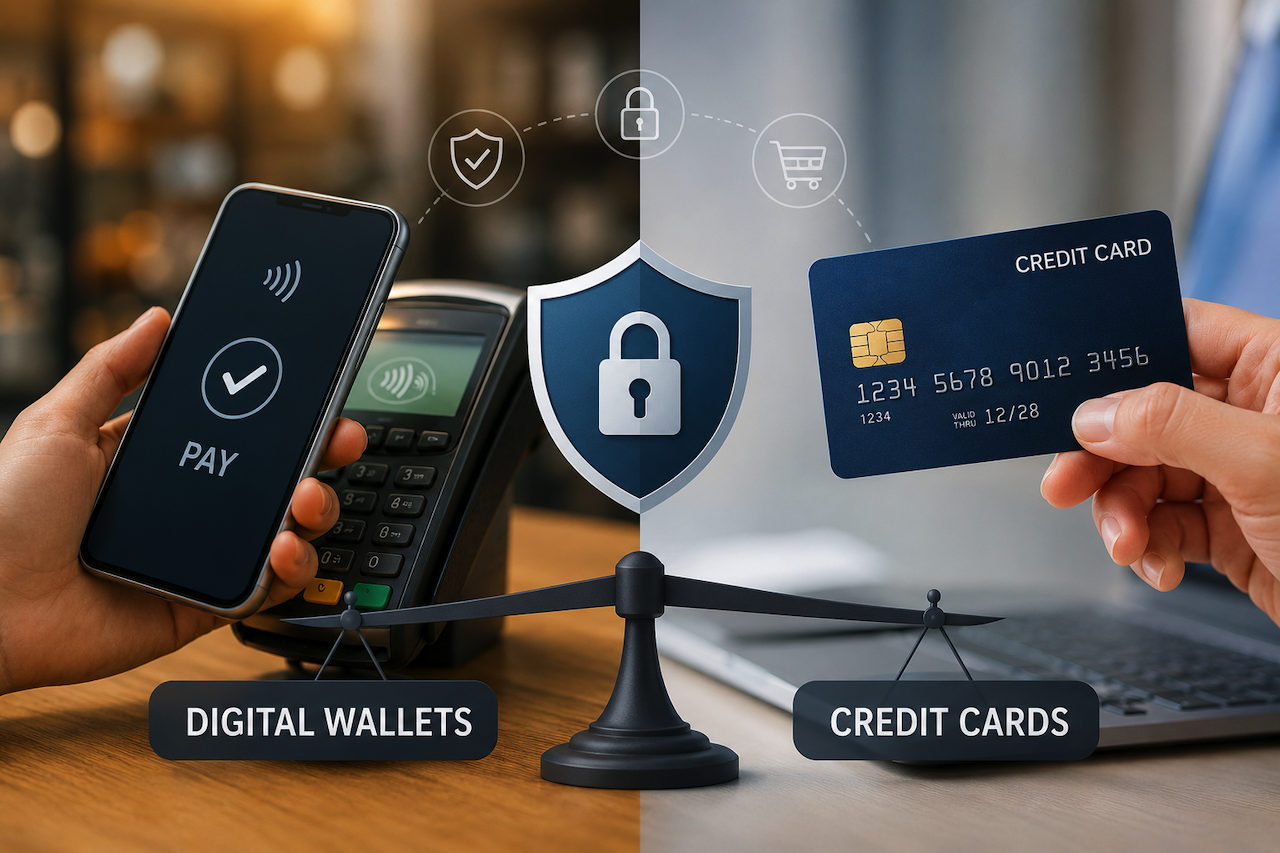
Digital wallets and credit cards have both become everyday payment tools. Whether you are buying groceries, ordering food, shopping online, or paying for a ride, you may have the option to tap your phone, use a saved wallet, or enter your credit card details manually. Both payment methods can be convenient, but they do not protect you in the same way.
So, which is safer for everyday spending? The answer depends on how you define “safe.” Digital wallets can offer stronger protection at checkout by limiting how often your actual card number is shared. Credit cards, on the other hand, often provide strong fraud protection, dispute rights, and purchase benefits. For many people, the safest setup is using a digital wallet linked to a credit card.
What Is a Digital Wallet?
A digital wallet is an app or service that stores your payment information electronically. Common examples include Apple Pay, Google Wallet, Samsung Wallet, PayPal, Cash App, and Venmo. Some digital wallets are used mostly for tap-to-pay purchases in stores, while others are used for online checkout, app purchases, or peer-to-peer payments.
Instead of pulling out a physical card, you can use your phone, smartwatch, tablet, or computer to complete a transaction. In many cases, the wallet requires you to unlock your device or approve the payment using Face ID, Touch ID, or a passcode. This extra step can make digital wallets harder for thieves to use than a physical card.
What Is a Credit Card?
A credit card is a revolving line of credit issued by a bank, credit union, or financial institution. When you use a credit card, the issuer pays the merchant, and you repay the issuer later. You can pay your balance in full each month or carry a balance, though carrying a balance usually means paying interest.
Credit cards are widely accepted and often come with useful protections. Many issuers offer fraud monitoring, transaction alerts, zero-liability policies, dispute options, chargebacks, rewards, and purchase benefits. These features can make credit cards safer than debit cards, especially for online shopping, travel bookings, and larger purchases.
However, credit cards also carry a financial risk: interest. If you do not pay your full balance by the due date, everyday purchases can become much more expensive.
How Digital Wallets Protect Your Payment Information
One of the biggest advantages of digital wallets is that they can reduce exposure to your actual card number. Many digital wallets use a security process called tokenization. Instead of sending your real credit card number to the merchant, the wallet creates a unique digital token for the transaction.
This matters because merchants, payment terminals, and websites can be targets for data breaches. If your real card number is not shared during checkout, there is less sensitive information for criminals to steal. A stolen token is generally less useful than a full card number.
Digital wallets also add device-level security. A thief who steals your phone may still need your passcode, fingerprint, or face authentication to make a payment. You may also be able to lock or erase the device remotely. By comparison, a physical credit card can sometimes be used immediately if it is lost or stolen, especially for small contactless purchases.
How Credit Cards Protect Consumers
Credit cards are still one of the safer ways to pay, particularly when compared with debit cards. If a debit card is compromised, money may be withdrawn directly from your checking account. With a credit card, fraudulent charges usually affect your credit line first, giving you time to dispute the transaction before paying.
Many card issuers monitor accounts for suspicious activity. If a charge appears unusual, such as a purchase from a different country or a sudden large transaction, the issuer may send an alert or temporarily block the card. Some credit cards also let you freeze your card instantly via an app.
Credit cards can also be valuable when something goes wrong with a purchase. If an item never arrives, a merchant refuses a valid refund, or a charge is incorrect, you may be able to dispute the transaction. This can be especially helpful for travel reservations, online shopping, subscriptions, and larger purchases.
Which Is Safer for Everyday Purchases?
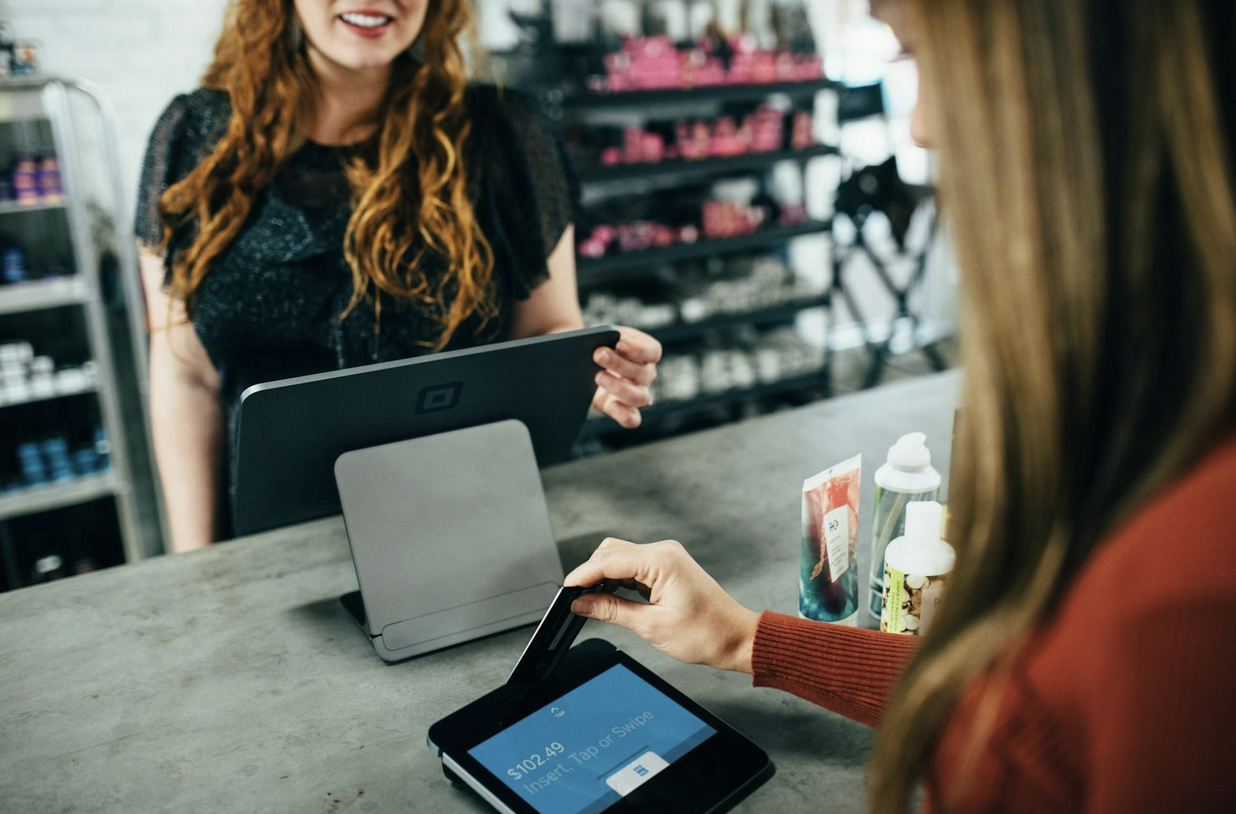
For in-store purchases, digital wallets often have the edge. When you tap your phone or smartwatch, you usually avoid handing over your card, swiping a magnetic stripe, or inserting a card into a terminal that could be compromised. This can reduce the risk of card skimming and card number theft.
For online shopping, digital wallets can also be safer because they let you check out without entering your card number on a website. This is useful when buying from merchants you do not use often. The fewer places that store your card details, the lower your exposure if one of those sites suffers a breach.
Credit cards, however, may be safer when you need stronger purchase protection. For example, using a credit card for flights, hotels, rental cars, electronics, or expensive household items can give you additional rights and benefits. If the purchase leads to a dispute, your credit card issuer may be able to help.
The best everyday option is often a combination of both: use a digital wallet linked to a credit card. This gives you the checkout security of a wallet and the consumer protections of a credit card.
The Budget Safety Question: Convenience Can Lead to Overspending
Payment safety is not only about fraud. It is also about protecting your budget. Digital wallets and credit cards can both make spending fast and convenient, but that convenience can lead to overspending if you are not tracking your balance. A quick tap or one-click checkout can feel less noticeable than handing over cash.
Credit cards add another layer of risk because they allow you to spend borrowed money. If you pay your balance in full every month, a credit card can be a secure and useful tool. But if you regularly carry a balance, interest charges can make everyday purchases cost much more over time.
If you regularly carry a credit card balance, using a credit card APR calculator can help you estimate how much interest you may pay over time. It can also show whether paying more than the minimum or consolidating high-interest debt could save money. This is important because a payment method is only truly safe if it protects both your data and your long-term financial health.
Common Risks to Watch Out For
Digital wallets and credit cards each have risks. With digital wallets, a lost or stolen phone can become a problem if the device is not protected with a strong passcode. Phishing messages may also impersonate wallet providers, banks, or payment apps. Some scams try to trick users into sending money via peer-to-peer payment platforms, where refunds can be difficult to obtain.
Credit cards face risks such as card skimming, stolen card numbers, fake checkout pages, and unauthorized online purchases. Public Wi-Fi can also pose risks if you enter payment information on unsecured websites. In addition, carrying a credit card balance can lead to costly interest charges.
Both payment methods require active monitoring. Turning on alerts, reviewing transactions, and acting quickly when something looks suspicious can prevent small problems from becoming bigger ones.
How to Make Digital Wallets and Credit Cards Safer
To make digital wallets safer, use a strong phone passcode and enable biometric authentication. Keep your device and payment apps up to date, and turn on remote lock or remote wipe features. Avoid adding payment cards to shared devices, and use wallet checkout whenever possible instead of typing your card number.
To make credit cards safer, turn on transaction alerts, review your statements regularly, and freeze your card immediately if it is lost or stolen. Use virtual card numbers when your issuer offers them, especially for online shopping. Avoid saving your card details on unfamiliar websites, and be careful with links in emails or text messages that claim to be from your bank.
Most importantly, pay your credit card balance in full whenever possible. Fraud protection can help safeguard your account, but avoiding interest helps protect your budget.
Final Verdict
Digital wallets may be safer at checkout because they reduce exposure of card numbers, use tokenization, and often require device authentication. Credit cards may be safer from a consumer-protection standpoint because they offer fraud monitoring, dispute rights, chargebacks, and purchase benefits.
For everyday spending, the safest choice is often a digital wallet linked to a credit card. This setup combines the privacy and security benefits of digital wallet technology with the financial protections of a credit card. Still, no payment method is completely risk-free. The best protection comes from using secure devices, monitoring transactions, avoiding suspicious websites, and paying off balances before interest accrues.
Disclaimer
This article is provided for informational and educational purposes only and should not be considered financial, legal, cybersecurity, or professional advice. Payment security features, fraud protections, and consumer rights may vary depending on the financial institution, payment provider, device, region, and individual circumstances. Readers should independently verify information and consult qualified professionals before making financial or security-related decisions.
Any third-party services, tools, or websites mentioned in this article are provided as examples only and do not constitute endorsement or recommendation by IPLocation.net. IPLocation.net is not liable for any financial losses, security incidents, inaccuracies, service interruptions, or damages resulting from the use of any payment platform, digital wallet, credit card provider, external website, or third-party service referenced in this article.
Featured Image generated by ChatGPT.
Share this post
Leave a comment
All comments are moderated. Spammy and bot submitted comments are deleted. Please submit the comments that are helpful to others, and we'll approve your comments. A comment that includes outbound link will only be approved if the content is relevant to the topic, and has some value to our readers.
Comments (0)
No comment