
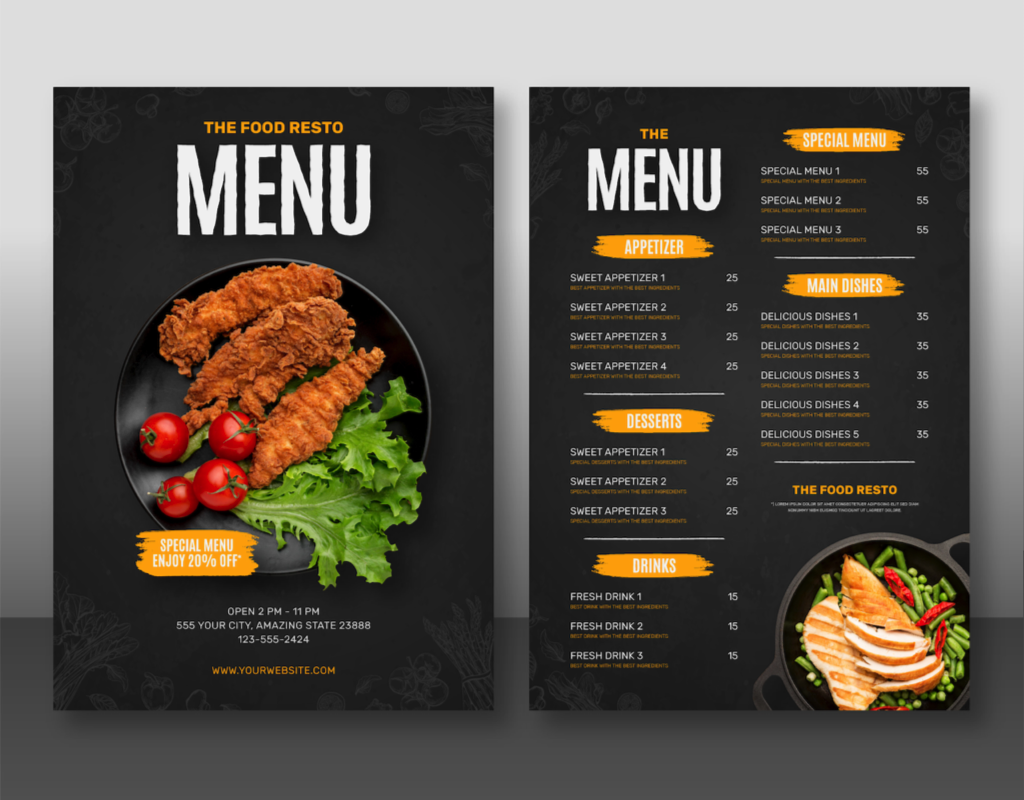
In today’s fast-paced, image-driven world, first impressions can make or break a business, especially in the food and beverage industry. Restaurants, cafés, and even convenience stores are recognizing the power of digital menu boards not just as flashy displays, but as powerful tools that boost revenue, improve customer experience, and streamline operations. This isn’t just about ditching the chalkboard or printed menu—it’s about tapping into a smarter, data-driven way of doing business.
Let’s dive into how digital menu boards have evolved from nice-to-have tech into a cornerstone of modern hospitality, exploring their financial impact, customer psychology, implementation strategies, real-world case studies, and what the future holds.
From Paper to Pixels: Why Digital Menu Boards Are the New Standard
For decades, menus have served a single function: listing what's available. But static menus come with limitations—frequent reprints, inflexible layout, slow updates, and an inability to adapt to audience preferences in real-time.
Digital menu boards, on the other hand, do more than just display food items. They bring menus to life with animations, high-resolution images, real-time updates, and even interactive features. Whether mounted behind a counter, embedded in drive-thrus, or placed in freestanding kiosks, these boards deliver clarity, excitement, and control like never before.
Beyond aesthetics, the switch to digital provides immediate operational advantages:
- No more last-minute reprints when prices change
- Easy scheduling of breakfast/lunch/dinner menus
- Automatic updates for limited-time offers or sold-out items
- The ability to test promotions in specific locations with measurable results
In other words, it turns a once-static component into a dynamic business asset.
The Psychology of Choice: How Digital Menus Influence Buying Behavior
Humans are visual creatures, and digital menu boards play into that strength. When customers are greeted with vibrant imagery, clear typography, and intelligent design, their decision-making becomes faster and more profitable for the business.
Digital menus are proven to:
- Increase perceived value of meals through high-quality visuals
- Reduce decision fatigue by organizing content strategically
- Drive upsells with dynamic “Most Popular,” “New,” or “Combo” callouts
- Encourage impulse buys via limited-time offers or animated promotions
These boards can also adapt based on time of day, weather, or special events. Showing hot coffee on a rainy morning or iced drinks on a summer afternoon isn’t just clever—it directly boosts conversions.
Real-World Wins: How Restaurants Are Seeing Results
Let’s explore how different sectors of the food industry are using digital menu boards to generate measurable results.
Quick Service Restaurants (QSRs)
For high-volume environments, speed and clarity are critical. Fast-food chains that integrate digital menus at both indoor counters and drive-thru lanes report increased order accuracy, shorter wait times, and higher average ticket sizes. In some cases, promotional items featuring dynamic content led to a double-digit sales increase.
Casual Dining & Cafés
Smaller eateries are also seeing big gains. Independent cafés, juice bars, and bakeries are using digital boards to promote seasonal items, loyalty programs, and bundle deals. Customers enjoy a fresher, more modern brand experience, while staff spend less time explaining or correcting menu info.
Food Courts & Franchises
Multi-location brands benefit from centralized content control. A franchisor can push promotions across dozens of screens nationwide, then monitor engagement or sales performance by region. It’s an efficient way to keep branding tight while maintaining flexibility.
Choosing the Right System: What to Look For
With so many options on the market, choosing the right digital menu board solution requires more than just picking a screen.
Here’s what business owners should consider:
1. Hardware
Screens vary in size, brightness, resolution, and weather resistance. For indoor displays, clarity and aesthetic integration are key. For outdoor or drive-thru settings, durability and brightness become critical.
2. Content Management System (CMS)
The CMS is the brain of your digital menu system. Look for a platform that allows:
- Remote content updates
- Menu scheduling
- Dayparting (changing menus based on time)
- Multi-location control
- Drag-and-drop editing
3. POS & Data Integration
The most powerful digital boards integrate with your point-of-sale system. This allows real-time updates when an item runs out, tracks best-sellers, and automates promotions based on inventory or demand.
4. Design & Branding Tools
Look for platforms that support branded templates, custom animations, and third-party integrations with loyalty apps, social feeds, or mobile ordering.
The Financial Case: ROI and Long-Term Value
Investing in digital menu boards is not a cost—it's a strategy. Businesses typically see a return on investment within 12 to 18 months, thanks to a combination of:
- Increased average order value
- Lower print and labor costs
- Faster order processing
- Fewer errors and returns
- Greater promotional impact
Unlike paper menus, digital boards evolve with your business. Want to test a new upsell strategy or time-based discount? A few clicks can make it live in every store within minutes.
Strategy First: How to Implement Digital Menu Boards Effectively
If you’re considering going digital, here’s a step-by-step approach to do it right:
- Start with Objectives: What’s your primary goal—upsells, speed, branding, menu clarity?
- Choose Scalable Tech: Invest in systems that will grow with you. Cloud-based platforms are ideal for multi-location brands.
- Design for Impact: Use strategic content placement, strong visuals, and clear calls to action. Work with a designer if needed—bad visuals will hurt more than help.
- Train Your Team: Make sure staff know how to use the system and understand its value. When your team is excited, your customers will be too.
- Measure & Optimize: Track sales data before and after your rollout. A/B test promotions. Use the analytics in your CMS to continuously improve performance.
Conclusion: From Display to Growth Engine
Digital menu boards are not just a tech trend—they’re a strategic tool for modern businesses. Whether you're running a single café or a global restaurant chain, the ability to communicate with customers clearly, visually, and dynamically is no longer optional. It’s expected.
By combining design, data, and innovation, digital menu boards help businesses:
- Sell more effectively
- Engage customers more deeply
- Adapt to change faster
- Reduce costs and errors
- Future-proof operations
The restaurants embracing this transformation are the ones that will thrive in the years to come. So if you’re still asking whether it’s worth upgrading—remember, it’s not just about what’s on the screen. It’s about everything that happens behind it.
Featured Image. by
Share this post
Leave a comment
All comments are moderated. Spammy and bot submitted comments are deleted. Please submit the comments that are helpful to others, and we'll approve your comments. A comment that includes outbound link will only be approved if the content is relevant to the topic, and has some value to our readers.
Comments (0)
No comment