
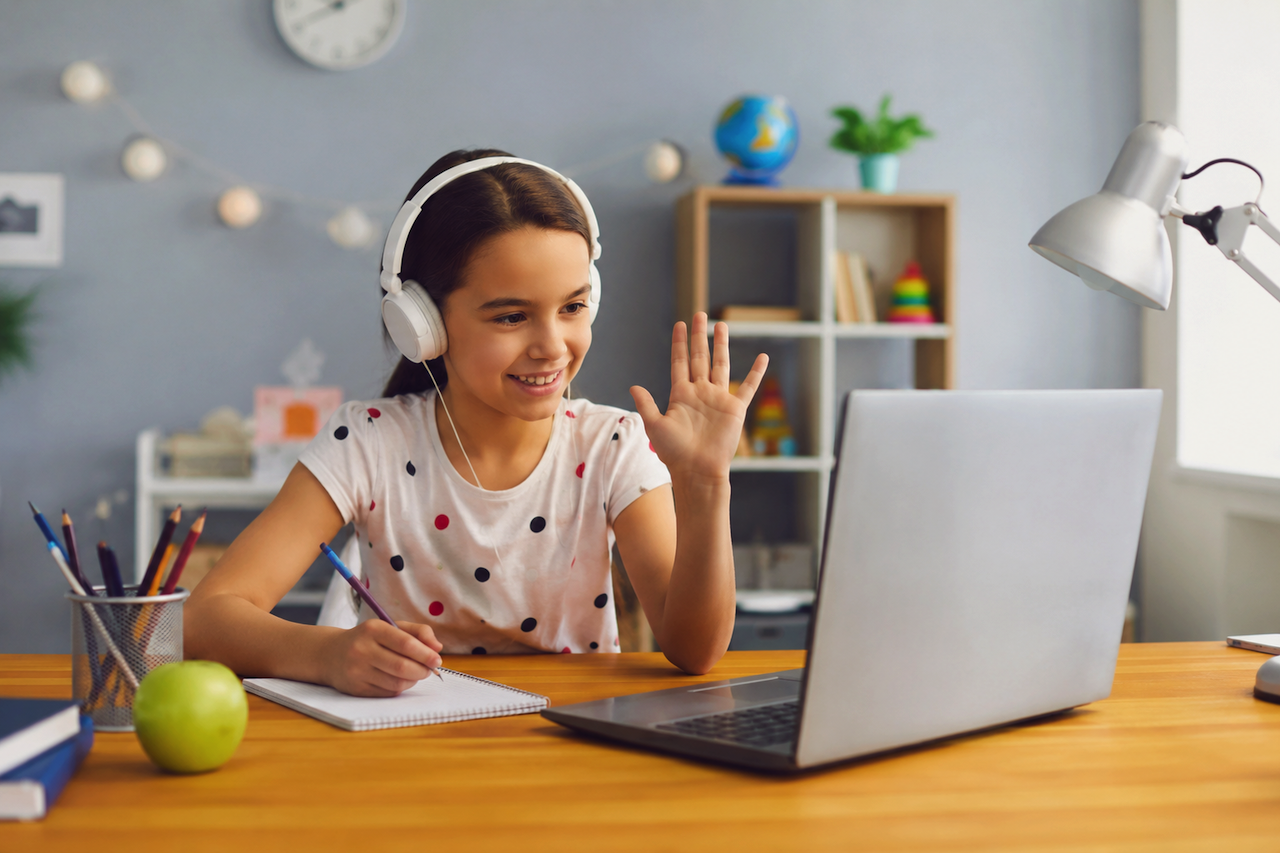
Communication skills influence nearly every part of daily life, from classroom participation and workplace confidence to social interaction and long-term academic development. As digital learning continues to evolve, more students, parents, educators, and professionals are turning to flexible tools that make communication practice more accessible outside traditional learning environments. Technology is increasingly helping people practice speaking, listening, pronunciation, and social interaction skills in ways that feel more interactive and less intimidating.
One reason digital communication tools continue to grow in popularity is that they allow people to learn at their own pace. Traditional learning environments may sometimes feel rushed or stressful, especially for individuals building confidence with speech, language, or interpersonal communication. Flexible digital resources often create more comfortable opportunities for consistent practice and gradual improvement over time.
Interactive Learning Makes Practice Feel Less Stressful
Many people learn communication skills more effectively when practice feels engaging rather than overly formal. Interactive digital tools help reduce pressure by turning repetition and skill-building into more manageable activities. Videos, guided exercises, digital flashcards, and communication-based learning platforms all help make practice feel more approachable for both children and adults.
Digital tools are especially valuable because they allow learners to revisit lessons repeatedly without feeling embarrassed or rushed. Repetition often plays an important role in speech and communication development, and online resources make it easier for learners to practice consistently at home or during free time throughout the week.
Flexible Digital Platforms Support Everyday Communication

Image by Unsplash.
Modern communication tools are increasingly designed around convenience and accessibility. Many individuals now prefer learning systems that work across phones, tablets, and laptops so that communication practice can fit naturally into everyday routines. This flexibility helps people practice more consistently without needing highly structured schedules.
Platforms such as Linq reflect how digital tools are becoming integrated into modern communication and connection habits overall. Technology now supports everything from networking and interaction to educational skill-building, making communication practice feel more connected to real-world use than isolated learning exercises.
Specialized Speech Resources Continue Expanding
Speech-focused educational resources have also become more personalized and accessible online. Parents, educators, and speech professionals increasingly use targeted materials designed around specific sounds, speech patterns, and developmental needs. Digital access allows learners to practice more regularly outside formal sessions, which often supports stronger long-term progress.
Resources related to R sound phonics are commonly used by individuals seeking structured speech-practice materials focused on pronunciation and communication development. Targeted learning tools often help learners build confidence gradually by breaking communication skills into smaller, more manageable exercises that are easier to repeat consistently.
Communication Confidence Often Improves Through Repetition

Image by Unsplash.
One reason communication skills can feel difficult to improve is that confidence usually develops slowly through repeated practice rather than instant results. Many learners become discouraged when they expect rapid improvement, especially in areas involving speech clarity, pronunciation, or social interaction. Digital tools help address this issue by making repetition easier and more accessible.
Consistent low-pressure practice often helps communication feel more natural over time. Whether someone is practicing speech sounds, presentation skills, reading aloud, or conversational confidence, smaller repeated exercises usually produce more sustainable long-term improvement than occasional intense practice sessions.
Home Learning Environments Influence Progress
Communication practice is often more effective when learners feel comfortable and supported in their environment. Calm learning spaces with fewer distractions generally make it easier to focus, repeat exercises, and gradually build confidence. This is one reason many families now create more intentional home learning routines alongside digital educational tools.
Structured practice sessions, quieter environments, and positive reinforcement all help communication learning feel less stressful. Learners tend to improve more consistently when they feel comfortable making mistakes and repeating exercises without pressure or embarrassment.
Technology Is Helping Learning Feel More Personalized
One major advantage of digital learning tools is personalization. Many platforms now allow learners to move at different speeds, focus on specific areas, and repeat content based on individual needs, rather than following a single rigid pace for everyone. Personalized learning often improves engagement because people spend more time practicing areas directly relevant to them.
According to the Harvard Graduate School of Education, personalized learning approaches may help support stronger engagement and more flexible educational experiences. Digital communication tools continue to evolve, in part because they give learners more control over how and when they practice important communication skills.
Communication Skills Continue to Matter Across Everyday Life
Strong communication affects far more than just school performance. Clear speaking, listening, reading, and interpersonal interaction skills influence confidence in social situations, workplace environments, and personal relationships throughout life. This is why communication-focused learning tools continue attracting attention from both educators and families.
The most effective communication practice routines are usually the ones people can maintain consistently without feeling overwhelmed. Flexible digital tools, targeted learning resources, and supportive home routines all help make communication development feel more approachable and sustainable over time.
Featured Image generated by ChatGPT.
Share this post
Leave a comment
All comments are moderated. Spammy and bot submitted comments are deleted. Please submit the comments that are helpful to others, and we'll approve your comments. A comment that includes outbound link will only be approved if the content is relevant to the topic, and has some value to our readers.
Comments (0)
No comment