
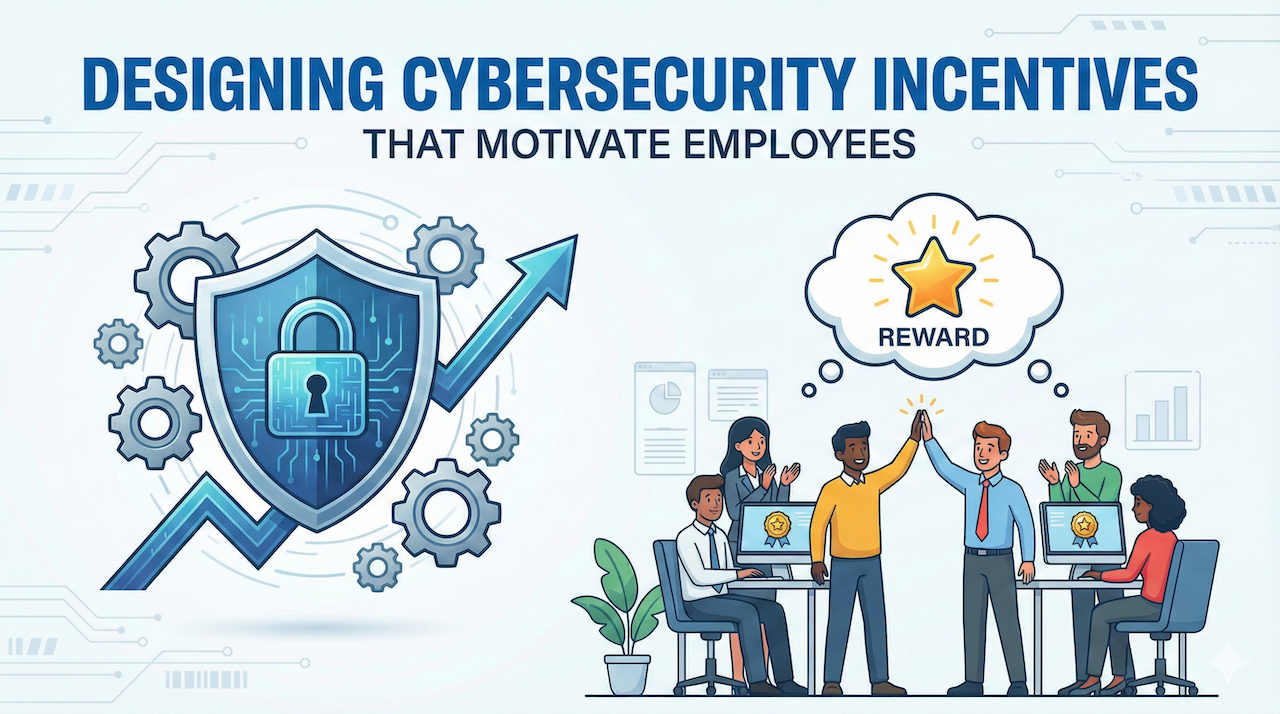
Phishing attacks are becoming more sophisticated in 2026, making fast, accurate employee reporting more critical than ever. A well-designed reward program can turn everyday staff into your strongest security allies. Recognizing timely, high-quality reports encourages a culture in which employees stay alert and confident. Thoughtful incentives and fair scoring help reporting feel positive and worthwhile. This article breaks down practical ways to build a program that motivates teams and strengthens your organization’s overall defense.
Why Recognition Matters in 2026
Phishing attacks are getting smarter every year, but employees who report suspicious messages remain one of the strongest defenses. When people know their efforts are seen and appreciated, reporting becomes a habit rather than a chore. A good reward system reinforces that security is everyone’s responsibility, not just an IT task, helping teams stay consistently alert and engaged.
Building a Fair and Motivating Program
Start with clear KPIs so employees understand what “good reporting” looks like. These might include accuracy when flagging real phishing attempts, participation in training simulations, or quick response times. Keep expectations simple to avoid confusing or discouraging people.
What to Include in Your Incentive Structure
A mix of fun, meaningful, and practical rewards usually works best. Aim for options that appeal to different personalities so everyone feels included.
- Tiered badges for consistent reporting
- Monthly recognition for standout reporters
- Small perks like flexible break time or internal shoutouts
Image by Unsplash.
When offering physical rewards, choose items that last and feel personal. This is a great place to add an acrylic award embedment, especially for top performers or milestone achievements. A durable award on a desk quietly reinforces the behavior every day without adding pressure.
Ensuring Fairness, Quality, and Legal Alignment
A reward program only works if employees trust the scoring. Standardize how reports are evaluated so people know the system is fair. Automated tools can help filter obvious false positives, but adding a quick human review keeps quality high and ensures rewards go to genuinely helpful reports.
HR and Compliance Considerations
Before launching your program, loop in HR and legal teams. They can help define what counts as fair recognition and ensure the process avoids privacy issues. It is important that reporting never feels punitive or risky. Employees should always feel safe to flag a message, even if it turns out to be harmless.
Keep the Momentum Going
Once the program is live, keep it active. Share monthly wins, spotlight employees who helped catch tricky attempts, and remind teams how their efforts strengthen the entire organization. Adding brief success stories can make the impact feel even more real. Recognition doesn’t need to be loud to be effective. A steady rhythm of appreciation builds habits that last and keeps phishing awareness fresh throughout the year, reinforcing consistent engagement.
Parting Shot
Building a strong phishing-reporting culture doesn’t happen overnight, but consistent recognition helps the habit stick. When employees see their efforts matter, security becomes a shared win rather than a checklist item. Keep rewards simple, fair, and memorable, and your team will stay motivated long term. When recognition becomes part of the rhythm of work, it strengthens trust and helps everyone stay sharper against evolving threats.
Featured Image generated by Google Gemini.
Share this post
Leave a comment
All comments are moderated. Spammy and bot submitted comments are deleted. Please submit the comments that are helpful to others, and we'll approve your comments. A comment that includes outbound link will only be approved if the content is relevant to the topic, and has some value to our readers.
Comments (0)
No comment