
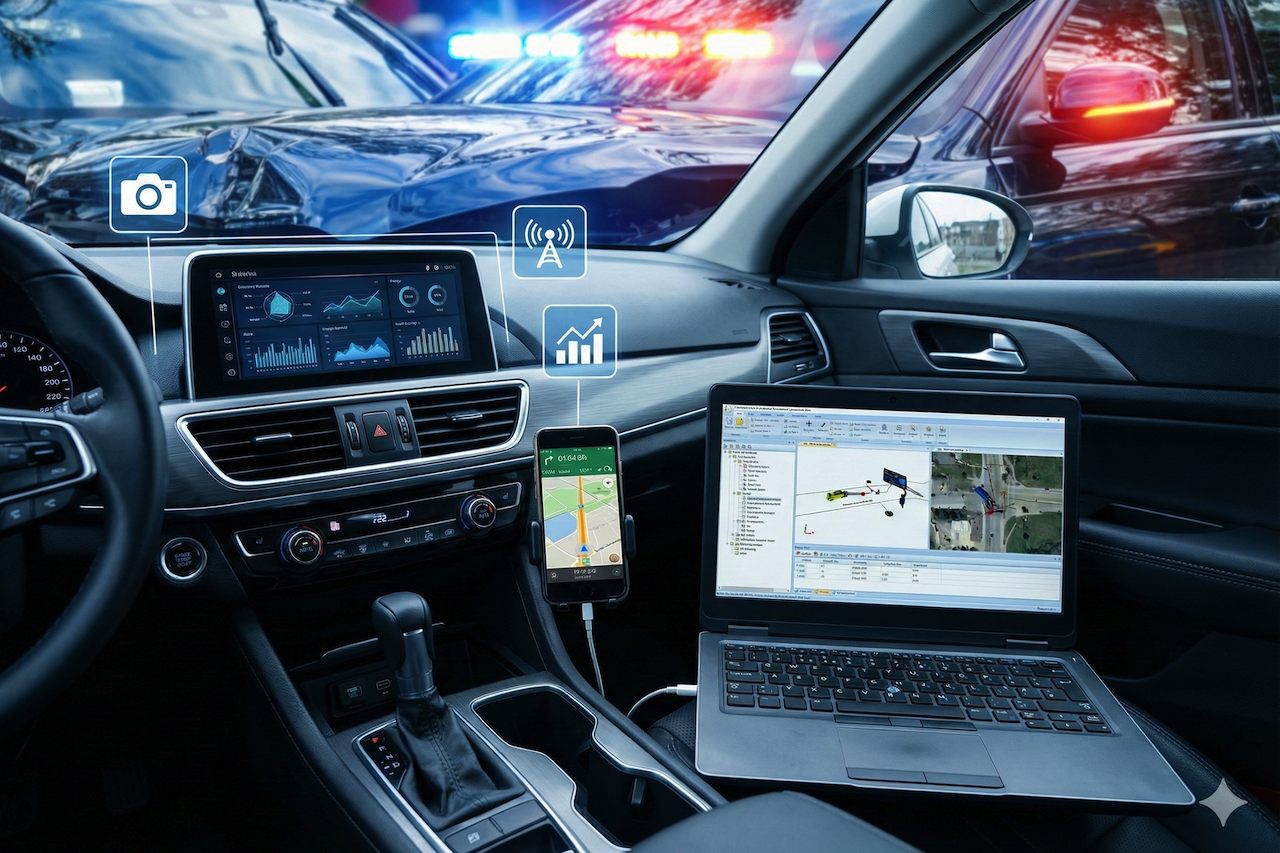
After a vehicle collision, one of the most important questions is how fault is established and how injuries and losses are proven. Increasingly, digital records—such as dash cam footage, GPS data, and electronic vehicle logs—play a central role in answering those questions.
Understanding how digital evidence fits into a crash claim can help individuals navigate insurance discussions or legal proceedings more effectively. While laws vary by jurisdiction, the underlying principles of fault, damages, and evidence are broadly consistent. In more complex cases, people may choose to consult a local personal injury attorney to better understand how these principles apply to their situation.
Key Elements of Vehicle Crash Claims
Most crash claims revolve around several core components: determining responsibility, linking injuries to losses, evaluating official and witness records, and applying applicable traffic laws.
Proving Fault and Comparative Responsibility
Establishing fault typically requires evidence showing how each party’s actions contributed to the collision. Digital materials—such as dash cam footage, traffic camera recordings, and vehicle event data—can help illustrate vehicle speed, lane position, braking, or signaling before impact.
These records are often reviewed alongside physical evidence, driver statements, and official crash reports. In many jurisdictions, comparative responsibility rules apply, meaning compensation may be reduced if a party is found partially at fault.
Because of this, preserving photos, videos, and electronic data as early as possible is important. Digital records can help clarify disputed details and reduce reliance on conflicting recollections.
Establishing Damages and Injury Causation
Beyond fault, an injury claim must show that the collision caused identifiable injuries and financial losses. Medical records, diagnostic imaging, and treatment notes are central to linking injuries to the crash.
Economic damages, such as medical expenses or lost income, are typically supported by documentation like invoices, employment records, or tax filings. Non-economic impacts, including pain or reduced quality of life, may be supported by treatment histories, photographs, and personal testimony.
A clear timeline connecting the collision, medical care, and resulting limitations helps demonstrate how losses developed over time.
Role of Official Reports and Witness Accounts
Police or incident reports often provide an initial, neutral summary of a collision, including observations, citations, and diagrams. While not always determinative, these reports carry weight with insurers and courts.
Independent witness statements can further strengthen a claim, particularly when they address disputed issues such as traffic signals, right-of-way, or driver behavior. Collecting witness information promptly helps preserve accuracy as memories fade.
When combined with digital evidence, reports and witness accounts can form a more complete and consistent narrative of events.
Traffic Laws and Negligence
Traffic regulations define expected conduct, such as speed limits, signaling, and yielding rules. Evidence showing a violation—through citations, video, or vehicle data—may support a finding of negligence.
In some cases, roadway conditions or infrastructure issues may also be relevant, though claims involving public entities often involve additional procedural requirements.
Aligning the facts of a collision with applicable traffic rules helps clarify how and why the incident occurred.
How Digital Evidence Supports Fault and Damages
Digital records can provide objective, time-stamped information that reduces uncertainty and disputes.
Dash Cam and Surveillance Footage
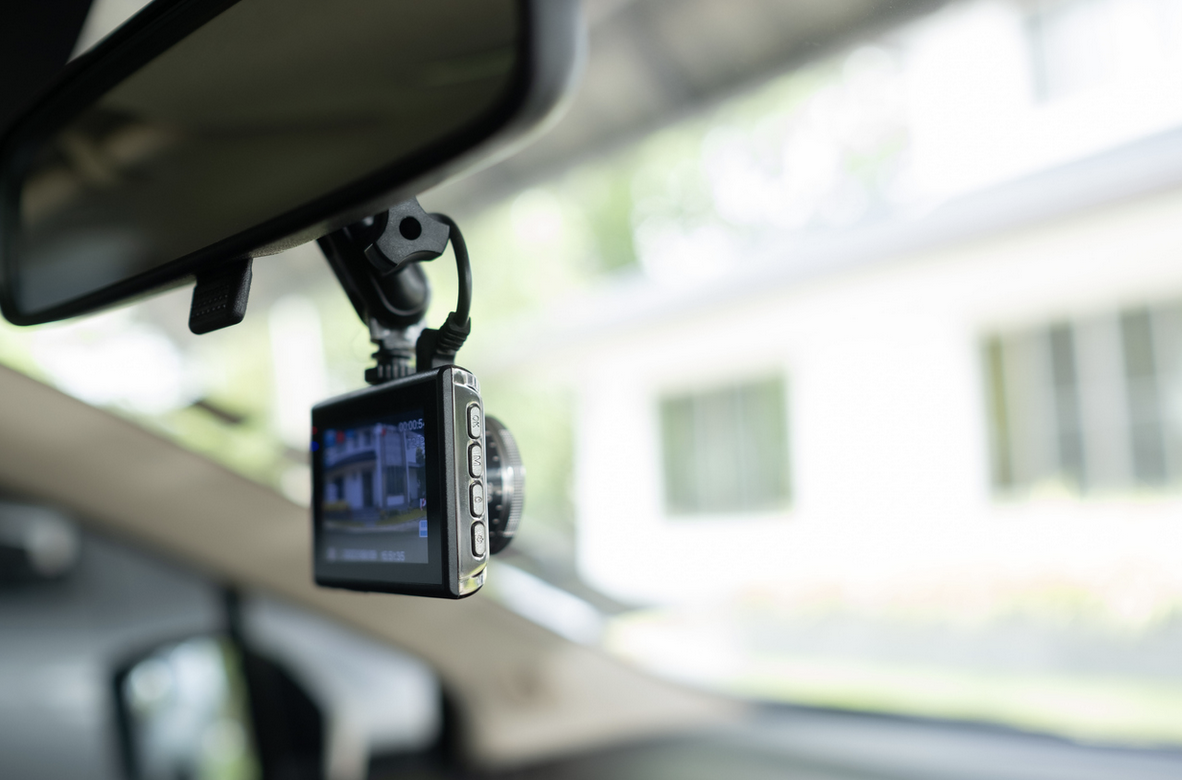
Dash cams and nearby security cameras may capture vehicle movements, traffic conditions, and the moment of impact. When available, original files with intact metadata are particularly valuable, as they reduce challenges to authenticity.
Preserving original recordings, creating secure backups, and documenting when and how files were obtained can help maintain their evidentiary value.
Event Data Recorder (EDR) Information
Many vehicles store pre-crash data—such as speed, braking, and airbag deployment—in event data recorders. This information can help reconstruct collision dynamics and support injury severity assessments.
Accessing EDR data often requires specialized tools and timely requests, as data may be overwritten or lost if not preserved properly.
Preservation and Authentication
Digital evidence is most effective when properly preserved. This includes preventing overwrites, maintaining copies, and keeping a record of access and handling. Metadata and file integrity checks are commonly used to demonstrate authenticity.
When supported by corroborating evidence, such as witness statements or physical scene documentation, digital records are more likely to be accepted and relied upon.
Accident Reconstruction and Physical Evidence
Digital data does not replace physical evidence. Skid marks, vehicle damage patterns, and final resting positions remain critical to understanding how a collision occurred.
Reconstruction professionals often combine scene measurements, vehicle telemetry, and video evidence to develop a consistent timeline that links collision forces to reported injuries. When physical and digital evidence align, claims related to fault and damages tend to be stronger.
Conclusion
Digital evidence has become an important component of modern crash claims, helping clarify responsibility and substantiate losses. Dash cam footage, vehicle data, and electronic records can provide objective insight when combined with physical evidence, official reports, and witness accounts.
While legal standards vary by jurisdiction, careful collection, preservation, and contextual use of digital records can significantly influence how fault and damages are evaluated. Understanding the role of this evidence helps individuals make more informed decisions when addressing insurance claims or legal disputes.
Disclaimer
This article is provided for general informational purposes only and does not constitute legal advice. Laws, regulations, and legal standards vary by jurisdiction, and the application of digital evidence may differ depending on the specific facts of a case.
Nothing in this article should be relied upon as a substitute for advice from a qualified legal professional. Individuals involved in a vehicle collision or injury claim should consider consulting a licensed attorney to obtain guidance tailored to their particular circumstances.
Featured Image generated by Google Gemini.
Share this post
Leave a comment
All comments are moderated. Spammy and bot submitted comments are deleted. Please submit the comments that are helpful to others, and we'll approve your comments. A comment that includes outbound link will only be approved if the content is relevant to the topic, and has some value to our readers.
Comments (0)
No comment