Imagine a small bakery, "Sweet Delights," struggling to attract customers. After focusing on getting more Google reviews, their online visibility soared. More people discovered their delicious treats, and business boomed.
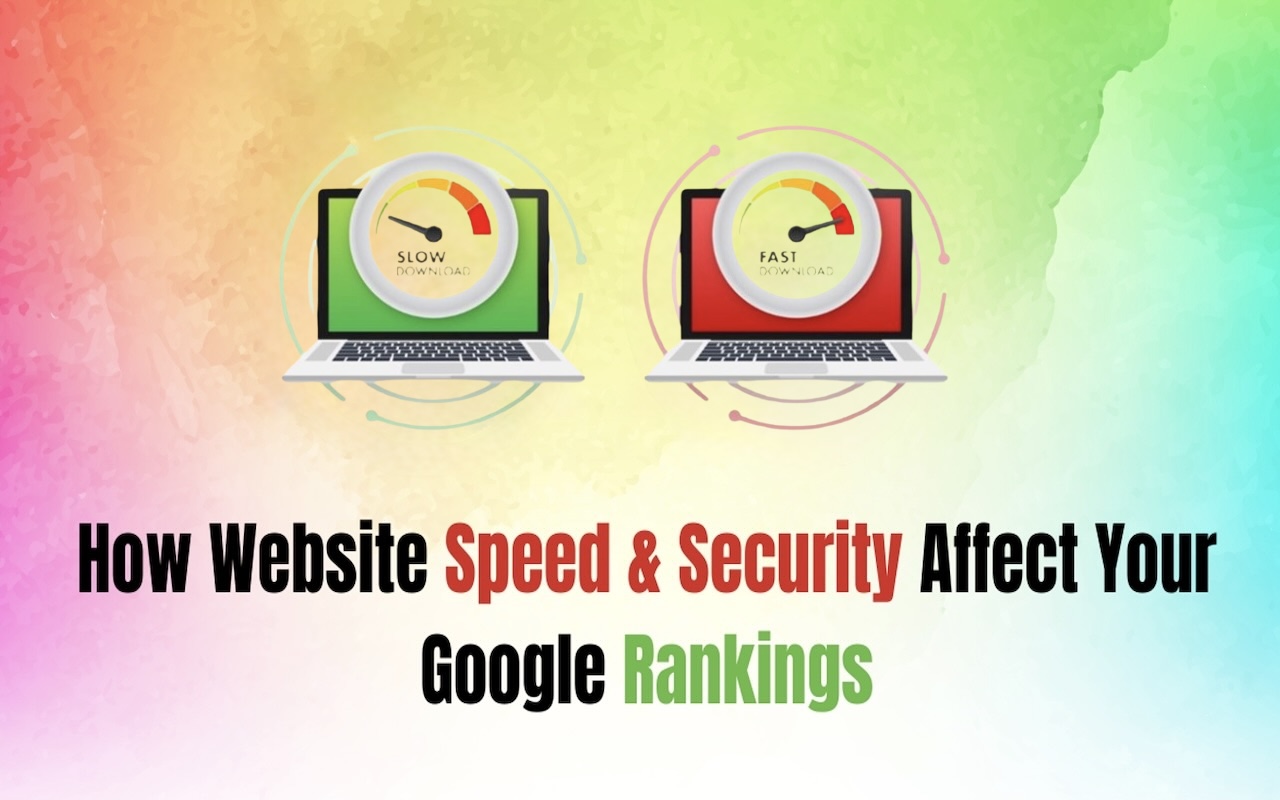
Nobody enjoys waiting for a slow-loading website. In today’s fast-paced digital world, users expect instant access to information, and even a slight delay can lead to frustration, high bounce rates, and lost revenue. But speed isn’t just about user experience—it directly impacts SEO rankings, engagement, and conversions. Google prioritizes fast-loading pages in search results, meaning a sluggish website could be costing you valuable traffic.
A SERP scraping API can act as an integral tool for businesses to keep track of rankings with greater accuracy, as it provides automated access to real-time search engine data. Falling back on old reports is a dead end, as rankings ebb and flow based on algorithmic shifts, competitor moves, and changing search intent.
In 2025, appearing high in search engine result pages (SERPs) means staying competitive. As you should know, sites that take a high search engine rank position tend to attract more clicks and traffic. Respectively, they have more chances for conversions and can facilitate faster business growth in the long run. And that’s where search engine optimization steps in.
There’s a special kind of optimism that comes with launching a new website. The assumption that because it exists, people will find it. You’ve done everything right—or at least, you think you have. The design is polished, the content is in place and you’re checking your email, half expecting a flood of visitors to announce their arrival. Days pass. Weeks. The traffic trickles in at a pace best described as glacial. What now?
Backlink auditing is an integral part of any effective SEO strategy. It allows you to evaluate the quality of your link profile, identify toxic links, and implement measures to improve your site’s overall health.
In the intricate world of technical SEO, IP infrastructure often remains an underexplored yet crucial element of search performance. While most SEO professionals focus on content, links, and core web vitals, the underlying IP architecture of your hosting environment can significantly impact how search engines crawl, index, and ultimately rank your website.
SEO can feel overwhelming, especially when you're confronted with a sea of technical jargon. If you've ever felt lost trying to understand terms like "schema markup," "core web vitals," or "user intent," you're not alone. The good news? SEO terminology isn’t as complex as it seems, and mastering these terms is a game-changer for your digital marketing success.
As we move further into 2025, the role of artificial intelligence (AI) in SEO has become even more pivotal, with new tools and technologies reshaping the way digital marketers approach optimization. With search engine algorithms becoming increasingly sophisticated, AI-powered tools are providing deeper insights, automating tedious tasks, and enabling marketers to create more engaging, SEO-friendly content.
Reaching a global audience involves crafting messages that align with cultural sensitivities and utilizing cutting-edge tools to deliver those messages effectively. Your web content must resonate with diverse demographics, appeal to multilingual users, and provide value that transcends cultural boundaries.