Protecting patient privacy while leveraging data for analytics is crucial in the healthcare industry. Deidentifying patient information safeguards confidentiality and aligns with regulatory standards like HIPAA.


Infertility is a common yet often misunderstood medical condition, defined as the inability to conceive after a year of regular, unprotected sexual activity. It can affect both women and men, and the reasons vary from hormonal disorders and structural abnormalities to lifestyle influences and chronic illnesses. Understanding infertility and treatments is the first step toward overcoming these challenges and increasing the chances of a successful pregnancy.
In recent decades, regenerative medicine has opened new frontiers in medical science, offering innovative solutions for conditions previously considered difficult or impossible to treat. At the center of this revolution lies therapy stem cells, a powerful approach that uses the body’s own biological building blocks to repair, regenerate, and restore damaged tissues. Stem cells are undifferentiated cells capable of developing into specialized cells such as neurons, cardiomyocytes, or skin cells, depending on the environment they are introduced into.
By overlooking the Merit-based Incentive Payment System (MIPS), thousands of clinicians are missing out on bonus payments — or worse, facing steep Medicare penalties. Whether due to confusion, lack of awareness, or the perceived complexity of reporting, the financial consequences are real and growing. This article breaks down what MIPS is, why ignoring it can cost you big, and how even small, strategic participation can turn it from an administrative headache into a reliable revenue booster.
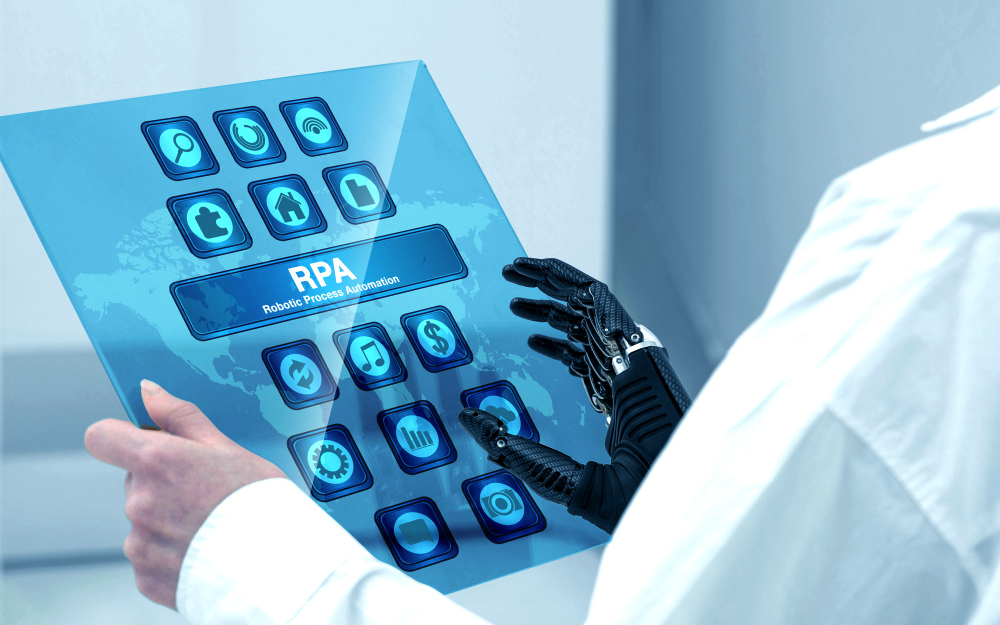
Running a medical practice is tough enough without wrestling with the revenue cycle. Claims pile up, payers push back with denials, and billing teams are stuck in the trenches. But here’s the thing: Artificial Intelligence (AI) and Robotic Process Automation (RPA) are shaking things up, turning clunky workflows into something almost elegant. This isn’t just about shiny new tech—it’s about fixing problems that have plagued doctors and patients for years.
In the past, medical device companies were predominantly hardware-oriented, focused on physical product iteration and limited-scope regulatory filings. But in today's high-stakes environment of digital health, connected devices, and global markets, modern MedTech teams are shifting toward systems thinking. This perspective demands that the entire product infrastructure, from design to deployment, is viewed as a living ecosystem. The complexity now spans mechanical design, embedded software, user interfaces, cybersecurity, and post-market surveillance. What used to be a linear pipeline now behaves more like a feedback loop that demands continuous learning and adaptation.
The healthcare industry is undergoing a rapid digital transformation. From electronic medical records to AI-driven diagnostics and remote patient monitoring, modern technology is at the heart of improving patient outcomes and streamlining workflows. At the core of this revolution is custom healthcare software development, the tailored creation of digital solutions that address the unique needs of healthcare providers, clinics, hospitals, and medtech startups.
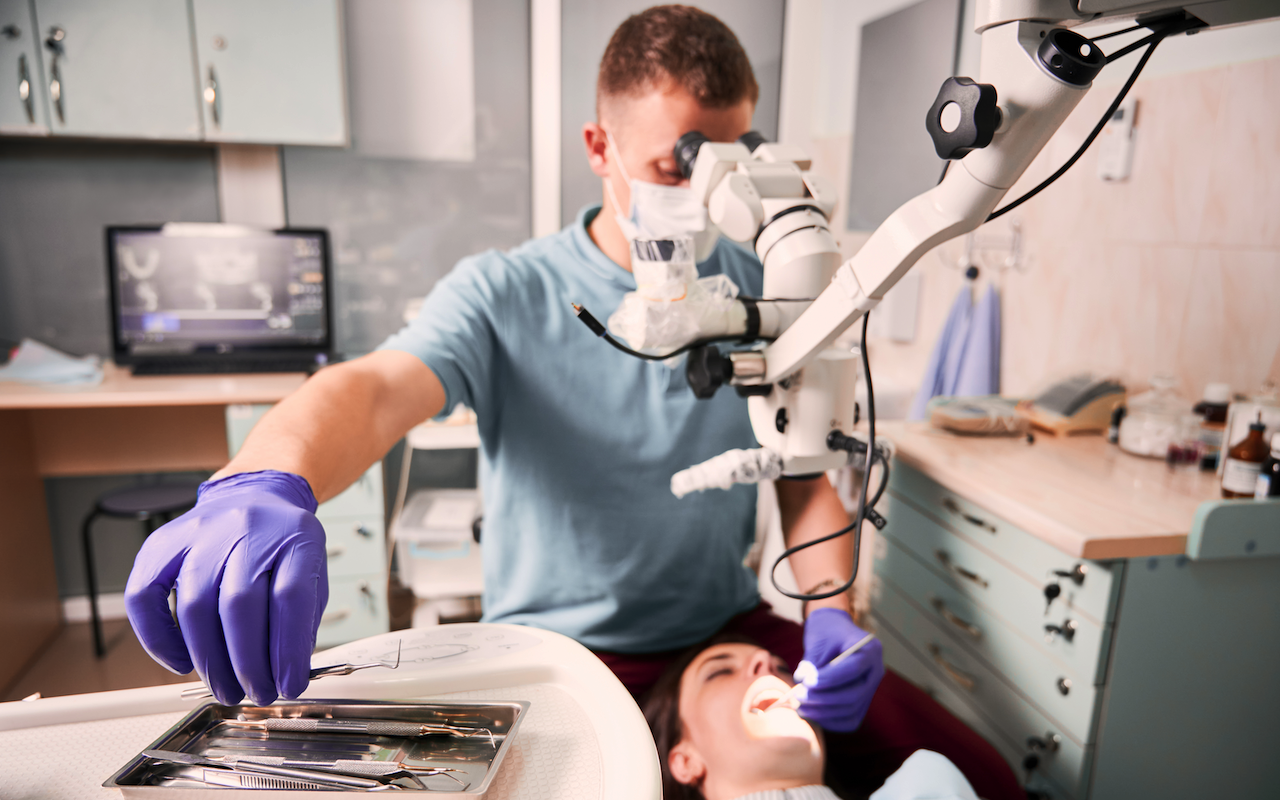
Have you ever cringed at the thought of a root canal? You're not alone. For years, endodontic treatment carried a reputation for being uncomfortable and time-consuming. But the field of endodontics has entered a new era, one that embraces cutting-edge technology, minimally invasive techniques, and data-driven care. Today, endodontists aren't just dental specialists; they’re tech-savvy professionals equipped to save teeth more efficiently and with far less discomfort.
Nowadays, even healthcare professionals need marketing to reach more patients and offer their expertise throughout the world. In fact, not just healthcare professionals but also healthcare businesses need marketing to build their goodwill and market reputation. But what is the best way to market your services or businesses in the healthcare industry? Getting your patients to tell about their experience.
Cardiopulmonary resuscitation (CPR) is a lifesaving skill that everyone should learn. In medical emergencies like cardiac arrest, choking, or drowning, the ability to perform CPR can mean the difference between life and death. With the rising awareness of public safety, more individuals and businesses are recognizing the need for CPR training to create safer communities.