Short selling can be confusing, especially for beginners. Many traders struggle to understand the process and risks involved. Without a clear plan, losses can quickly accumulate.
Day trading can feel overwhelming, especially with unpredictable market swings. ETRADE provides tools and features that make this fast-paced process easier. If you're exploring day trading with ETRADE, understanding how to leverage its platform effectively can boost your performance from the start. This blog will show you how to use these tools and explain strategies to enhance your trades.
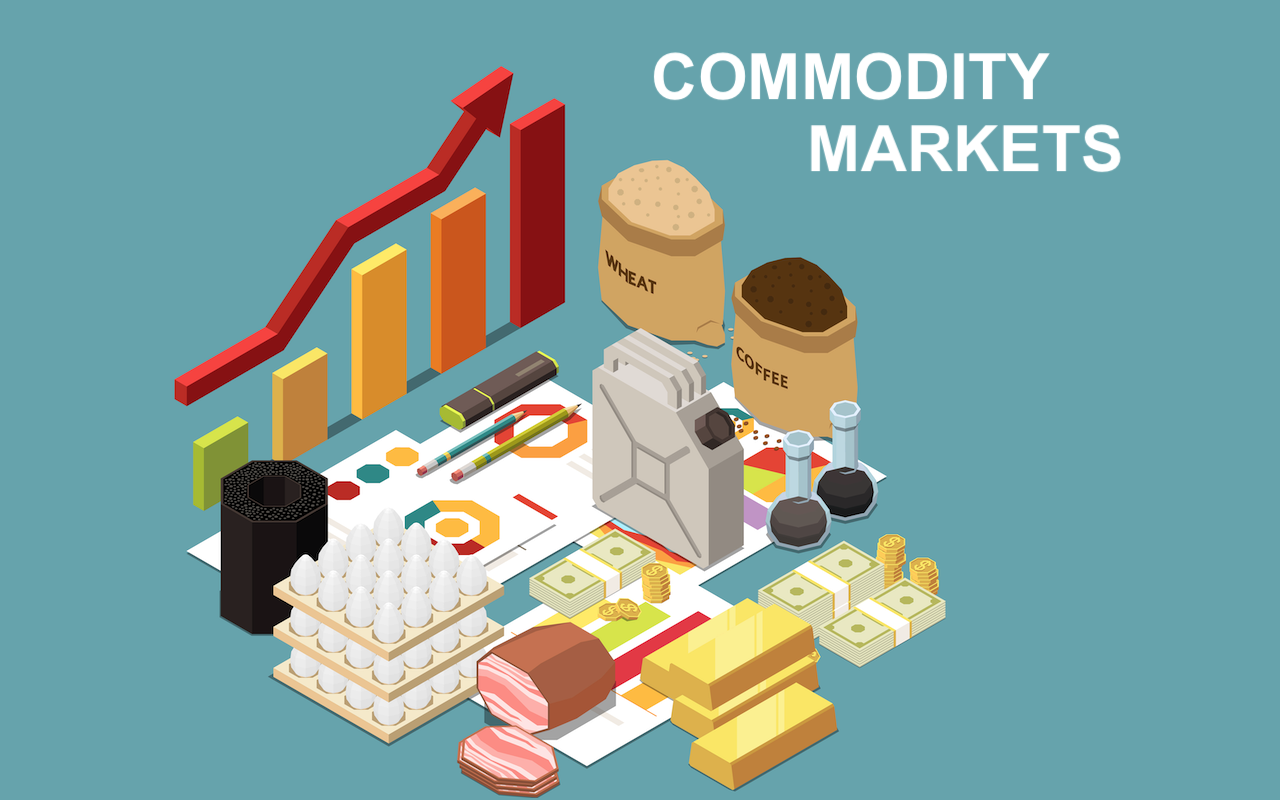
Commodity markets can feel unpredictable. Prices change suddenly, regulations evolve, and supply chains face unexpected disruptions. For business owners, these uncertainties can make planning and maintaining profits more challenging. Studies show that advanced risk tools assist businesses in managing these challenges effectively. AI-driven systems and predictive analytics are now reshaping how companies respond to market changes. This blog will discuss how you can prepare for unpredictable markets using modern risk tools. It will provide insights into minimizing risks and enhancing decision-making in real-time. Ready to manage uncertainty? Keep reading!
Are cash and checks on their way out? As digital convenience takes center stage, traditional payment methods are quickly becoming outdated. With mobile wallets, online transfers, and contactless solutions gaining ground, the shift towards a cashless world is accelerating faster than ever.
Getting started with forex trading can feel overwhelming for beginners, especially with many platforms available today. That said, as newbies, you should know that your choice of a trading platform is crucial since it's where you analyse, execute, and monitor your trades. Therefore, choosing the right one is imperative.
Prop traders thrive in specific market conditions where they can leverage their skills and strategies effectively. Volatile markets are particularly favorable for prop traders, as price swings provide more opportunities for profit. When markets experience rapid changes in direction, traders can capitalize on short-term movements to achieve their goals. Financial news events often ignite such volatility, giving traders an edge if they can accurately predict or respond to these movements.
Accounting automation plays a vital role in helping small businesses manage their financial operations with greater accuracy, efficiency, and scalability. It replaces manual, repetitive tasks with intelligent, software-driven processes that ensure consistency and reduce the risk of errors. From reconciling multi-platform sales to syncing financial data across systems, automation simplifies everyday accounting workflows, giving business owners and finance teams the tools they need to make informed decisions.
Financial compliance in regulatory environments plays a significant role. It functions as a mechanism to ensure that operations in financial services adhere to a set of regulations.
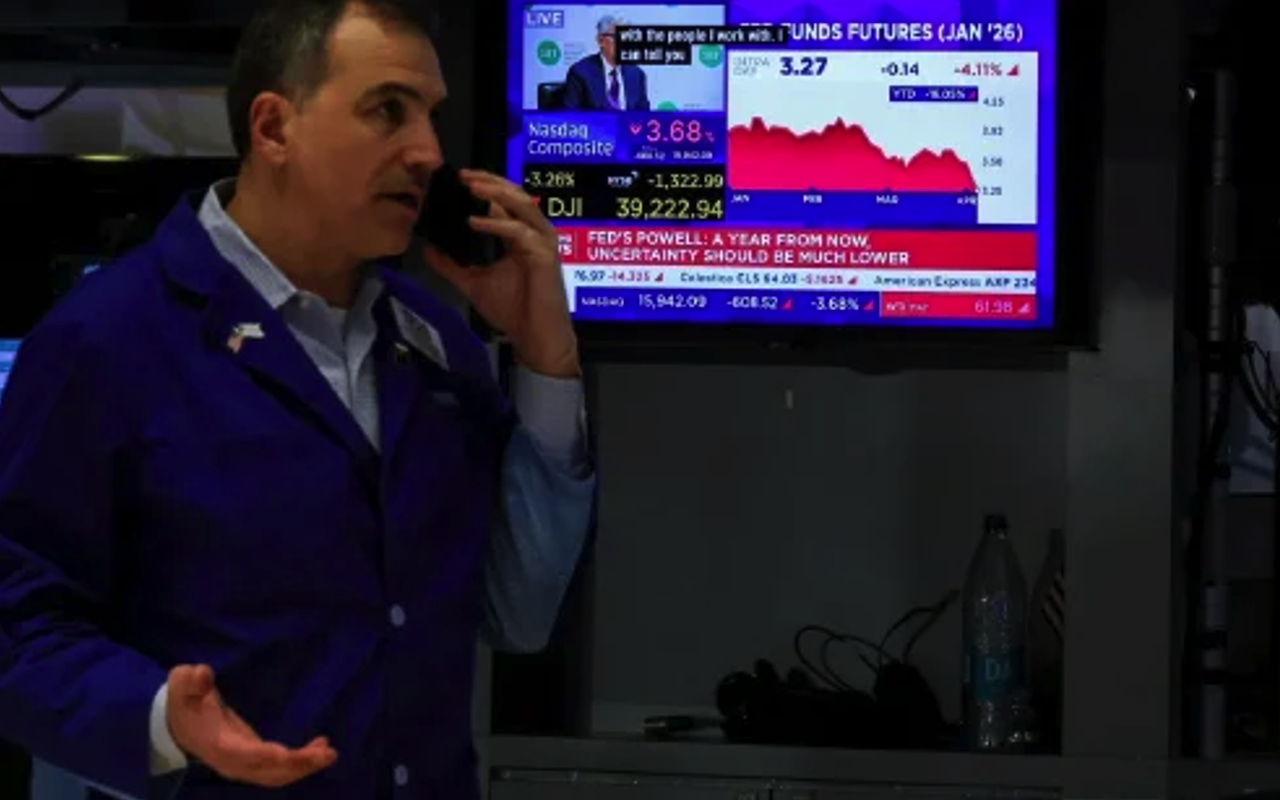
In the current turmoil in the global financial market, especially the sharp decline of US stocks due to Trump's new trade and fiscal policies, investors urgently need to find new and stable investment directions. According to the latest data, the S&P 500 index has fallen by more than 10% since March 2025, officially entering the adjustment range; the Nasdaq index has plummeted by more than 12%, with technology stocks bearing the brunt. The Dow Jones Industrial Average was not spared, and large industrial and export-oriented companies were greatly impacted. This series of downward trends has deepened the market's concerns about the US economy falling into recession.
A stock split divides existing shares into multiple new shares, adjusting the price proportionally while maintaining the same market capitalization. When a company like Tate and Lyle stock implements a 2-for-1 split, shareholders receive two shares worth $50 each for every $100 share they owned.