Ecommerce and Online Shopping
May 28, 2026
by IP Location

In recent years, a growing number of small businesses have found success
by focusing on highly specialized product categories rather than
competing directly with large online marketplaces. One example is the
replacement eyewear parts market, where customers often struggle to find
compatible lenses, arms, and components for damaged or discontinued
p...
May 27, 2026
by IP Location

When shopping online today, customers expect personalized products, transparent pricing, and seamless experiences. With high consideration, costly items like furniture, balancing all of these can be challenging, especially when brands still follow traditional fixed pricing models. Static pricing often fails to adapt to customers’ changing demands, inventory...
May 7, 2026
by IP Location

As e-commerce continues its rapid expansion, the sophistication and volume of fraudulent activities are evolving at an unprecedented pace. Industry forecasts indicate that by 2026, global losses from online fraud will surpass $48 billion, marking a steep increase from $32 billion in 2022. This surge underscores the urgent need for e-commerce brands to bolste...
April 30, 2026
by IP Location
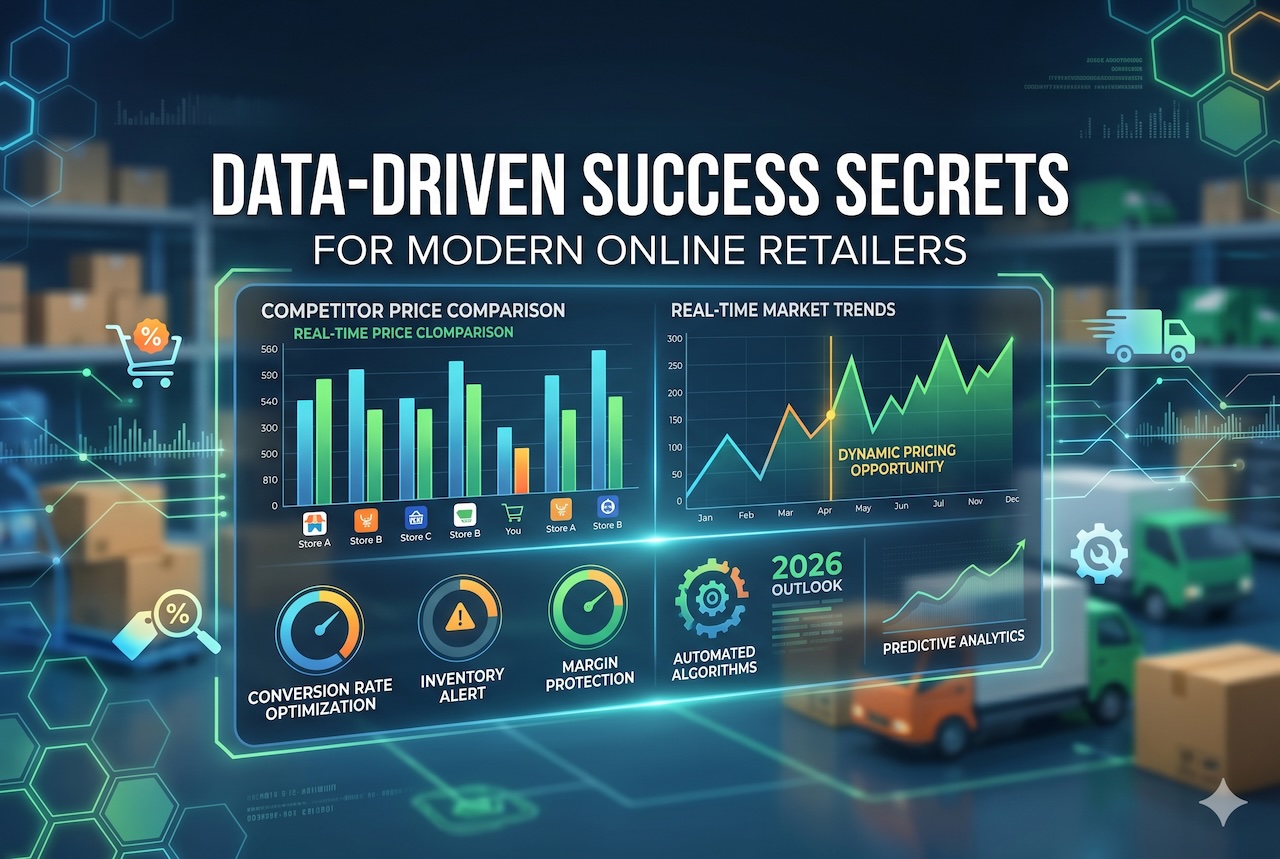
Winning in today’s e-commerce meat grinder isn't about having the prettiest storefront; it’s about who has the sharpest "information radar." Period. We’ve moved way beyond the era where you could just list a product and pray for the best. Now, if you aren't turning raw metrics into a battlefield strategy, you’re basically a sitting duck. Why do some brands e...
April 22, 2026
by IP Location

Global e-commerce requires instant financial gratification in 2026.
Businesses actively deploy advanced mass-payout solutions to execute
vendor disbursements and client compensation quickly. This comprehensive
overview explains how modern enterprises efficiently handle refunds,
cashbacks, and bulk processing. We directly address both B2C retail
tra...
April 7, 2026
by Olivia

Enterprise retailers running ecommerce infrastructure that predates the
current generation of platform capabilities face a consistent set of
problems: slow page load times, fragile custom integrations, difficulty
launching new channels or markets, and a development backlog that grows
faster than it can be addressed. The modernization path most often...
March 20, 2026
by Omkar Deo

Login friction is one of the most underestimated causes of drop-offs in
Shopify stores. Whether it’s forcing users to create accounts, relying
heavily on OTPs, or making customers re-authenticate across systems,
each additional step increases the likelihood of abandonment.
March 17, 2026
by Shahid Latif

Running a successful e-commerce business today requires more than just a
strong product and a Shopify store. The market has become increasingly
competitive, advertising costs continue to rise, and new brands appear
across multiple platforms every day. In this environment, relying solely
on intuition is often not sufficient.
March 13, 2026
by Olivia

Product data is becoming more complex as the number of Magento stores
increases. Manual workflows are easily flooded with hundreds or even
thousands of SKUs, store views, pricing, attributes, and inventory
updates. Even experienced eCommerce teams can face errors, wasted time,
and inefficient workflows without a clear plan for importing, exporting,...
March 12, 2026
by IP Location

Why do some online stores grow rapidly while others struggle to keep up?
The difference lies in the platform behind the store. Customers today
expect lightning-fast performance, personalized experiences, and
seamless navigation every time they shop. Off-the-shelf solutions may
launch a store quickly, but they often hit a growth ceiling, limiting
yo...