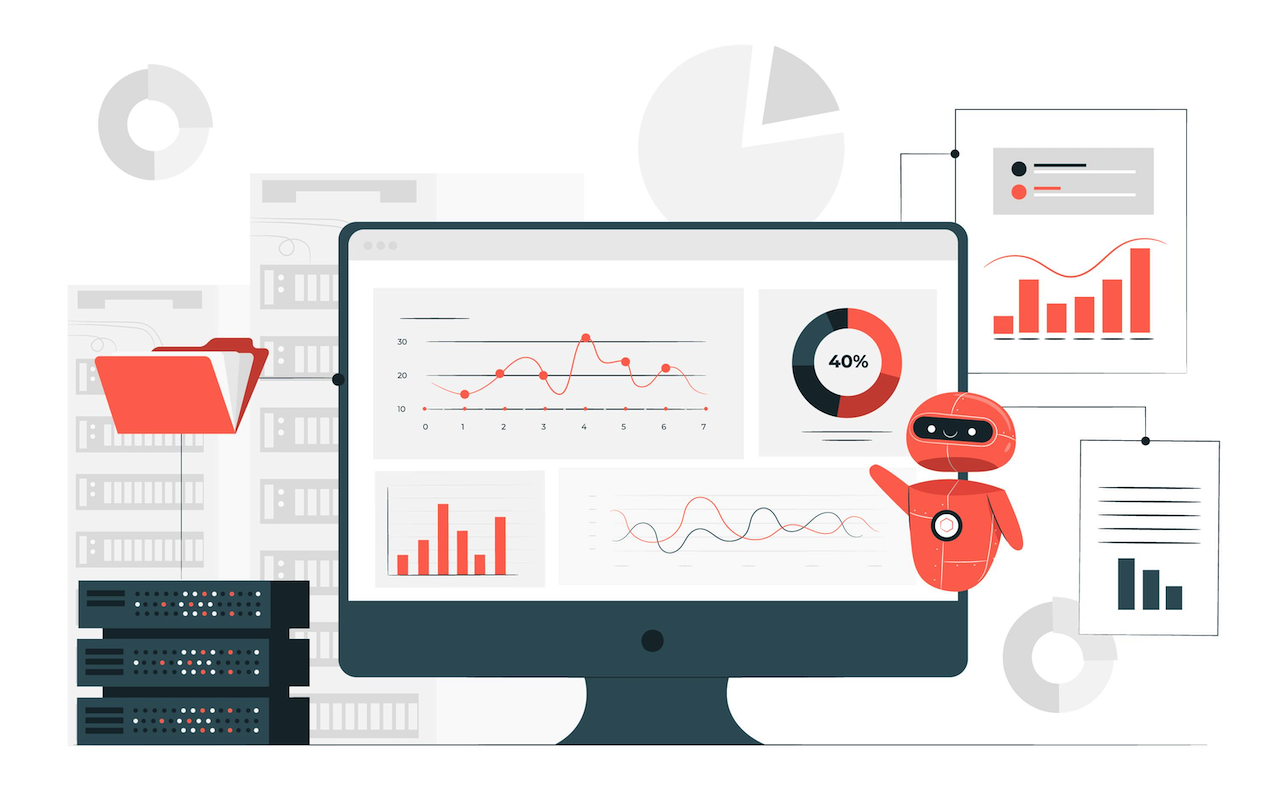
Digital marketing is a cost-convenient, easier, and more effective way of generating leads and converting them into sales.
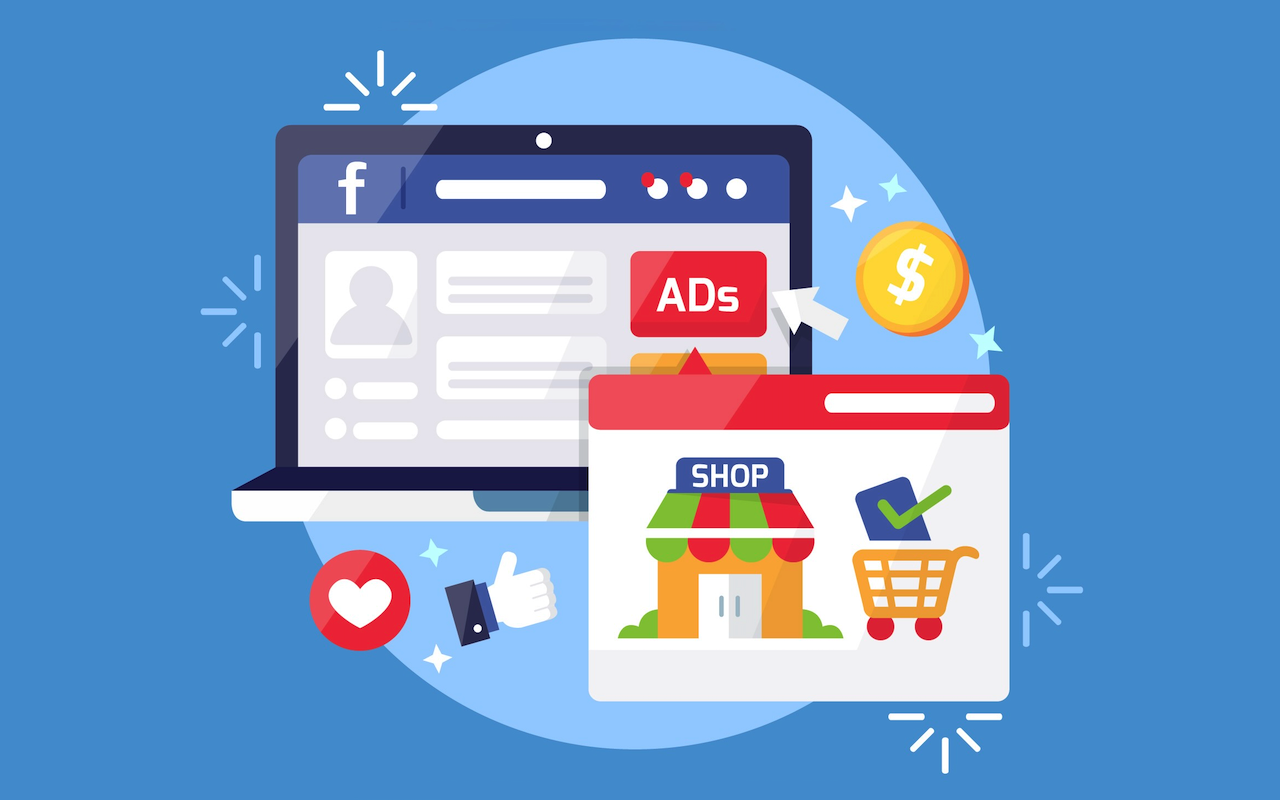

Automation is transforming Facebook ad strategy by shifting control from manual setup to machine-driven optimization. These days, campaign structures rely on algorithmic bidding, dynamic creatives, and AI-based targeting. Traditional tactics like granular segmentation, manual budget allocation, and fixed ad testing no longer deliver performance.
Nowadays, tons of content are uploaded online every second. Social media is packed with posts competing for your attention, and Google search shows a never-ending list of blog posts on any topic you choose. But, you know what? Not all of them create the same impact on readers.
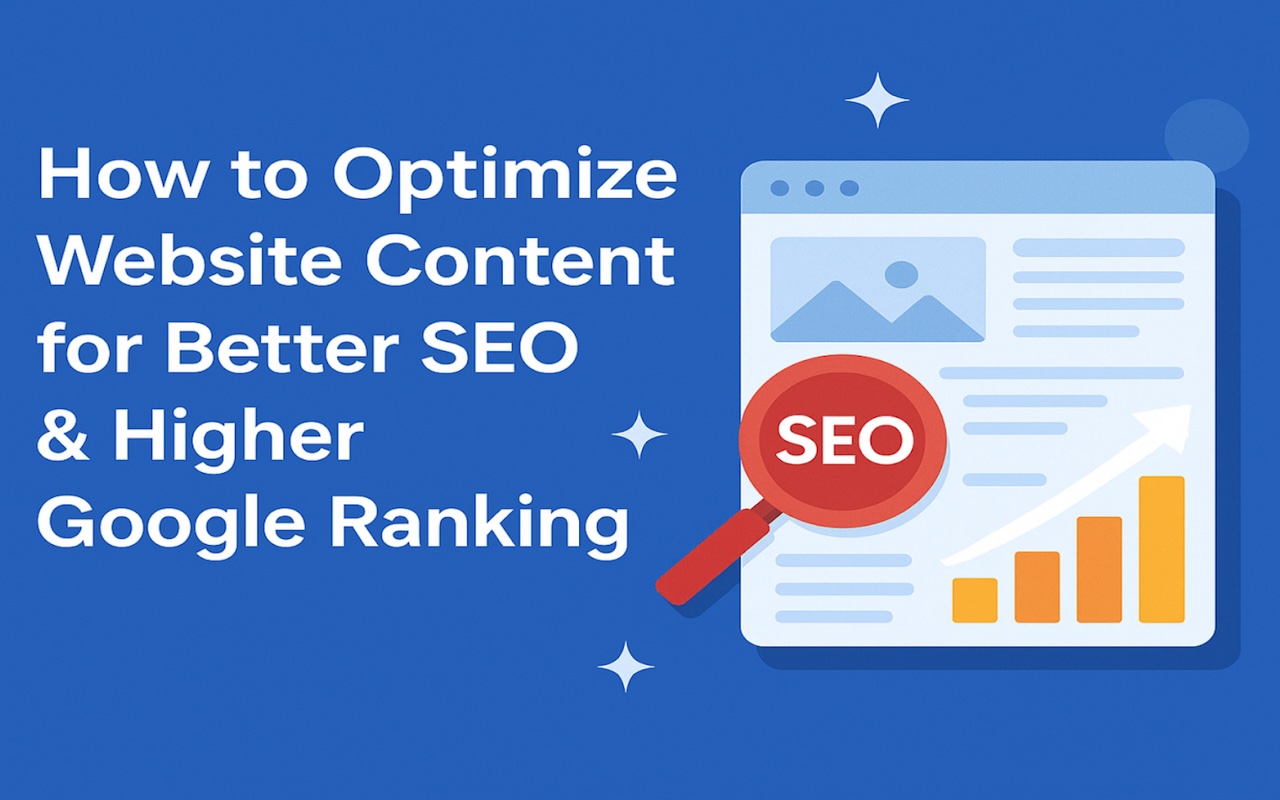
Optimizing your web content is crucial for ranking high, especially on a search engine like Google, where millions of pages are competing for attention. Just publishing your content and waiting for it to rank isn’t going to work. You need to optimize your content for SEO to make it to the top.
Digital marketing is how businesses stay visible, stay relevant, and stay in business.
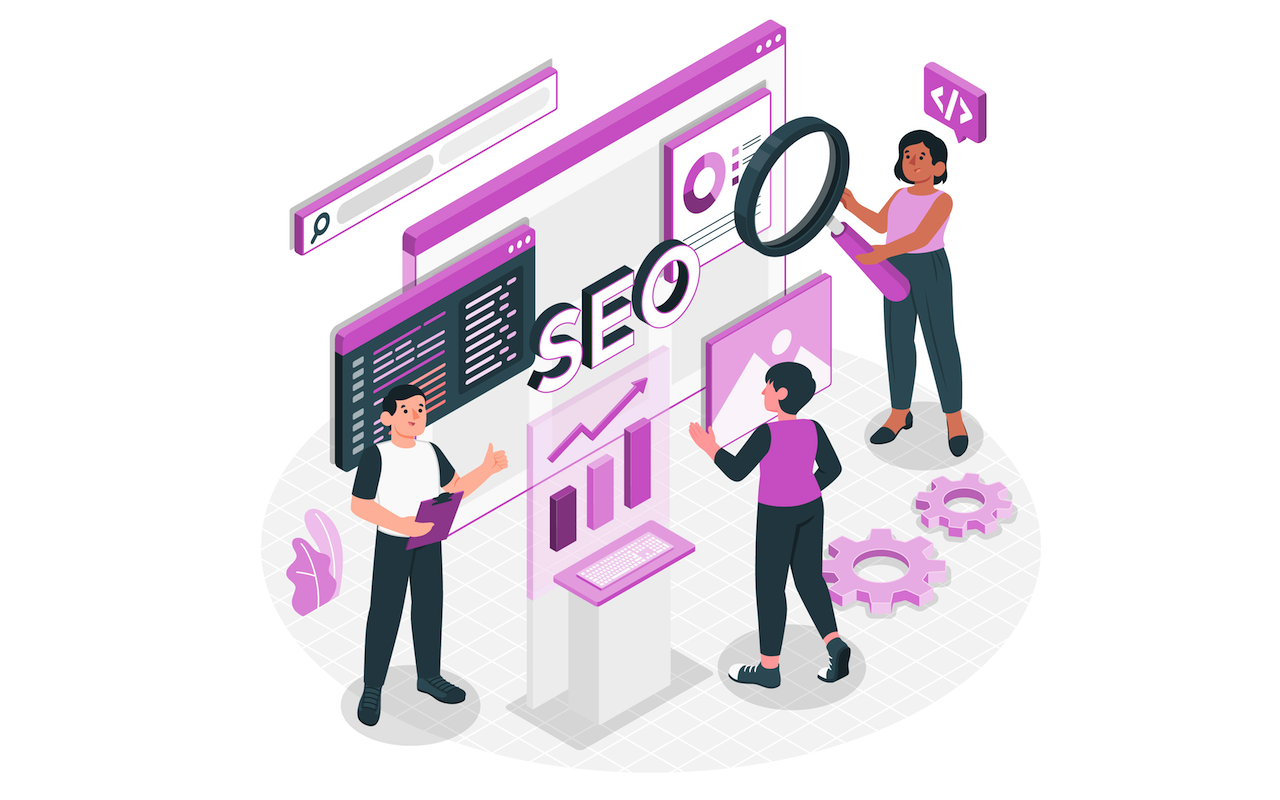
In the competitive world of digital marketing, visibility isn't just valuable; it's vital. Whether you're running a startup, managing a local business, or leading a global enterprise, staying visible on search engines is key to sustained growth. Yet, the journey to consistent online performance is filled with algorithmic changes, evolving customer behaviors, and an overwhelming array of digital tools. That’s where SEO packages come in—not just as a service, but as a strategic investment.
Web design is a powerful tool that can be harnessed to achieve a variety of marketing objectives. By strategically aligning design elements with specific goals for a website, businesses can enhance user engagement, drive conversions, and amplify brand messaging. Let's explore the relationship between web design and marketing.
In an age where privacy has become a hot-button issue, it’s no surprise that many advertisers are starting to wonder: can I run ad campaigns without revealing who I am? Whether it’s to protect personal information, maintain business confidentiality, or simply avoid the creepy feeling of being tracked, anonymous advertising is carving out a niche in the digital marketing landscape.
One of the main reasons brands use IP geolocation is because consumer preferences vary by location. What appeals to a shopper in Texas might be completely different from what a customer in New York is looking for. Whether it's climate, culture, or local events, regional factors shape buying behavior in profound ways.
A site may receive 10,000 visits on a given day, yet how many of those visitors convert? And the embarrassing fact is that the majority will not. They will not click, they will not fill out your form, and they definitely will not make a purchase. They will scroll, browse, and perhaps read half a headline and leave. However, they also part with something that marketers often overlook, their IP address. That is wasted potential. IPs reveal business, trade, geographical locations, and behavioral patterns. When you are not monitoring and tracking this trail and looking at it, you are wasting revenue. The good news is? There are smart tools to assist you in monitoring, decoding, and acting on it.