
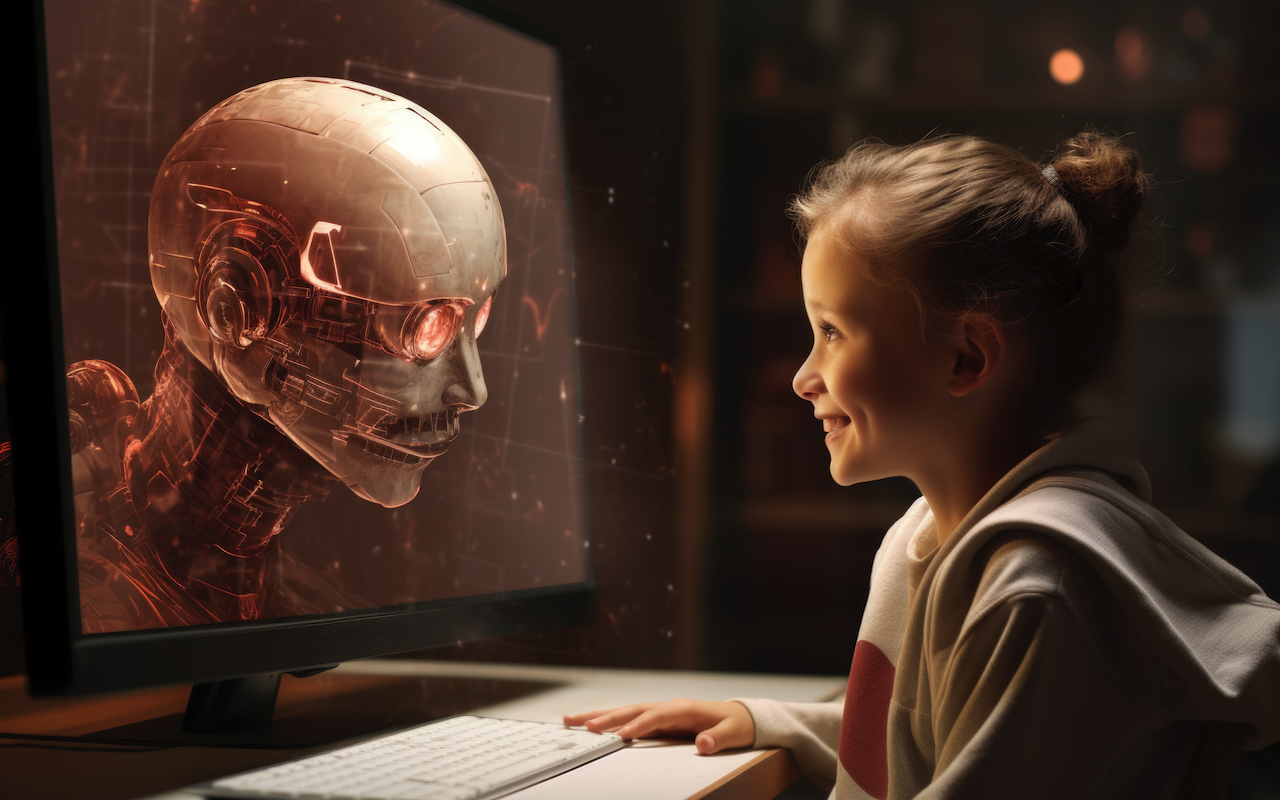
For years, students have struggled with the challenges of learning math. Traditional methods often leave them feeling overwhelmed, as they deal with abstract concepts and long problem-solving processes. The typical classroom approach doesn't always meet individual needs, which makes math even more frustrating.
AI math solvers are changing this by offering personalized, instant support. These tools break down barriers, making learning more accessible and efficient while helping students approach math in a new, more manageable way.
What is an AI Math Solver?
An AI math solver is a tool powered by artificial intelligence that helps solve math problems by interpreting user input, processing calculations, and providing step-by-step solutions. They are built on sophisticated technologies such as:
- Natural Language Processing (NLP): Allows the solver to understand written or image math problems.
- Computer Vision: Enables the solver to recognize handwritten equations or problems captured in images.
- Symbolic Computation Engines: Performs the calculations and explains the logic behind each solution.
AI math solvers can be accessed through web applications, mobile apps, and even integrated into learning platforms, making them accessible to students of all ages and abilities.
5 Ways AI Math Solvers Are Transforming Math Learning
1. Real-Time Feedback and Step-by-Step Explanations
One of the most significant advantages of AI math solvers is their ability to provide real-time feedback. When a student enters a math problem, the solver doesn't just give an answer. It also explains how to reach that answer. This process, which typically requires teacher intervention in traditional learning, is now instantly available to every student. By breaking down each step of the solution, AI solvers help students build a deeper understanding of mathematical concepts. This approach reinforces long-term learning because students learn the logic and reasoning behind each calculation rather than just memorizing solutions.
2. Multiple Input Methods: Image, Text, or Upload from Phone
The days when students could only solve math problems by typing them in are gone. Today's AI math solvers offer multiple ways to input problems: students can type in their equation, snap a picture of handwritten problems, or even upload pictures from phone. This flexibility allows students to interact with math problems in a way that feels most natural to them. Whether they are working on an assignment in class or solving problems from a textbook at home, AI math solvers eliminate barriers to inputting problems, making them more user-friendly and accessible.
3. Personalized Learning Paths
The AI math solver does more than just solve problems. It also creates personalized learning journeys for each student. As students use these tools, the AI system tracks their performance and identifies patterns in their strengths and weaknesses. Using this data, the solver can recommend practice problems tailored to each student's unique needs. This personalized approach helps students focus on areas where they need the most improvement, making their study time more efficient and effective. Over time, the AI can even suggest more complex topics based on the student's progress, creating a dynamic learning experience that evolves as the student grows.
4. Reduced Anxiety, Increased Confidence
Math anxiety is a common problem among students, often stemming from fear of failure or not understanding the material. AI math solvers provide a judgment-free zone, where students can solve problems and review answers without the pressure of a teacher or peers watching. By offering instant help and providing clear explanations, AI math solvers boost students' confidence, allowing them to tackle more difficult problems with a sense of assurance. This reduction in anxiety can lead to greater engagement and a positive shift in the student's approach to math as a whole.
5. Teacher's Assistant: Enhancing Classroom Learning
AI math solvers aren't just valuable for students; they also serve as a powerful teaching tool. For educators, these tools can assist with grading, provide supplemental learning materials, and help create personalized problem sets for students. Additionally, AI-powered solutions allow teachers to monitor students' progress more efficiently. By analyzing the common mistakes students make, educators can quickly adjust lesson plans to address knowledge gaps, leading to more effective classroom instruction.
Challenges and Limitations of AI Math Solvers
While AI math solvers offer tremendous benefits, there are some challenges and limitations to consider:
- Dependence on Technology: Over-reliance on AI could result in students bypassing critical problem-solving skills. It's important for students to engage with the material actively and not rely solely on the solver.
- Risk of Incorrect Answers: AI isn't flawless. Sometimes, it may misinterpret handwriting or offer inaccurate solutions due to limitations in image recognition or algorithm errors. It's important for students to verify results and not blindly trust the tool.
- Data Privacy Concerns: With AI math solvers often collecting data on students' performance, there's a risk of personal information being misused or inadequately protected. Ensuring that these tools comply with data protection regulations, like GDPR, is critical for maintaining trust and safety.
The Future of AI Math Education
The role of AI in education is only beginning to take shape. As technology evolves, AI math solvers are expected to offer even more advanced capabilities:
- Deeper Contextual Understanding: Future AI solvers may better understand complex word problems or context-based questions, improving their ability to assist with real-world math applications.
- Immersive Learning Experiences: The integration of AI with augmented and virtual reality could lead to interactive, hands-on learning experiences where students can visualize math problems in 3D space.
- Adaptive Virtual Tutors: Imagine a scenario where the AI not only solves problems but also adapts to the student's emotional state, adjusting the tone and pace of instruction based on the learner's level of frustration or confidence.
Conclusion
AI math solvers are changing the way we learn math by providing instant, personalized, and accessible solutions. As AI continues to develop, these tools will only become more advanced, offering deeper insights and greater interactivity. By reducing math anxiety, providing personalized learning paths, and serving as powerful teaching aids, AI math solvers have the potential to transform math education, making it more efficient and enjoyable for students at all levels. Parents, teachers, and students are encouraged to explore these tools and incorporate them into their math learning routines to unlock new possibilities and foster a deeper understanding of mathematics.
Featured Image by Freepik.
Share this post
Leave a comment
All comments are moderated. Spammy and bot submitted comments are deleted. Please submit the comments that are helpful to others, and we'll approve your comments. A comment that includes outbound link will only be approved if the content is relevant to the topic, and has some value to our readers.
Comments (0)
No comment