
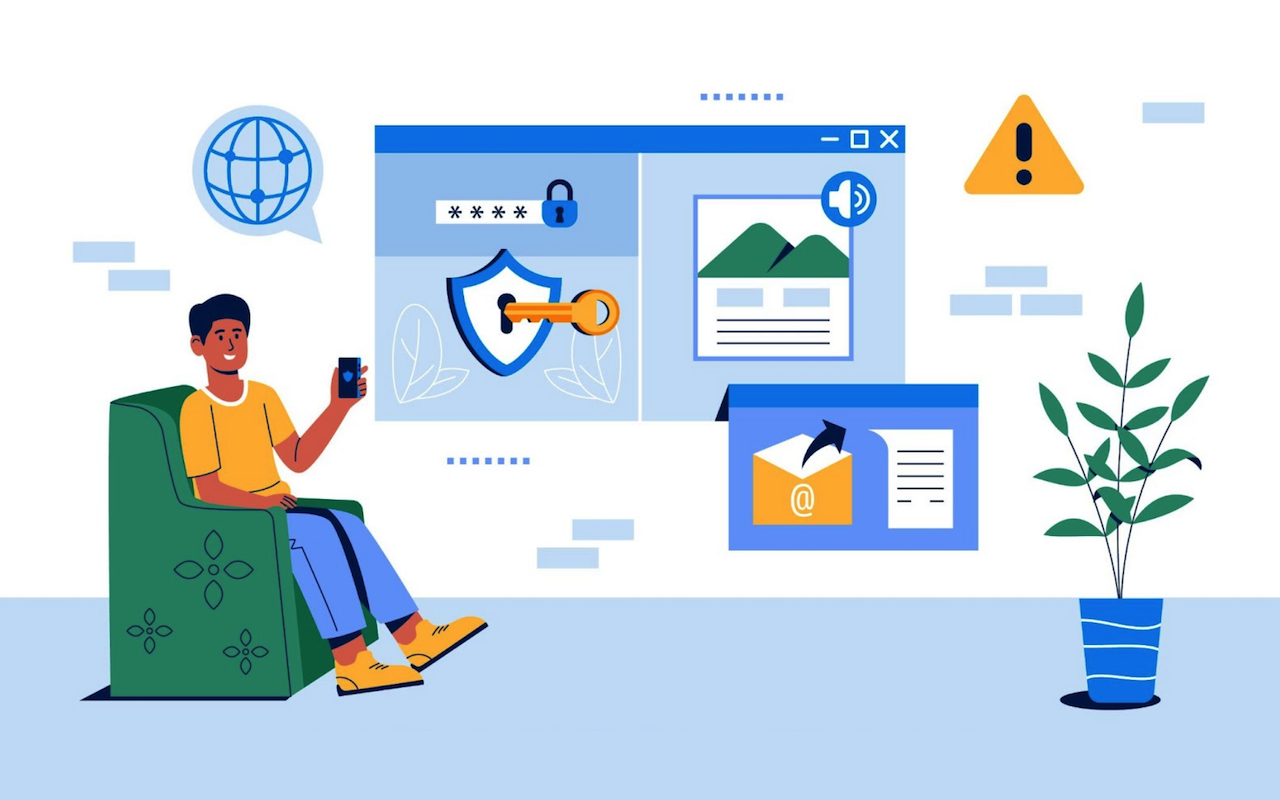
The internet has become a basic necessity in everyday life. From a student to a professional, we all rely on it to interact with others, gain knowledge on a specific topic, spend leisure time, reduce professional workload, and much more. The more we use online sources and accounts, the greater the risk of fraud, fake authority, identity scams, deepfakes, etc.
That’s why knowing about these deceptions and safety practices is far more critical than ever. To protect your family and loved ones, it’s essential to follow online safety practices to stay safe on the internet.
That's today's blog guide, so stay till the end of it.
7 Must-Follow Online Safety Practices
2025 is a modern era in which online safety goes beyond traditional password security and antivirus software. Nowadays, that’s not how you can minimize modern age frauds. Deepfakes, identity theft, and sophisticated scams are at their peak level, which can be exercised on any device without your awareness or consent.
Scary, right?
In this regard, you need to verify digital identities and protect personal data more reliably. Follow these top 7 online security practices to encounter these challenges:
1. Strengthen Account Security with Two-Factor Authentication
A simple password isn’t enough to keep your online accounts entirely safe from unauthorized access. Now, hackers use more innovative techniques, such as phishing emails, stolen credentials, and direct attacks via links, to access online accounts. That’s why two-factor authentication, a simple security method, has become a potent way to protect your digital presence across essential accounts.
If you activate two-factor authentication on social platforms or other important accounts, logging in to them requires more than just a password. It needs a second step to overcome if someone tries to access the account illegally. The second step can be a one-time code sent to a legal phone, a code from an authentication app, or even a fingerprint scan.
This additional security feature ensures that even if someone has your account password, they cannot access your account easily. According to research, people who use these authentication steps are over 99% less likely to compromise their accounts. Secure platforms, including email, social media, and banking apps, allow users to enable two-factor authentication. This only takes a few seconds but has significant benefits.
Why it matters:
- Offers strong access to accounts
- Blocks unauthorized access even if a password is stolen
- Reduces the risk of phishing and credential attacks
- Serious security compared to passwords
2. Verify Digital Identities with Face Search
As of now, the rise of online interactions has extended the need to verify identities. Fake identities, AI digital personalities, and deepfakes are common ways cybercriminals use to harm personal information. To verify online identities, face search engine is a reliable and ultimate solution that uses advanced AI and deep learning to analyze and match facial features across digital platforms.
An AI face search engine helps organizations, businesses, and individuals quickly verify a person’s identity and authenticity. It does not need any documents like the traditional checks. This protects individuals from impersonation and enables organizations to prevent fake stakeholders, perform secure online transactions, or safely onboard new hires.
Through the face search engine result, you can even detect if any deepfakes are being practiced. This all strengthens the security, and anyone can trust others with this verification system.
Why it matters:
- Prevents identity theft and impersonation
- Confirms authenticity for secure transactions
- Detects manipulated images and deepfakes
- Helps organizations onboard users safely
- Reduces the risk of online scams
3. Detect Deepfakes and Manipulated Media
The internet is full of teams with videos, images, and posts that look real but aren’t. Artificial content seems too genuine to tell whether it's a deepfake video or a subtly edited image. This generated fake content or media used to trick, scare, or even scam people.
That’s why identifying these types of manipulated media is essential to staying safe and staying up to date online.
Even the most intelligent AI agent can’t accurately create real media or content, so there are usually subtle signs that distinguish real from fake, such as lighting, unnatural movements, or voices that sound a bit unreal. Fortunately, there are also tools you can use to check whether the media is reliable, e.g., Deepware Scanner, Sensity AI, and Reality Defender.
They help to trust or share any updates, news, or stories. Engaging with real media not only saves you but also allows you to have a trustworthy interaction with everyone.
Why it matters:
- Protects you from scams and misinformation
- Helps you avoid emotional manipulation
- Keeps your reputation safe online
- Reduces the chance of spreading false information
4. Protect Personal Data and Limit Oversharing
You live in the digital world, where you may unintentionally reveal confidential data in many ways. Everything you share or post online, whether it’s on social media, websites, or apps, can be consistently stalked, tracked, or collected for use in unlawful activities. If your personal details, like full address, phone number, birthday, or vacation plans, are shared anywhere, this makes it easier for cybercriminals to target you.
Your personal details are more protected with your awareness and critical consideration of what you post. Strong privacy settings over social media platforms should be emphasized, avoid sharing sensitive information publicly, and make sure the websites or apps are authentic before giving your details.
On top of that, the simple safety steps can significantly help to maintain a secure online presence – using a separate email for sign-ups, enabling privacy features, and regularly checking your digital footprint.
Why it matters:
- Minimizes identity fraud and theft
- Reduces unwanted contact or harassment
- Protects your reputation online
- Keeps sensitive information far from the wrong hands
- Offers you complete control over your digital existence
5. Recognize and Avoid Phishing and Scam Attempts
The tactics cybercriminals use to steal your personal information or money include phishing and online scams. These attacks are usually carried out through fake emails, messages, or websites that are designed to appear like a real or trusted medium: a bank message, a popular app recommendation, or even a friend request. Illegal access is not possible unless you click a link, enter passwords, or share personal details.
Importantly, always note the essential signs before taking any step, such as urgent requests, suspicious links, or unknown senders. And sensitive information should not be used unless you’re utterly convinced of the source's authenticity.
If you are not, access the official website or contact the organization rather than following the links in the message.
Don’t forget that checking safety tool alerts can also help protect you from many scams, including email filters, antivirus software, and browser security features.
Why it matters:
- Protects confidential information
- Reduces the risk of financial loss
- Helps you save from scams before they harm
- Encourages safer online habits
- Maintain an online presence stress-free
6. Monitor Your Digital Identity with Security Tools
It is not possible that your personal information is fully protected. There is still a chance of exposing it somewhere online, even if you follow all safety practices. That’s why monitoring your digital identity is so important. It also helps you to track the accounts you may have unintentionally created. So, you can keep an eye on your online accounts, emails, and personal data by using helpful security tools. This further alerts you if something suspicious happens.
For instance, Leak Notifier alerts you if your email or password is visible in unsafe or exposed places online. Likewise, Google Security Account notifies you if an unauthorized user tries to log in to your account.
Social media tools let you know when someone mentions your name or brand online, like Hootsuite. It allows you to detect the practice of impersonation or misuse of information rapidly.
Why it matters:
- Detects unauthorized access to accounts
- Alerts you if your personal data is exposed
- Helps to minimize identity theft and fraud
- Offers safe online experiences to you and your family
7. Practice Safe Browsing and Verify Sources
Every day while browsing, you come across helpful information, misleading content, scamming links, and harmful websites on the internet. That highlights the importance of safe browsing, which means knowing the sites you visit, the links you click, and validating the information you trust.
For instance, make sure the website is secure before providing personal details or downloading anything. Analyze HTTPS in the URL and verify the site’s legitimacy.
Verifying sources is essential. It’s because not all information online is accurate. Artificial news, edited media, fake content, or misinformation can cause significant harm socially or otherwise. Therefore, always double-check statements, read content from only reliable websites, and avoid sharing information until it's verified.
Why it matters:
- Stops malicious attacks
- Your personal and financial information is protected
- Decreases the chance of being scammed or relying on fake news
- Helps you make informed decisions online
- Allows a safer and more trustworthy online experience
Final Words
As technology continues to evolve, staying informed about online safety practices is increasingly important. New tools, platforms, and digital trends bring convenience, but they can also introduce additional risks. These risks can be managed by adopting the simple habits and techniques outlined in this article.
Securing your accounts, verifying identities, monitoring your digital presence, and browsing carefully can significantly reduce exposure to online threats. Ultimately, maintaining a safe online presence does not require advanced technical skills. With awareness, informed choices, and consistent practices, anyone can protect themselves more effectively online.
Share this post
Leave a comment
All comments are moderated. Spammy and bot submitted comments are deleted. Please submit the comments that are helpful to others, and we'll approve your comments. A comment that includes outbound link will only be approved if the content is relevant to the topic, and has some value to our readers.
Comments (0)
No comment