
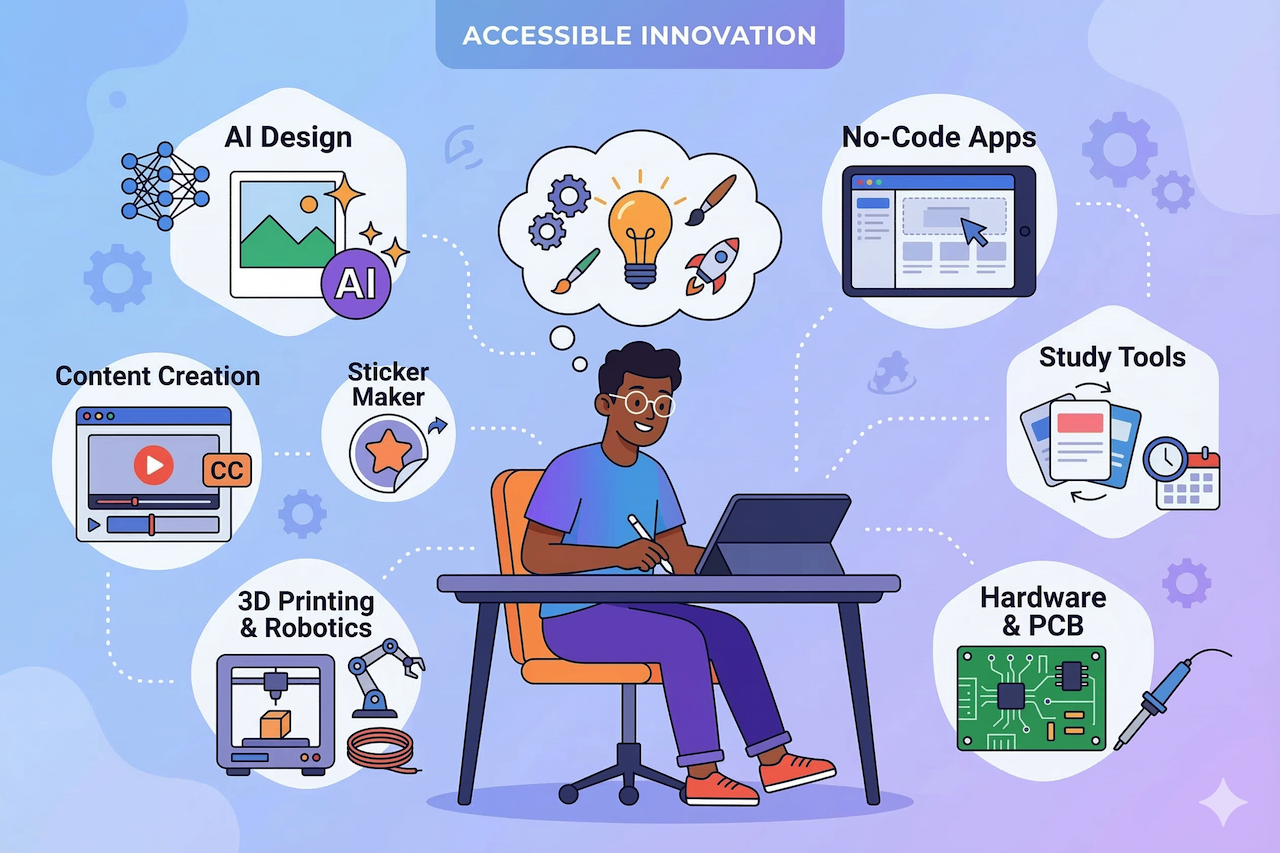
In the not-so-distant past, creating something—whether a circuit board, a custom sticker, a product prototype, or even study materials—required either significant technical expertise or a large budget to hire someone with the necessary skills. That is no longer the case.
A wave of online tools has transformed this landscape over the past few years, bringing professional-level capabilities into the hands of curious amateurs, small business owners, students, and creators of all kinds. Some tools are flashy, while others quietly simplify complex tasks, but together they make it easier than ever to turn ideas into real, tangible results.
1. AI-Powered Design Generators
Generative AI has moved far beyond simple chatbots. Tools such as Adobe Firefly, Canva’s AI features, Midjourney, and even specialized tools like an online headshot generator allow people to turn a rough idea into polished visuals within minutes.
- Efficiency: Tasks that once took designers hours can now be completed with a single prompt.
- Impact: These tools are not replacing designers, but they are accelerating the early stages of creative work more than ever before.
2. No-Code App Builders
Users can now create functional web applications without writing even a single line of code, thanks to platforms such as Bubble, Glide, and Webflow.
- Speed: Entrepreneurs can launch MVPs in a matter of days.
- Accessibility: Nonprofits can build internal tools even with very limited budgets.
3. Online Flashcard Makers
Learning tools have come a long way beyond index cards and highlighters. An online flashcard maker now allows students, educators, and corporate trainers to build dynamic, interactive study decks complete with:
- Images and audio
- Spaced repetition algorithms
- Interactive elements
What once required an afternoon with a stack of notecards can now be done in minutes, often with better results for long-term retention.
4. PCB Design Tools for the Rest of Us
Building custom hardware used to be expensive and complicated. Many hobbyists gave up before they even started because sourcing components, learning schematics, and designing board layouts required specialized knowledge and tools.
Today, web-based platforms such as EasyEDA and KiCad have made PCB design far more accessible. Some services go even further—allowing users to design and order custom printed circuit boards entirely online with fast turnaround and low minimum order requirements. It has never been easier to go from an idea to a physical circuit board, whether you are prototyping a smart home device or building your first Arduino-based project.
5. Nano-Scale Content Tools
Creative tools are also becoming increasingly specialized. Instead of relying solely on large, general-purpose design platforms, many creators now turn to smaller tools built for very specific tasks.
For example, when a campaign requires small, playful branded visuals, purpose-built generators, such as a nano banana generator, can help creators quickly produce quirky visual assets that might otherwise take much longer to design in traditional software. These niche tools demonstrate how focused functionality can save time while still encouraging experimentation and creativity.
The era of one-size-fits-all creative platforms is gradually being replaced by hyper-specialized tools that focus on doing one task extremely well.
6. 3D Modeling and Printing Software
3D design has become accessible to a much wider audience through tools like Tinkercad, Fusion 360, and Blender. When combined with an affordable desktop 3D printer, these tools allow people to prototype physical objects at home. This has helped bridge the gap between digital design and real-world objects, especially for hobbyists creating custom replacement parts, personalized gifts, and small prototypes.
7. Photo-to-Sticker Converters
The rapid growth of print-on-demand and custom merchandise has also driven the development of new creative tools. A photo-to-sticker converter allows small business owners, artists, and hobbyists to turn any image into die-cut, sticker-ready artwork in seconds. What once required a trip to a print shop or expensive design software can now be done directly in a browser. It may be a simple tool, but for anyone selling on Etsy or building a brand identity from scratch, it can save significant time.
8. Robotics and Cable Assembly Resources
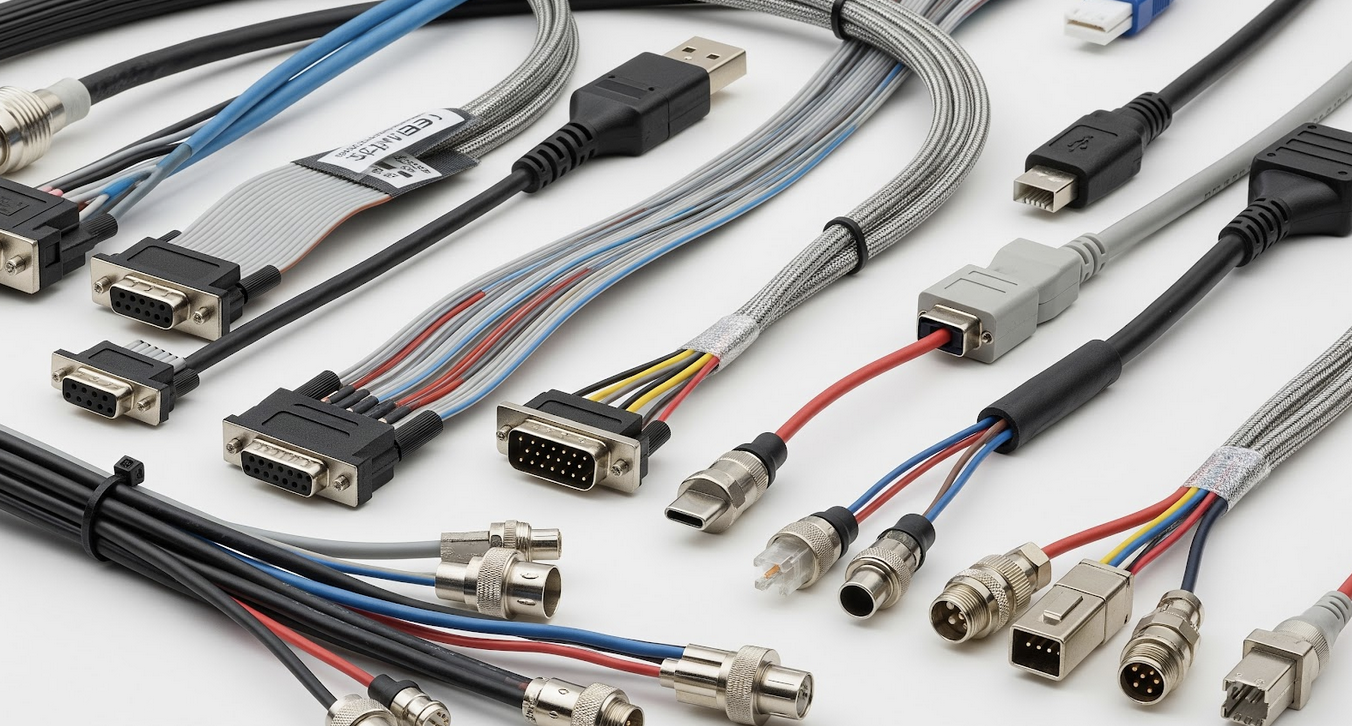
Robotics is no longer limited to research laboratories with large budgets. The growth of DIY robotics communities has been fueled by better online documentation, open-source hardware platforms, and easier access to specialized components.
Finding reliable cable assemblies for robots—the kind that can handle repeated flexing, tight tolerances, and demanding environments—once required digging through catalogs or contacting distributors. Today, specialized online suppliers allow builders to specify and order the right components quickly and conveniently. This can be especially valuable when you are in the middle of a project and need the correct part without delay.
9. Collaborative Whiteboarding Tools
Miro, FigJam, and Mural have transformed how distributed teams brainstorm and plan. Virtual whiteboards have become a standard workspace for remote and hybrid teams, allowing sticky notes, diagrams, and design-thinking frameworks to exist in a persistent shared environment.
These tools may appear simple, but replacing scattered email threads with organized visual collaboration has had a measurable impact on how teams communicate, plan, and make decisions.
10. Browser-Based Video Editors
Video editing once required expensive software and a powerful local workstation. Tools such as CapCut, Descript, and Clipchamp have moved much of the process into the browser.
They now offer AI-powered features such as:
- Auto-captioning
- Noise reduction
- Scene detection
For content creators, marketers, and educators, this shift has been transformative, making what was once a technical and time-consuming process far easier to manage.
What It All Adds Up To
Accessibility is the common thread across all these tools. Each one simplifies something that was once technical, expensive, or time-consuming. As these platforms continue to evolve, more people can build products, learn new skills, and bring ideas to life without needing specialized expertise or large budgets.
You may not need all ten of these tools, but each represents a practical solution to a specific challenge. Often, the most creative technical work begins with having the right tool available, and today there are more options than ever to help people turn ideas into real products, projects, and businesses.
Disclaimer
The external links included in this article are provided for informational purposes only. While we strive to reference useful resources, iplocation.net does not control or maintain these third-party websites and is not responsible for their content, availability, or practices. Inclusion of any external link does not imply endorsement. Users should review the terms and privacy policies of any external sites they visit.
Featured Image generated by Google Gemini.
Share this post
Leave a comment
All comments are moderated. Spammy and bot submitted comments are deleted. Please submit the comments that are helpful to others, and we'll approve your comments. A comment that includes outbound link will only be approved if the content is relevant to the topic, and has some value to our readers.
Comments (0)
No comment