March 19, 2008
by IP Location
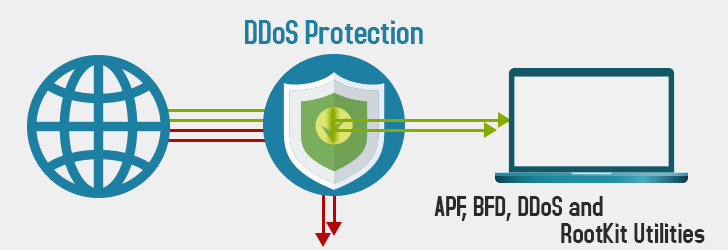
Being a web host, your servers are constantly being attacked by hackers by
denial-of-service (DoS) and other brute
force attacks. There is no foolproof
method to stop 100% of all attacks, but there are ways to protect your servers
by applying firewall rules, and detecting and banning attacking IPs.
March 18, 2008
by IP Location
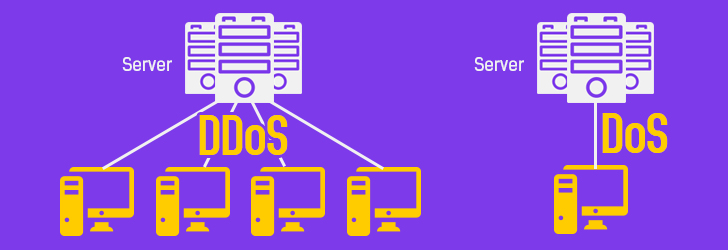
DoS attack, denial-of-service attack, is an explicit attempt to make a computer resource unavailable by
either injecting a computer virus or flooding the network with useless traffic. In simple words, it is similar to thousands of people trying to enter a room from a single entrance, ultimately causing havoc. This not only disturbs the normal operations o...
March 2, 2008
by IP Location
Changing a web host is nuisance, but there is no reason to tolerate less then optimum service from your current web host if you're not happy with them. If you plan ahead, changing a web host may not be too bad and can be done without downtime or email disruptions. The most important thing to note is not to cancel your existing account until you're done. Even...
March 1, 2008
by Scott Seong

When searching for a reliable web host, consider factors like server uptime, loading speed, customer support, scalability, security features, and pricing. Ensure the host aligns with your website's needs, whether it's a personal blog or e-commerce site, and check for user reviews and recommendations to gauge their reputation.
January 3, 2008
by IP Location
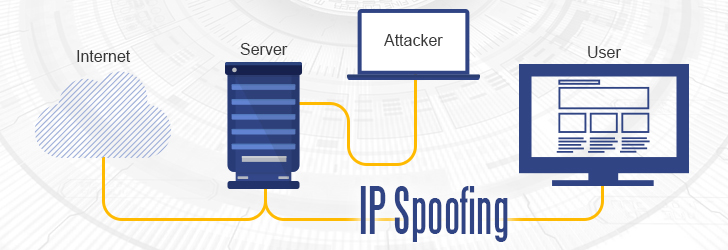
IP Spoofing is a technique used to gain unauthorized access to machines, whereby an attacker illicitly impersonates another machine by manipulating IP packets. IP Spoofing involves modifying the packet header with a forged (spoofed) source IP address, a checksum, and the order value. Internet is a packet switched network, which causes the packets leaving one...
November 10, 2007
by IP Location

Ipconfig is a MS-DOS command-line tool used to display and manage the network settings of your computer. Ipconfig is available on Windows machines, and it displays the current network connection details and DHCP client settings.
July 18, 2007
by IP Location

A Proxy server is a computer that sits between a client computer and the Internet and provides indirect network services to a client. A proxy server intercepts all client requests and provides responses from its cache or forwards the request to the real server.
May 25, 2007
by IP Location
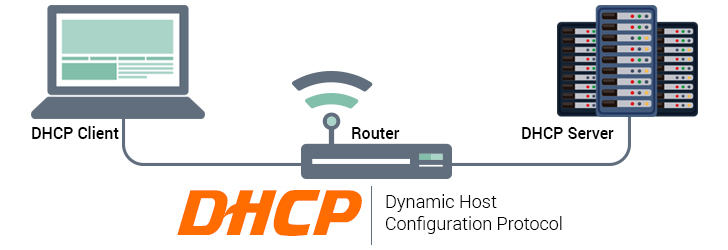
The Dynamic Host Configuration Protocol (DHCP) is a network protocol that functions at the application layer of the Internet Protocol (IP) suite. A server that uses DHCP will be able to dynamically assign IP Addresses and other network configuration parameters to devices on the network; thus, allowing communication to a second network. The protocol can be im...
April 8, 2007
by IP Location
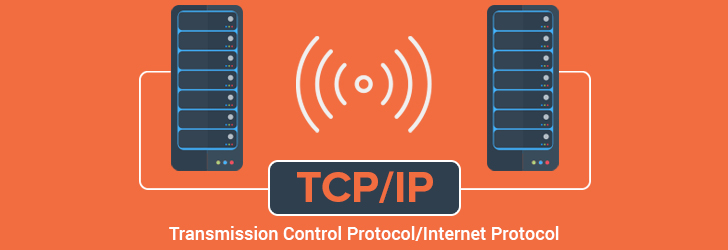
TCP/IP, Transmission Control
Protocol/Internet Protocol,
is the suite of two protocols, TCP and IP, used to interconnect network devices
on the Internet. The TCP performs the handshake between the network devices to establish a socket. The socket remains open during the communication. The source TCP converts the data into packets and sends them to the d...
March 18, 2007
by IP Location

MAC, Media Access Control,
address is a globally unique identifier assigned to network devices, and
therefore it is often referred to as hardware or physical address. MAC
addresses are 6-byte (48-bits) in length, and are written in MM:MM:MM:SS:SS:SS
format. The first 3-bytes are the ID number of the manufacturer, which is assigned
by an Internet stand...