March 27, 2026
by Shahid Latif

A filmmaker reviews footage from a recent shoot, noticing low-level hums and distant chatter affecting the final cut. Removing background noise from video and audio is necessary to achieve a polished, cinematic result. Fortunately, desktop tools now include AI audio noise, frequency-specific filters, and intuitive editing workflows.
March 16, 2026
by IP Location
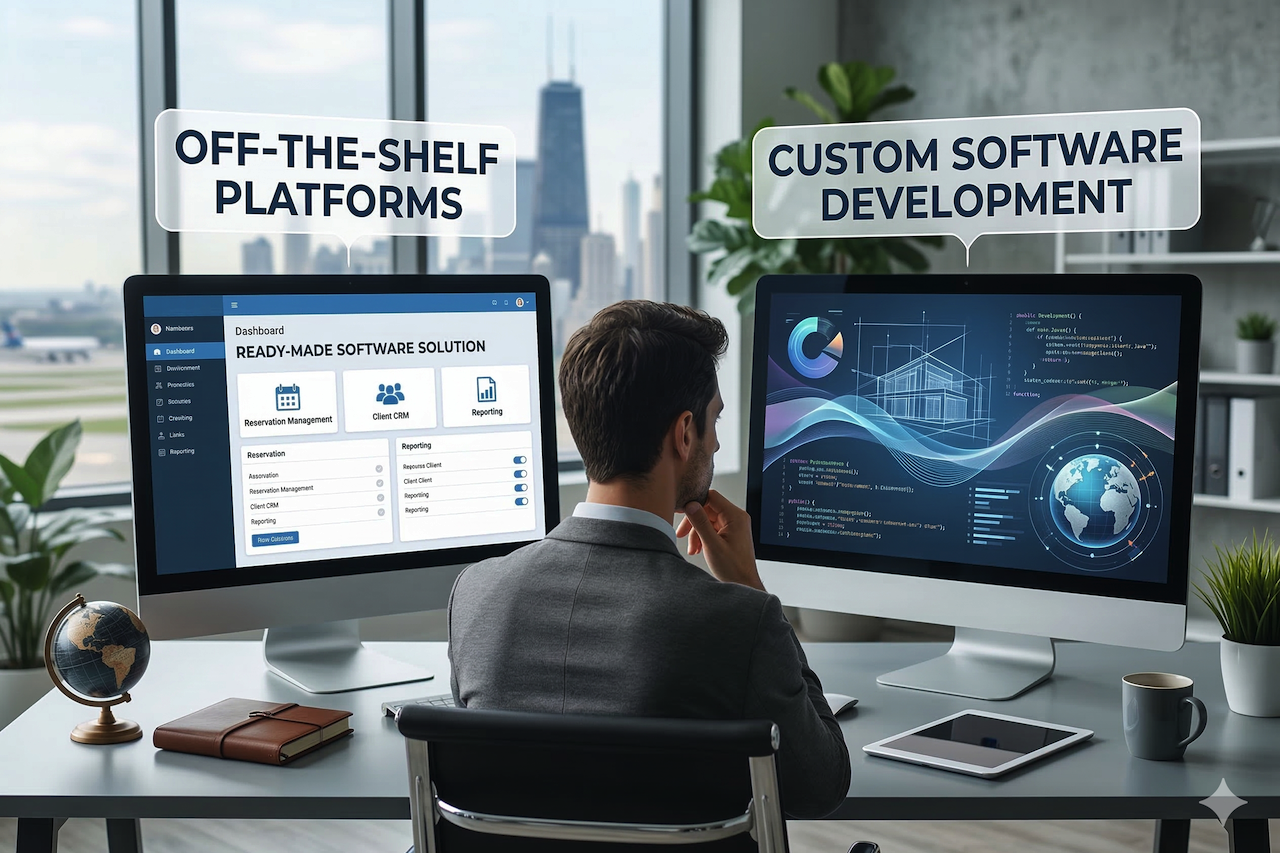
Modern travel agencies rely on technology as a core part of their operations. Travel agencies, tour operators, and booking platforms need software solutions that help them manage systems efficiently, improve customer experiences, and support business growth. As a result, many businesses explore options such as travel software development services alongside o...
March 11, 2026
by Usama Bin Qasim
Losing files is one of the most stressful things that can happen on a computer. Maybe you deleted a folder by mistake. Maybe your SD card stopped working after a long day of shooting photos. Or maybe your Windows PC crashed, and now it will not start.
March 10, 2026
by IP Location
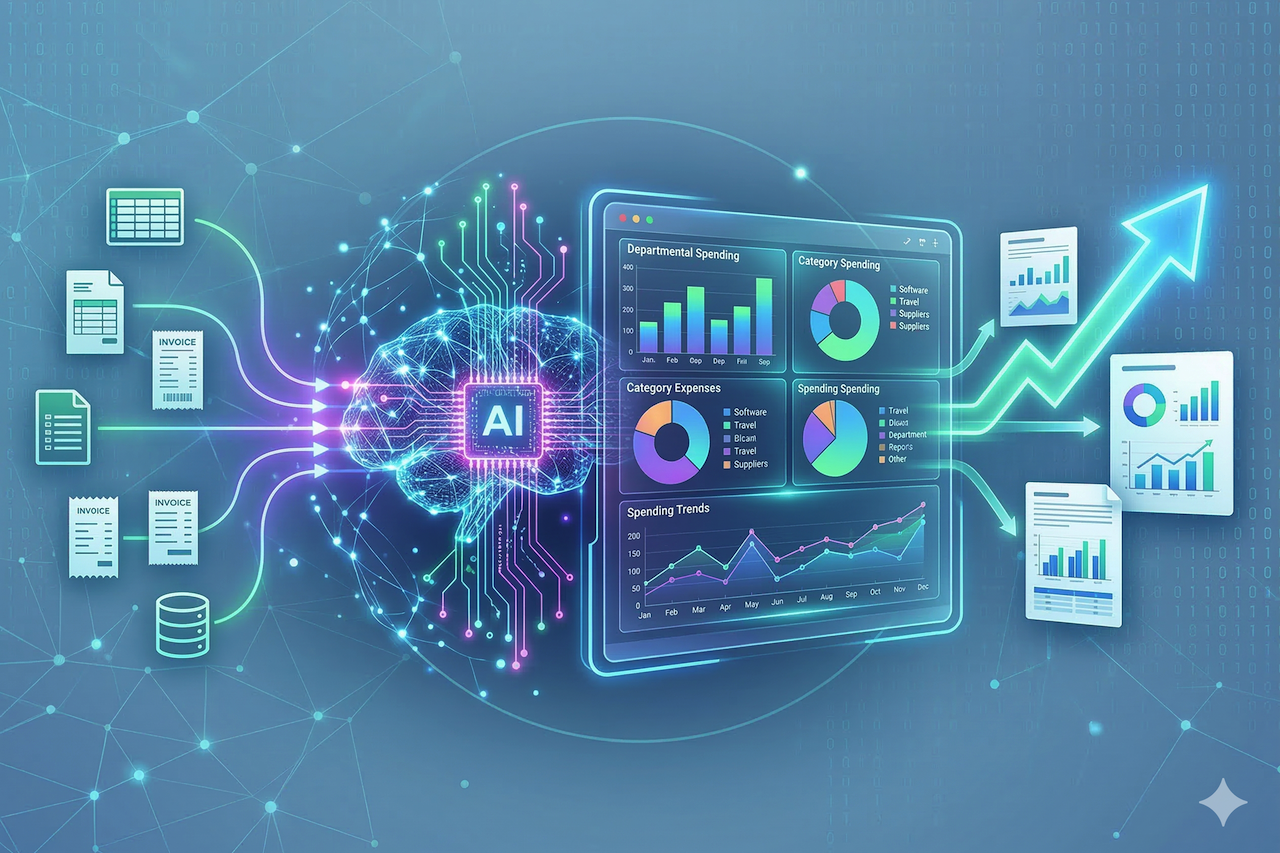
Artificial intelligence is rapidly reshaping the way organizations manage operations, analyze data, and make strategic decisions. One of the most impactful areas where this transformation is happening is financial management. As businesses generate increasing volumes of financial data, traditional methods of analyzing expenses and budgets are no longer suffi...
March 10, 2026
by IP Location

Supply chain teams usually get pulled into the same headline problems:
late shipments, stockouts, supplier delays, and rising freight costs.
But much of the disruption starts much earlier, in places that do not
even look like supply chain work at first glance.
February 25, 2026
by Thomas Lore

On a Monday morning in late 2024, a manufacturing plant in Ohio narrowly avoided a costly safety incident. A machine maintenance delay had shifted production schedules by several hours, but frontline workers never opened their email. Instead, the updated shift instructions appeared instantly on digital screens across the shop floor—clear, time-stamped, and i...
February 24, 2026
by John Kawecki

Source: Freepik
February 18, 2026
by IP Location
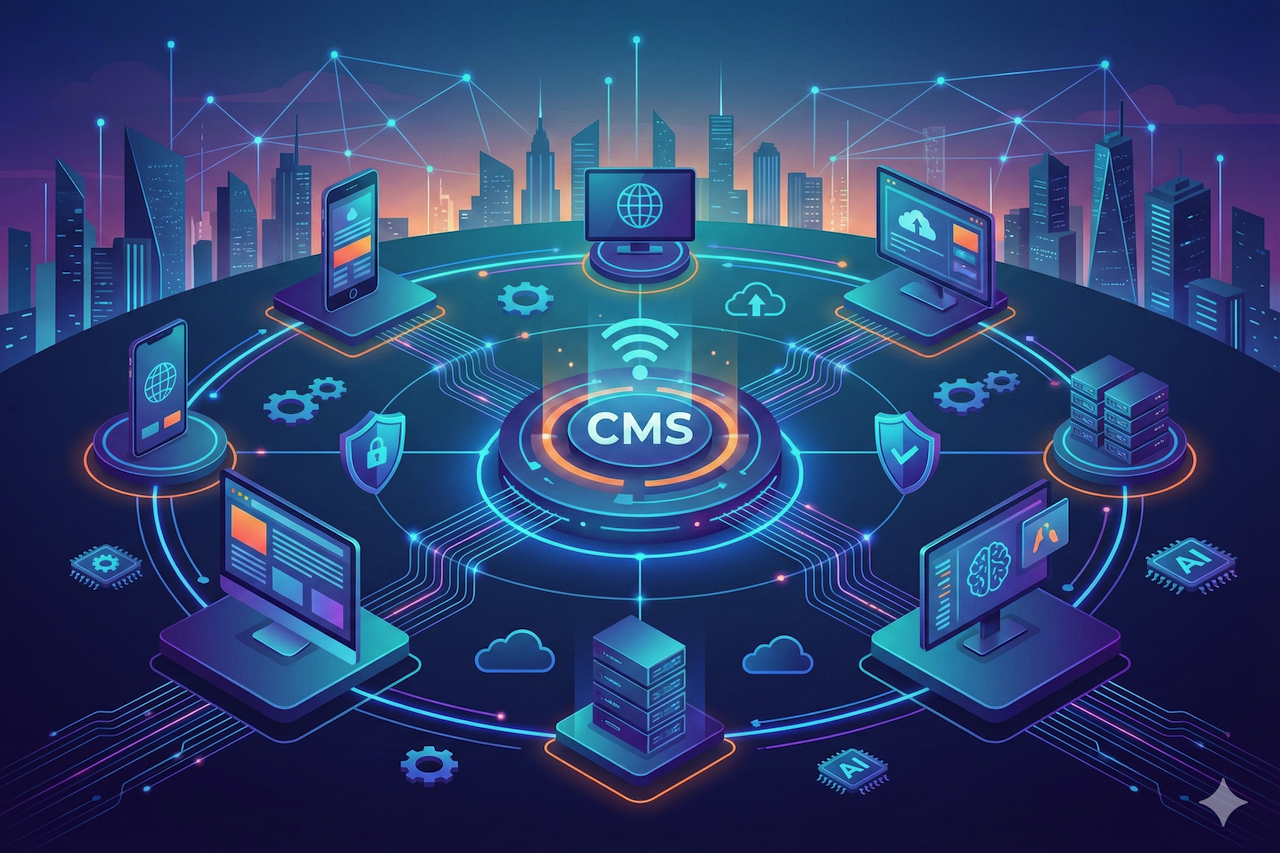
Content Management Systems (CMS) have advanced far beyond simple tools
for publishing websites. Today, these platforms serve as the foundation
of digital ecosystems that include mobile apps, APIs, connected devices,
and emerging digital interfaces. As user expectations continue to grow,
priorities such as security, performance, scalability, and seaml...
December 15, 2025
by IP Location

Just consider having two different worlds in your firm. In World A, a sales executive is celebrating making a massive renewal, which was recorded in Salesforce Sales Cloud. At the same time, in World B, a support agent is talking to a panicked client, unaware that the client will cancel the deal due to a debilitating support issue yet to be resolved. It is t...
December 15, 2025
by IP Location

Consider the situation: Sales has just finalized a large, complex subscription and usage-fee sale. Success! However, in the back office, there was panic. The quote for cash conversion is a nightmare - with different spreadsheets, an outdated billing system, and the torturous process of manual data cleaning to ensure that it meets such standards as ASC 606. T...