January 8, 2026
by IP Location

Right now, emergency rooms across many healthcare systems continue to
face pressure. Long waiting times remain common, and staff shortages add
to the problem. As a result, hospitals are increasingly turning to
artificial intelligence to better manage patient flow and daily
operations.
January 7, 2026
by IP Location
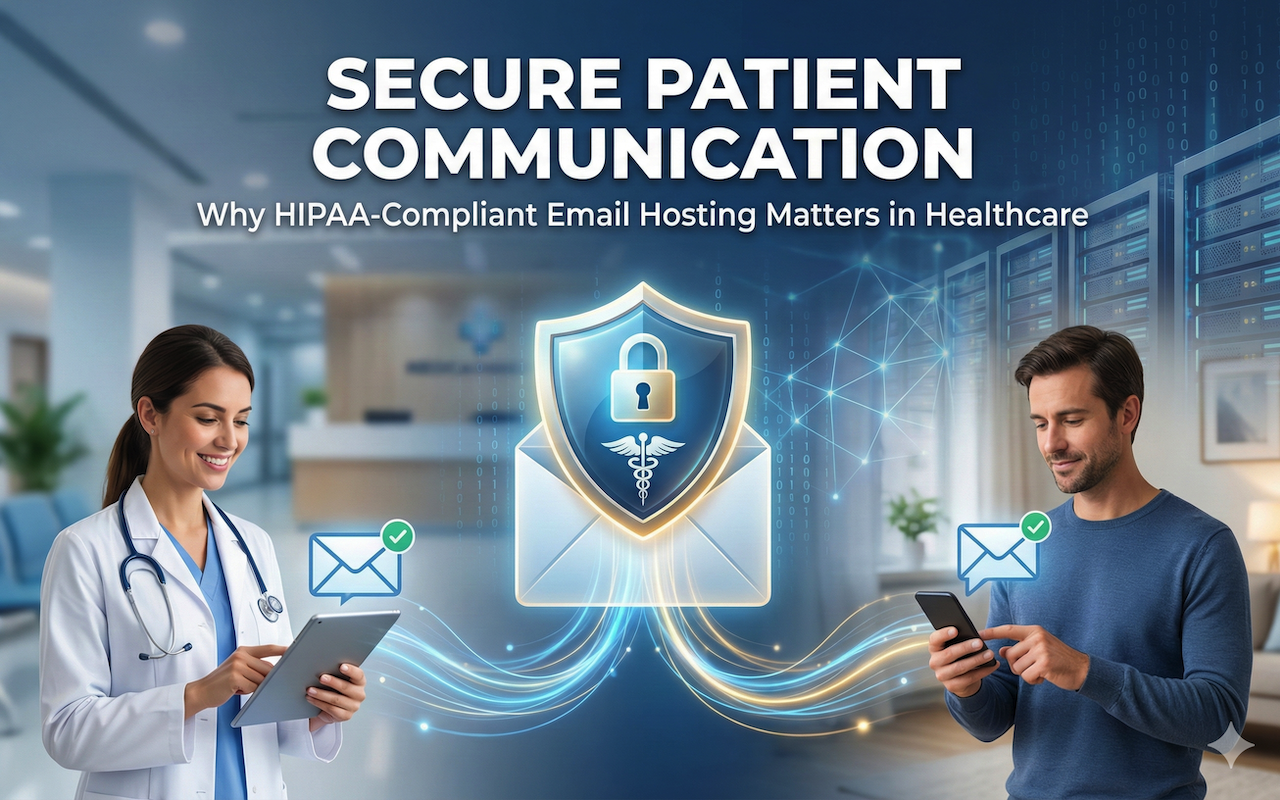
Email has been one of the most utilized communication media in
healthcare. Providers use email daily to support their operations,
including appointment notifications, care coordination, internal
communication, and more. Convenience, however, is not enough when
patient information is at stake. Healthcare institutions should ensure
that all digital c...
January 5, 2026
by IP Location

Deciding to enter treatment for substance use is a significant and often
emotional step. Many people feel uncertain about what the process
entails, especially when it involves living at a facility for an
extended period. Understanding what happens during inpatient rehab can
help reduce fear, set realistic expectations, and empower individuals to
mo...
December 16, 2025
by Victor Zhadan

The healthcare industry is experiencing one of the most dramatic
transformations in its history. Electronic health records, telemedicine
platforms, AI-powered diagnostics, and remote patient monitoring systems
are no longer futuristic concepts; they're essential tools that modern
healthcare providers depend on every single day. But here's the
chall...
December 16, 2025
by Victor Zhadan
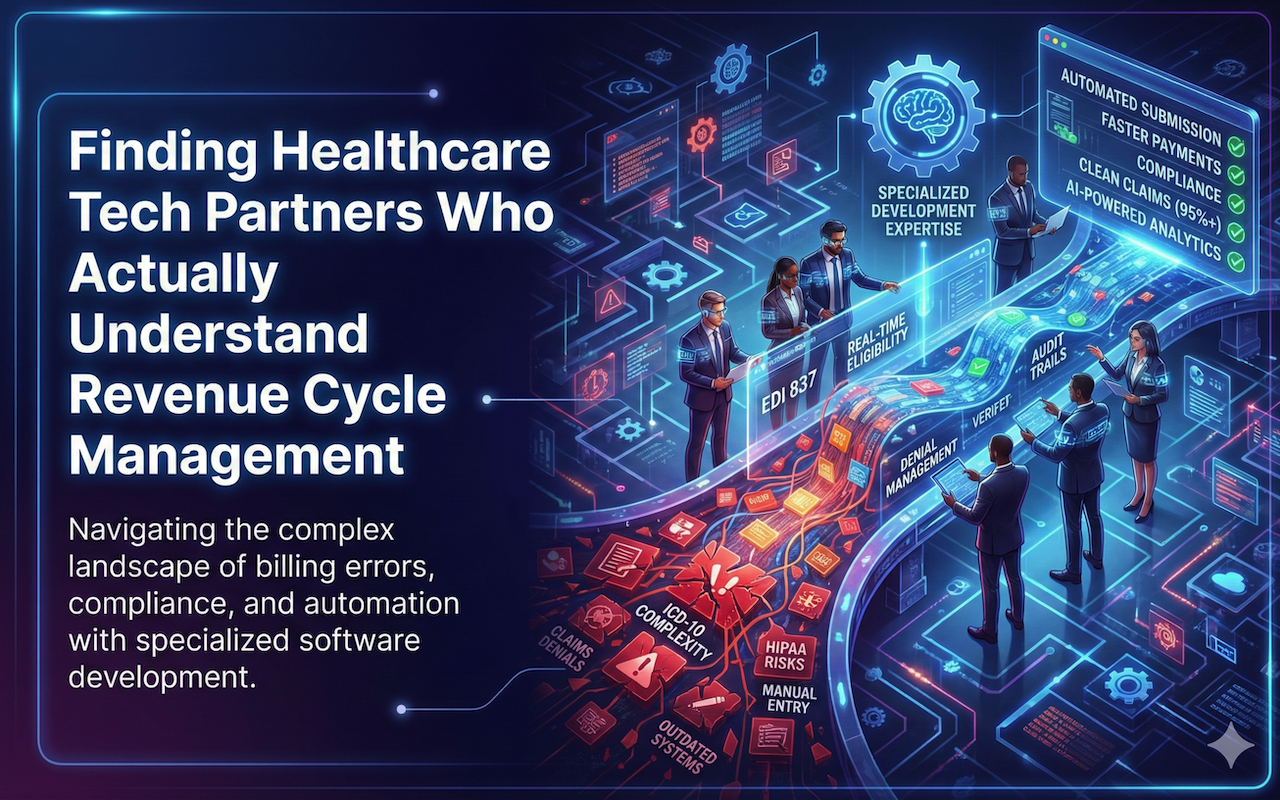
The healthcare billing landscape has become a complex minefield. Between
ICD-10 coding requirements, constantly shifting insurance policies, and
the push toward value-based care models, medical practices are drowning
in administrative overhead. Industry reports show that billing errors
cost the average practice 5-10% of annual revenue. Yet, most heal...
December 13, 2025
by IP Location
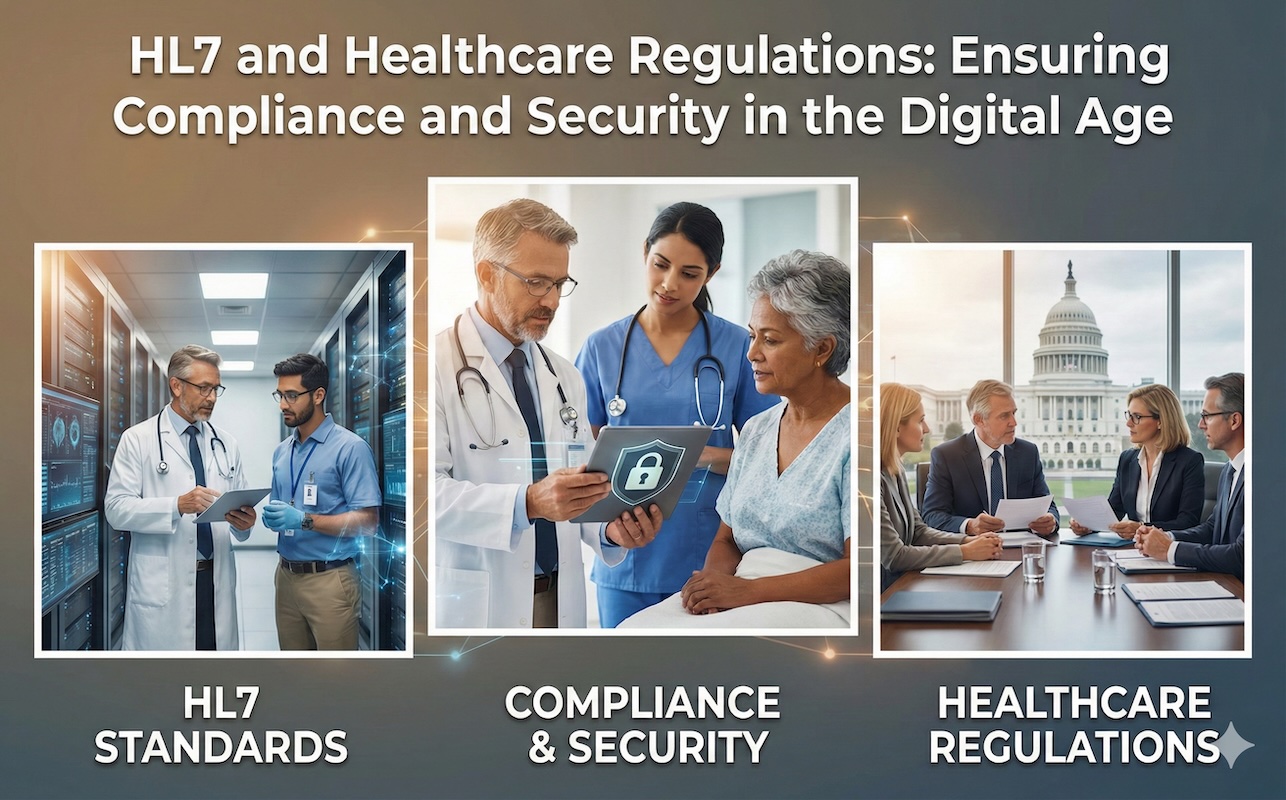
The healthcare industry is heavily reliant on the efficient exchange of data between disparate systems—whether it's between electronic health records (EHRs), laboratories, pharmacies, or medical devices. However, such widespread data exchange also comes with significant risks, especially when it involves the handling of patient data, which is inherently sens...
December 5, 2025
by IP Location
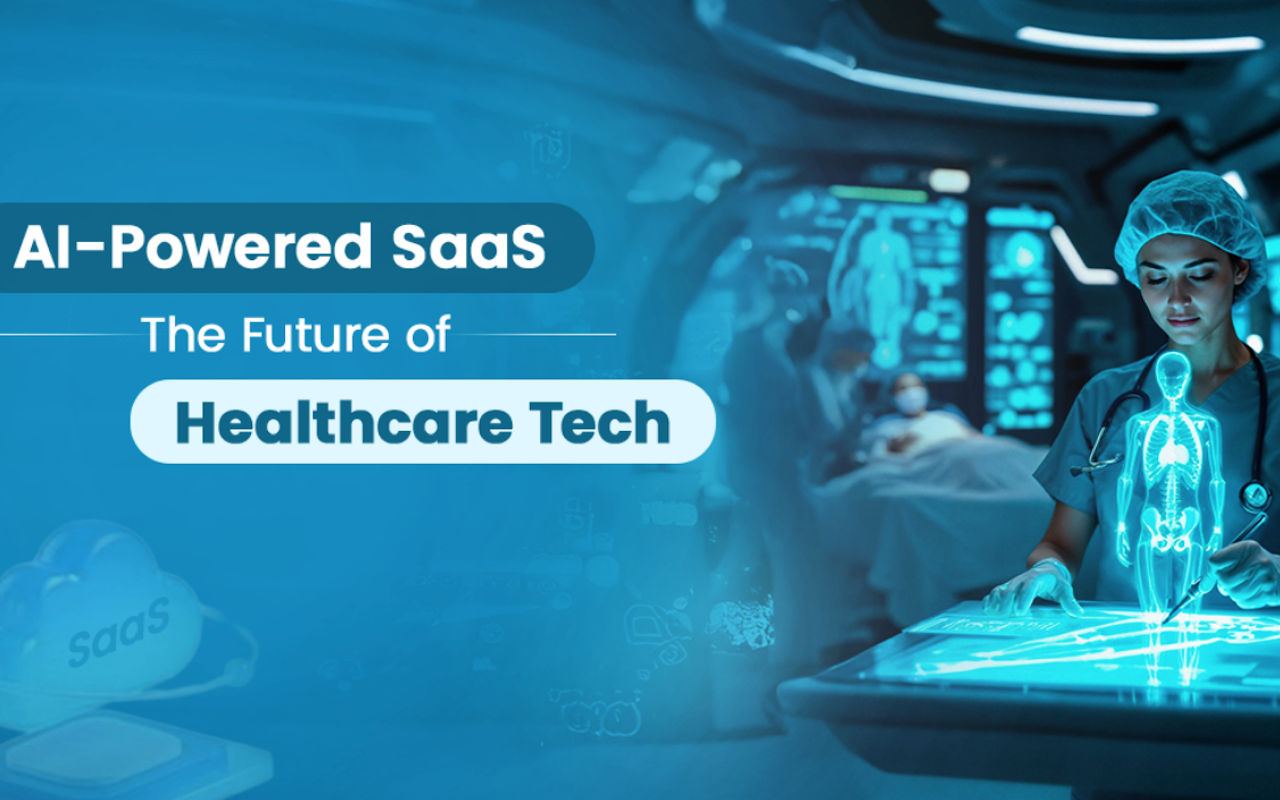
Imagine a hospital or clinic where doctors no longer spend hours reviewing patient notes or completing documentation. Instead, they can have natural conversations while AI listens, summarizes, and updates records in real time. Patients using telehealth platforms may interact with intelligent digital companions that track symptoms, forecast potential issues,...
December 3, 2025
by Benish Zulfiqar

Modern, digitally supported pharmacy workflows play a key role in
enhancing efficiency within the hospital environment. By automating
medication-related processes, hospitals can improve inventory accuracy,
reduce manual errors, and help clinical teams work more smoothly. These
improvements support better patient safety, data-driven decision-making,...
December 2, 2025
by IP Location
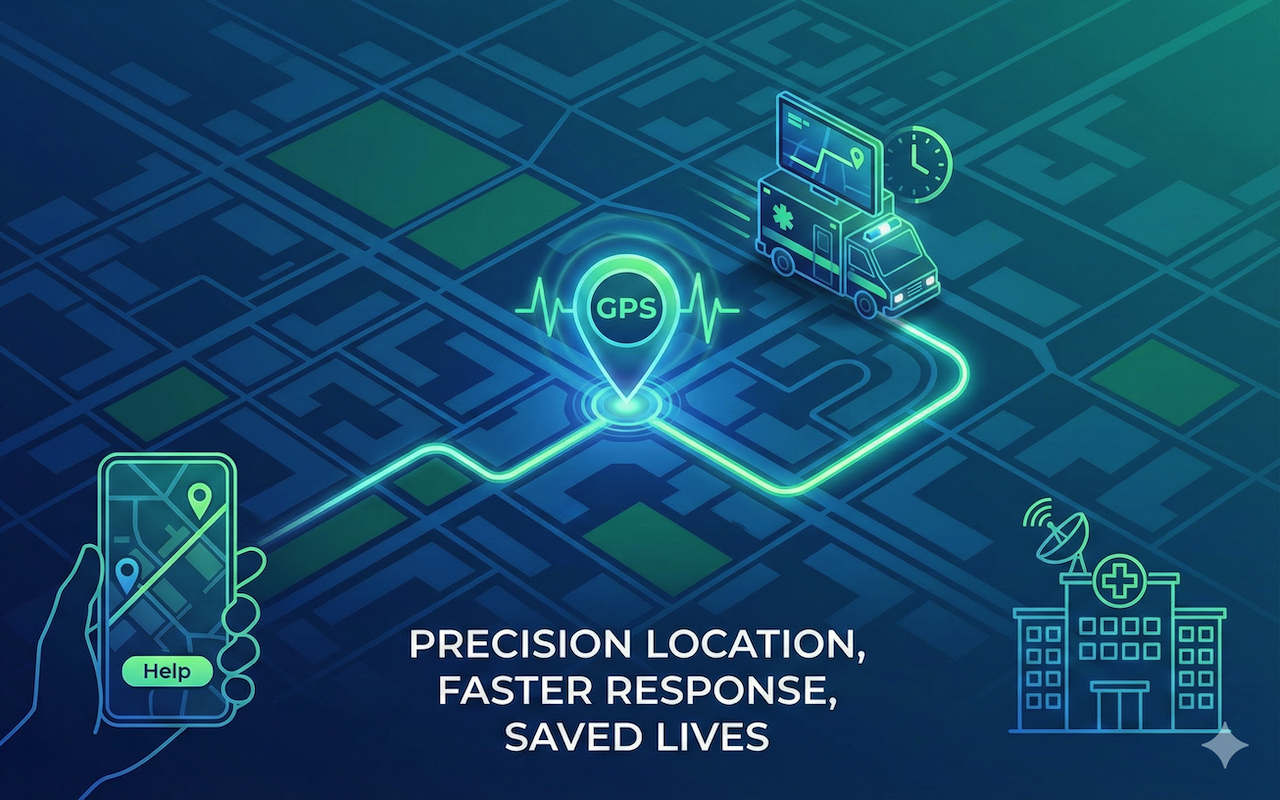
Time is an unreplenished resource during a medical emergency. It could
be a cardiac arrest, a car accident, or a highway crash, but the time
spent getting the patient's assistance is frequently the largest
determinant of survival. However, most of the delays in emergency
medical services (EMS) do not concern medical proficiency or ambulance
access!...
December 1, 2025
by Shahzaib Ansari

Managing the constant flow of Protected Health Information (PHI) is one
of the most significant challenges facing healthcare providers today.
This responsibility is not just a matter of patient trust; it is a legal
mandate with severe consequences for failure. The healthcare industry
continues to suffer the highest data breach costs of any sector, wi...