July 9, 2018
by IP Location

Since the WWW (World Wide Web) came into this world in 1990, fast growth is taking place in the professional, criminal and personal use of e-mails, the Internet, social networks, and computers. Those devices capture and create huge amounts of digital data which are stored in different places than most users realize. A user has less opportunity of terminating...
March 16, 2018
by IP Location
In the most rudimentary explanation, Single Sign-On authentication allows a single user to access multiple applications using the same credentials. Single Sign-On is also commonly referred to as "SSO". SSO is commonly used in enterprise-level systems that require access to multiple applications within the same Local Area Network, which is now expanded to inc...
November 28, 2017
by IP Location

Ransomware is a type of malware that locks users from accessing their data in their computer or any mobile device. To unlock their data, the users must pay a certain amount of ransom, this is mainly done by the payment method which uses Bitcoin. Although paying is an option in recovering your data, it is recommended not to pay because we cannot guarantee the...
November 8, 2017
by IP Location
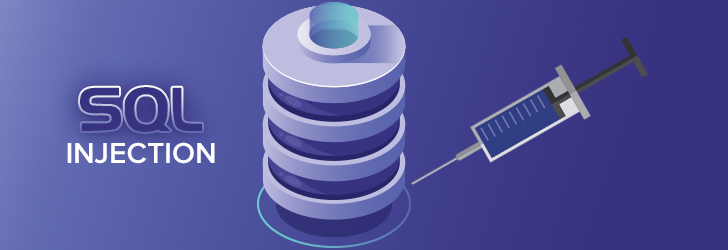
Explore the power and vulnerabilities of SQL (Structured Query Language). Discover how SQL revolutionized data management and the risks posed by SQL Injection attacks. Learn about the types of SQL Injection vulnerabilities and effective mitigation strategies to safeguard your data and applications.
October 12, 2017
by IP Location
The Address Resolution Protocol (ARP) Spoofing attack, also called ARP Cache Poisoning or ARP Poison Routing, is a technique by which an attacker sends spoofed ARP messages onto a Local Area Network (LAN). It is used to allow the attacker access to incoming internet traffic on a LAN by having their Media Access Control (MAC) Address be linked to the Internet...
October 10, 2017
by IP Location
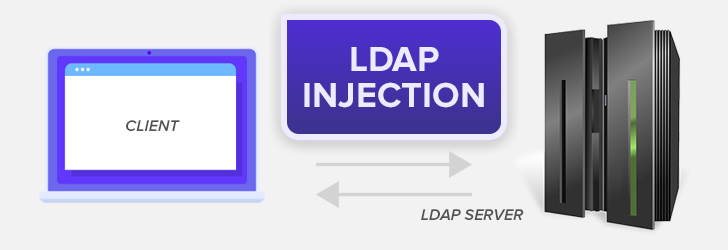
The Lightweight Directory Access Protocol (LDAP) is a standard application layer protocol in the Internet Protocol (IP) Suite used for accessing and maintaining distributed directory information services over a network. This is achieved by the protocol's methods to query and manipulate these directory services. Directory services are integral in setting up a...
October 6, 2017
by IP Location
· 1 comments
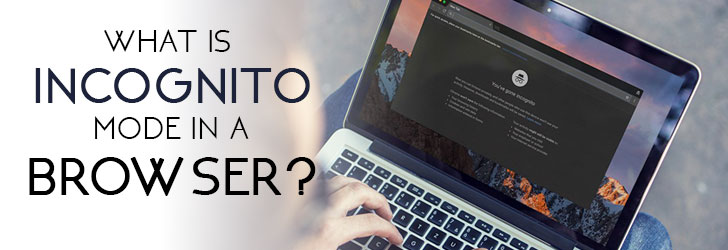
Incognito has a pretty catchy name - it sounds private, secure, and makes you feel like you can browse the web without leaving a recordable trace. However, the reality of incognito browsers is quite contrary.
September 17, 2017
by IP Location
· 2 comments
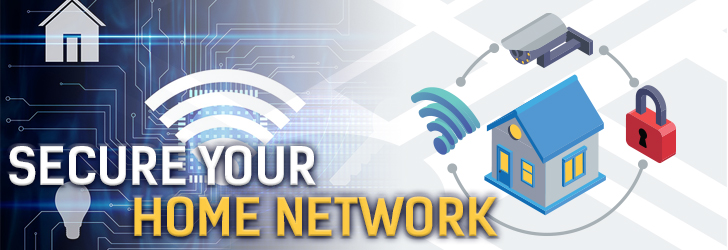
Our home router has become an internal part of the global communication footmark when the use of the Internet has developed to contain home-based telework, entertainment, personal financial management, social networks, school work, and businesses. The router facilitates the broadened connection. Almost all these devices are pre-configured by the company that...
September 16, 2017
by IP Location
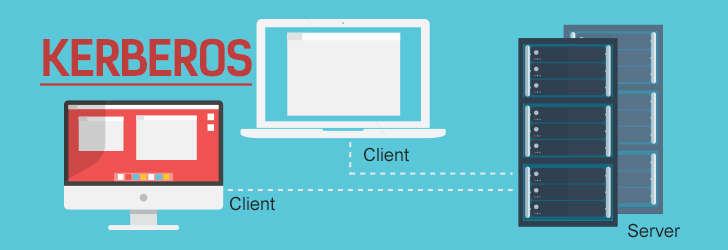
In simplest words, Kerberos is an authentication protocol which can service requests over an untrusted network such as the Internet. Kerberos formed its name from Greek mythology which was a three-headed dog that guarded the gates of Hades. Similarly, in Kerberos authentication, we have three heads representing
September 15, 2017
by IP Location

Cache Poisoning (or DNS Spoofing) is an attack technique where corrupted Domain Name Server (DNS) data is stored into the DNS Resolver’s cache and causes it to return an incorrect Internet Protocol (IP) Address. As a result of this, the network traffic is then redirected to the attacker’s (or any other) computer instead of the intended recipient. From here,...