April 9, 2026
by IP Location

The financial sector has undergone a remarkable digital transformation over the past decade, with technology reshaping how lenders assess risk, verify identities, and serve customers. At the heart of this evolution lies geolocation technology—a sophisticated system that maps IP addresses to real-world geographic locations. For business lenders, this technolo...
April 9, 2026
by Majidah Farsana
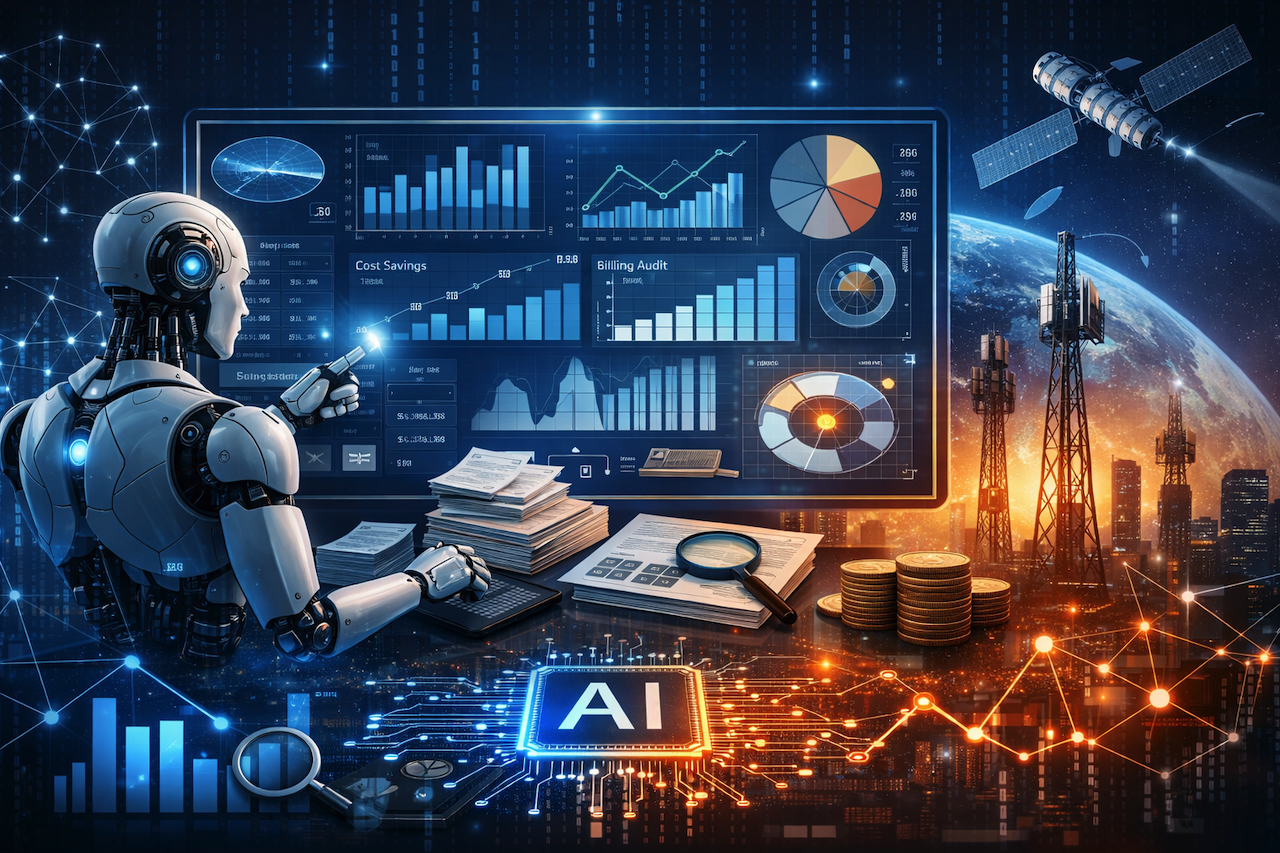
Telecom billing is one of those operational blind spots that quietly drains budget. Between fluctuating carrier rates, inconsistent invoice formats, and contract terms buried in multi-year agreements, even well-staffed IT and finance departments struggle to keep up.
April 9, 2026
by IP Location

Business analysis often starts with a familiar problem: you need to explain what customers want, but you cannot interview an entire market. Surveys help, but they are slow and can be biased by how questions are phrased. Focus groups are useful, but they are small. Sales data is real, but it arrives late, after decisions have already been made.
April 9, 2026
by IP Location

Students preparing for the GMAT deal with packed calendars. College
assignments, job responsibilities, and family obligations leave little
room for steady study. The exam checks more than textbook knowledge. It
tests the ability to stay focused for hours while solving quantitative
problems, reading complex passages, and interpreting data sets under...
April 9, 2026
by IP Location

Godlies sit at the center of everything in MM2. They're the main trading currency, the most recognized items in any lobby, and the first real target for players trying to build a serious inventory.
April 9, 2026
by IP Location

Online scams have never been more sophisticated. In 2026, cybercriminals are no longer relying on poorly written emails and obvious phishing pages. They are using deepfake technology, AI-generated voices, and highly personalized social engineering tactics that can fool even the most tech-savvy individuals. The result is a digital landscape where the line bet...
April 8, 2026
by Hetal Mehta

A couple of years ago, adding AI to your product meant wiring up a recommendation engine or a basic classifier. That was enough to sound innovative in a board meeting. Things look very different now.
April 8, 2026
by IP Location

Finding good design inspiration sounds easy until a designer actually needs it. Someone staring at a blank Figma file at 11 p.m., three days before a client presentation, knows the difference between a gallery that looks nice and one that actually moves the work forward. The sites below serve different purposes at different stages of a project, and that dist...
April 7, 2026
by Aiyla Eylül

The first version of the internet was a mere digital library. In 1989,
when Tim Berners-Lee created the World Wide Web, pages were static,
meaning they were coded by hand in HTML, served up on a server, and
passively consumed by whoever happened to stumble upon them. You were
able to read, but not to interact. You might go window shopping, but you...
April 7, 2026
by IP Location

The field of automation has moved way past the stage of using simple scripts and running tedious tasks. Businesses are instead seeking systems that can change, make decisions, and enhance their operations. This has brought two main concepts into focus: Robotic Process Automation (RPA) and Agentic AI.