

The AI Video Stack of 2026: Tools Ranked by Capability, Not Hype
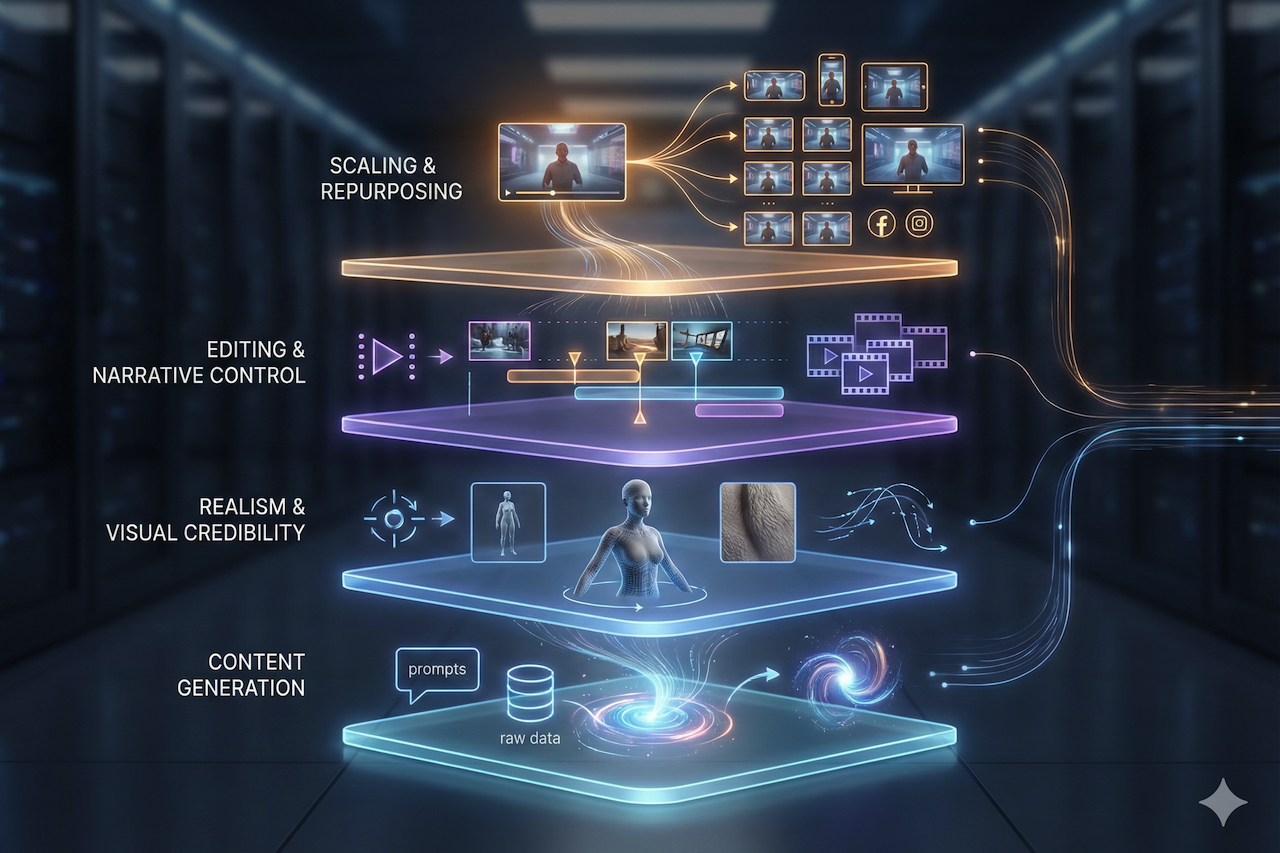
AI video generation has matured rapidly. By 2026, the market will offer dozens of capable platforms. Most can generate videos from text or images. Many claim to be all-in-one solutions.
This abundance creates confusion. Lists ranking tools from best to worst no longer help users make informed decisions. The fundamental difference between platforms lies in what part of the video creation stack they strengthen.
This article reframes the discussion. Instead of ranking AI video generators by popularity, it maps them by capability layers. Each layer solves a different production problem. Understanding these layers leads to better tool selection.
Why AI Video Tools Should Be Evaluated by Capability
Video creation is not a single task. It is a sequence of stages.
Some tools focus on generation. Others focus on realism. Others focus on control or scale. No single platform dominates every layer equally.
Creators and teams fail when they expect one tool to replace an entire production pipeline. Success comes from matching tools to the right layer of work.
The AI video stack of 2026 can be divided into four core layers.
Layer 1: Content Generation
From Prompt to First Draft
This layer answers one question: Can the tool turn ideas into usable video content quickly?
Key capabilities include:
- Text to video
- Image to video
- Automatic script or scene generation
Speed matters most at this layer. Output does not need to be perfect. It needs to exist.
Tools That Perform Well at This Layer
Loova

Loova performs strongly at the generation layer. It supports text, image, and video inputs and allows creators to select from multiple AI models. This flexibility makes it suitable for rapid ideation and early content drafts.
Sora
Sora focuses on large-scale generation for enterprise use cases. It automates scripts and structure but is less accessible for individual creators.
Wan AI
Wan AI prioritizes ease of use. It works well for quick generation but offers limited depth beyond the first draft stage.
Trade-off at this layer: Fast generation often sacrifices realism and control. This is acceptable early in the workflow but insufficient for final output.
Layer 2: Realism and Visual Credibility
Making AI Video Look Real
Once content exists, realism becomes the bottleneck. Viewers quickly detect artificial motion, flat lighting, or inconsistent characters.
This layer focuses on perception. Does the video feel real enough to trust?
Key capabilities include:
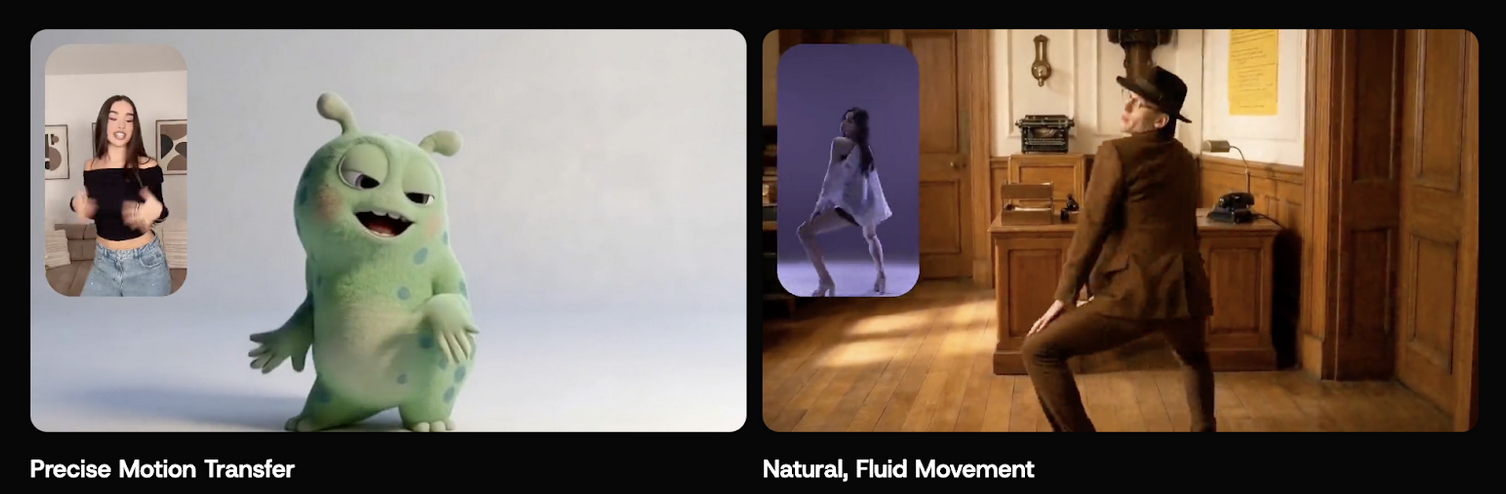
- Motion transfer
- Character consistency
- Light and texture behavior
Tools That Strengthen This Layer
Loova
Loova’s Mimic Motion feature plays a central role here. By transferring movement from reference videos, creators can simulate realistic gestures, unboxing actions, and body motion. This improves perceived authenticity without filming.
Kling AI
Kling provides fine-grained control over visual detail. It excels in realism but requires more setup and experience.
Runway ML
Runway supports experimental realism through its effects and compositional capabilities. It suits creators who prioritize visual innovation over speed.
Why this layer matters: Studies across commerce and short-form video show that realistic motion and lighting significantly increase viewer trust. Trust affects watch time and conversion.
Layer 3: Editing and Narrative Control
Turning Drafts Into Finished Videos
Generation and realism do not guarantee clarity. Narrative structure still matters.
This layer focuses on polish. Can the tool efficiently shape the story?
Key capabilities include:
- Intelligent cutting
- Scene selection
- Style consistency
Tools That Specialize Here
VEO 3.1
VEO 3.1 emphasizes automated editing and scene optimization. It performs well when teams need presentable results under tight deadlines.
Adobe Firefly
Firefly integrates AI effects into professional editing workflows. It benefits users already embedded in the Adobe ecosystem.
Trade-off at this layer: Automation reduces manual effort but limits creative deviation. These tools favor efficiency over experimentation.
Layer 4: Scaling and Repurposing
Turning One Video Into Many Assets
The final layer addresses scale. How efficiently can content be reused and distributed?
Key capabilities include:
- Short-form clipping
- Multi-platform adaptation
- Content reuse
Tools Focused on This Layer
Opus Clip
Opus Clip automates short-form extraction from long videos. It helps maximize reach but does not generate original content.
Pictory
Pictory converts written text or long-form content into videos. It supports scale but offers limited customization.
Why this layer matters: Distribution determines return on effort. Scaling tools amplify value from existing assets.
How to Use the AI Video Stack Effectively
No tool replaces the entire stack. Effective teams select tools based on their primary bottleneck.
- Creators focused on speed benefit from generation-first platforms like Loova.
- Teams prioritize the realism layer for motion and visual control.
- Marketing teams rely on automated editing for consistency.
- Growth teams depend on repurposing to scale reach.
Matching tools to layers reduces friction and improves output quality.
Conclusion: Stop Ranking Tools, Start Mapping Capabilities
The AI video market in 2026 is mature enough to move beyond simple rankings.
The right question is not which tool is best. The right question is which layer needs support.
By understanding the AI video stack and mapping tools to capabilities, creators and teams make better decisions. Tools become infrastructure rather than experiments.
In 2026, power comes from alignment, not hype.
Featured Image generated by Google Gemini.
Related Articles

January 15, 2026
How Story-Based AI Video Creation Works with Modern Text-to-Video Tools
Video creation is no longer limited to cameras, studios, or complex editing software. In 2026, more creators, educators, and marketers are producing narrative-driven videos directl...
Read More
September 15, 2025
Two Powerful Tools in the AI Toolbox: Video Face Swap API & YouTube Video Summarizer
Face swapping in videos and summarizing video material are two features that stand out in the rapidly changing environment of AI tools for developers, marketers, educators, and...
Read More
July 15, 2025
AI Studios vs. InVideo: What’s Better for YouTube Video Creation?
Production of quality YouTube videos no longer requires a complete production team. The capability of AI video platforms, such as AI Studios and InVideo, enables anybody to quickly...
Read More
Comments
Comments are available to signed-in users and are moderated to keep the discussion useful and respectful. Spam, automated submissions, and low-value promotional comments are removed. Outbound links may be approved when they are relevant and genuinely helpful to readers, but they are displayed as plain text rather than clickable hyperlinks.
No comments have been published yet.
Please sign in to submit a comment.