

How to Use an AI Video Maker to Grow Your Brand on Social Media
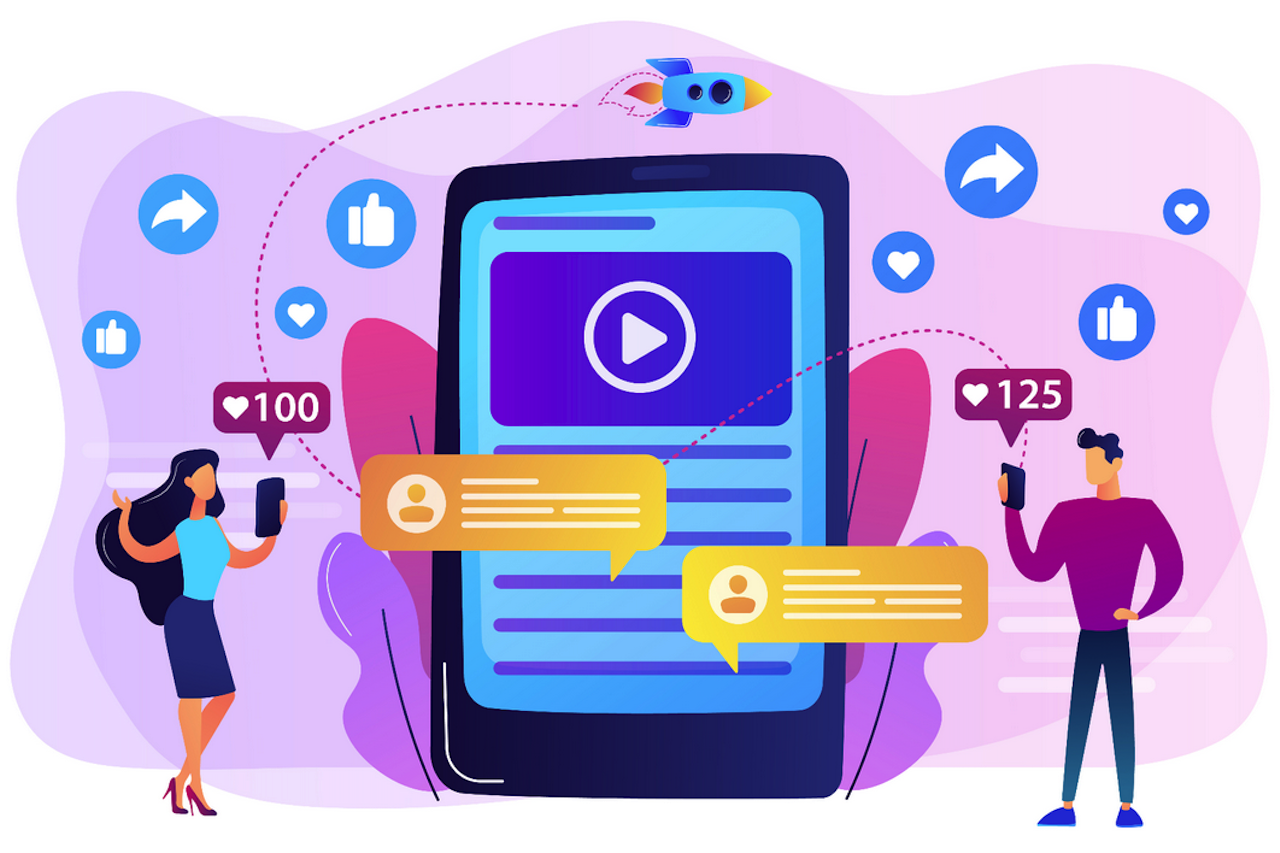
Over 124 million people now use AI video platforms every single month, and that number is climbing fast. Video is no longer a nice-to-have for brands. It is the primary language of social media, and businesses that are not publishing video content regularly are already falling behind. The good news is that you no longer need a production team, a studio, or a massive budget to create videos that stop the scroll.
AI video tools have made professional-quality content accessible to any brand, regardless of size. Whether you are a solo creator, a startup, or an established business, understanding how to use an AI video maker effectively can completely transform the way you show up on social media.
Why Video Is Non-Negotiable for Brand Growth
The numbers speak clearly. Video posts on social media receive 48% more views than other content types. Brands that use video also see 49% faster year-over-year revenue growth than those that skip it entirely.
Short-form content now accounts for 72% of all branded video uploads across social platforms. With platforms like Instagram, TikTok, LinkedIn, and YouTube all prioritizing video in their algorithms, publishing consistently is no longer optional. It is the baseline for visibility.
The Problem With Traditional Video Production
Traditional video creation is expensive, slow, and resource-heavy. You need a script, a camera setup, a voiceover artist, a video editor, and hours of post-production to get one piece of content out the door.
For most businesses, that process is not scalable. You cannot produce five to ten videos a week using a traditional workflow without a dedicated team. This is exactly why AI video tools have seen such explosive adoption in recent years.
What an AI Video Maker Actually Does
A modern AI video maker does far more than slap some text over stock footage. The best tools today handle the entire creative pipeline from start to finish.
You feed in your script, your brand assets, and your audio, and the tool handles research, storyboarding, motion design, voiceover, and editing automatically. Think of it as having a full creative team inside a single application. That is precisely the model behind tools like Agent Opus, which operates through a multi-agent workflow that covers everything from scriptwriting to video editing in a seamless flow.
How to Use an AI Video Maker Step by Step
Step 1: Start With a Clear Script or Story
Every great video starts with a clear message. Before you open any tool, know what you want to say, who you are saying it to, and what action you want the viewer to take.
Your script does not need to be long. Even 60 to 90 seconds of focused, benefit-driven messaging can outperform a five-minute rambling video. Keep it punchy, relevant, and audience-first.
Step 2: Upload Your Brand Assets
An AI video maker becomes significantly more powerful when you feed it your brand identity. Upload your logo, brand colors, product photos, or characters so the tool can weave them into the visual output.
This is what separates generic AI content from branded AI content. When your videos consistently reflect your visual identity, audiences recognize you instantly in a crowded feed. Brand consistency also builds trust, and 66% of online consumers report trusting brands that use personalized video content consistently across social media.
Step 3: Choose the Right Video Style for Your Platform
Different platforms reward different visual styles. A claymation explainer might perform brilliantly on YouTube but feel out of place as a LinkedIn company update. An animated B-roll works well for educational content, while a cinematic promotional video fits Instagram or TikTok ads perfectly.
The best AI video tools give you multiple style options to match the platform and tone you are targeting. Match your style to your audience, not just your content.
Step 4: Let the AI Handle Production
Once your inputs are in place, the AI takes over the heavy lifting. It generates motion graphics, syncs the voiceover to the visuals, applies transitions, and delivers a polished, ready-to-publish video.
This is where the time savings become dramatic. Over 62% of marketers who use AI tools for video production report cutting their content creation time by more than half. What used to take days now takes under an hour. Platforms are built around exactly this idea, running a full agentic pipeline so your video goes from script to publish-ready without jumping between five different tools.
Step 5: Review, Refine, and Publish
AI gets you 80-90% of the way there in a fraction of the time. Your job in the final step is to review the output, make small tweaks to match your brand voice, and hit publish.
Do not over-engineer the review process. Speed and consistency matter more on social media than perfection. A good video published today beats a perfect video that never gets made.
Types of Videos That Drive Brand Growth on Social Media

Not all video content serves the same purpose. Here are the formats that consistently perform well for brand building:
- Promotional Videos: Showcase your product or service with real visuals and benefit-driven messaging. These work well for ads and awareness campaigns.
- Explainer Videos: Break down a complex topic, product feature, or industry concept in a visual, easy-to-digest way. These build authority and educate your audience.
- Audio-to-Video: Turn your podcast episodes, interviews, or recorded audio into fully produced social videos—a great way to repurpose existing content without starting from scratch.
- AI Ads: Create scroll-stopping ad content using your brand assets and a short script. Ideal for paid campaigns on Instagram, Facebook, and TikTok.
- Animated B-Roll: Add animated visuals to your existing footage to make it more dynamic and visually engaging. Works especially well for educational or science-based content.
How Often Should You Post Video Content?
Consistency beats frequency. It is far better to post three well-crafted videos a week than seven rushed ones that feel off-brand.
Use an AI video maker to build a content buffer. Batch-produce videos in a single session and schedule them throughout the week. This keeps your brand active without burning out your team or your budget.
The ROI of AI-Powered Video Marketing
The business case for AI video is strong. AI-generated videos cut marketing campaign launch timelines by 41% across social media channels. Businesses using AI-driven video marketing also report an 82% increase in ROI compared to traditional video creation methods.
The AI video generator market itself was valued at nearly $790 million in 2025 and is projected to reach $3.44 billion by 2033. The brands getting ahead now are the ones building their AI video workflow before it becomes the universal standard.
Final Thoughts
Social media is video-first, and that is not changing. The brands that will win in this environment are the ones that can produce quality content at speed, maintain brand consistency, and show up for their audience without burning through resources.
An AI video maker removes every barrier that once made video production difficult. From the script to the final cut, the entire workflow is now accessible to anyone with a clear brand message and the willingness to press publish. Start building your video content engine today, and let AI handle the heavy lifting while you focus on the strategy and story behind it.
Featured Image generated by ChatGPT.
Related Articles

February 17, 2026
Protect Your Social Media Brand Authenticity with an AI Detector
By 2026, social media platforms will be flooded with synthetic content. From automated influencer posts on Instagram to entire threads on X generated by Large Language Models (...
Read More
September 12, 2025
How to Create Pro-Level Content with Video Editing and Voice Changer Tools For Social Media Monetization
Within the crowded social-media ecosystem, the creation of pro-level content is one of the main gateways to accessing the monetization stage, whether through ad revenue or spon...
Read More
Comments
Comments are available to signed-in users and are moderated to keep the discussion useful and respectful. Spam, automated submissions, and low-value promotional comments are removed. Outbound links may be approved when they are relevant and genuinely helpful to readers, but they are displayed as plain text rather than clickable hyperlinks.
No comments have been published yet.
Please sign in to submit a comment.