

Digital Marketing in 2026: A Step-by-Step Strategy to Dominate Online
Digital marketing in 2026 requires a solid foundation of high-performance websites to execute AI-driven strategies effectively. As automation and artificial intelligence reshape increasingly competitive online environments, success is no longer driven by isolated campaigns. Instead, it depends on well-structured digital ecosystems built on strong technical foundations, high-quality content, and data-driven decision-making. To support this, many businesses invest in professional website development service providers to ensure their digital infrastructure is scalable, fast, and optimized for modern marketing demands.
This step-by-step guide outlines practical digital marketing strategies businesses can use to strengthen visibility, increase engagement, and remain competitive in a rapidly evolving digital landscape.
1. Define Clear and Measurable Digital Goals
Every effective digital marketing strategy begins with clearly defined objectives. Goals should be specific, measurable, and tied directly to business outcomes—such as increasing organic traffic, improving conversion rates, or expanding reach across multiple digital channels.
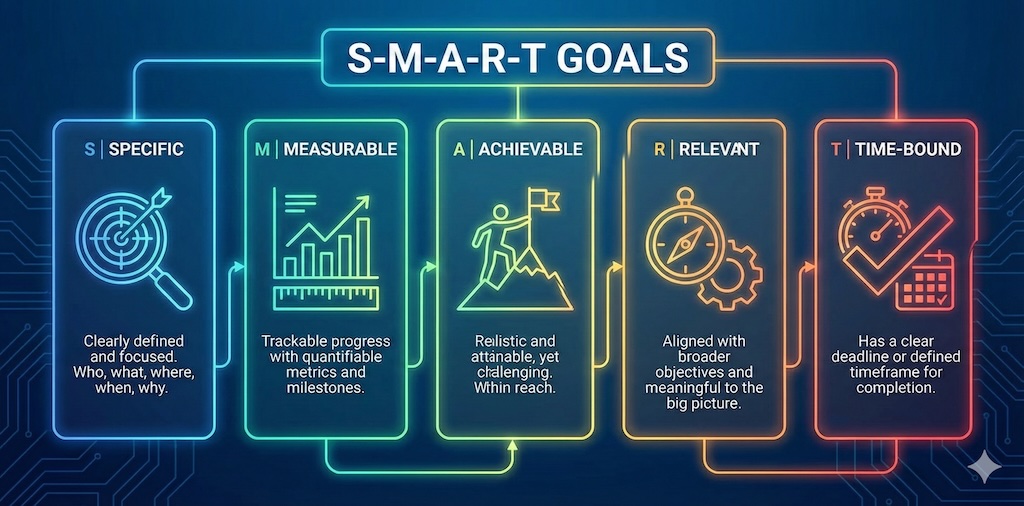
In 2026, goal-setting should also account for AI-driven discovery. This includes visibility in traditional search engines, social platforms, and AI-powered recommendation systems. Aligning goals with omnichannel user behavior ensures consistency across touchpoints and prevents fragmented marketing efforts.
2. Build a High-Performance Website Foundation
A fast, secure, and scalable website remains the backbone of digital marketing. Websites must be optimized not only for users but also for search engines, AI crawlers, and automated content discovery tools.

Modern website development should prioritize:
- Performance and page speed
- Mobile-first design
- Clean site architecture
- SEO and generative engine optimization (GEO) readiness
Platforms such as WordPress remain widely used due to flexibility, extensibility, and compatibility with AI tools, analytics platforms, and personalization engines. A well-built site enables marketing strategies to scale efficiently.
3. Develop Content Ecosystems, Not Isolated Pages
In 2026, content success depends on authority and context rather than volume. Businesses must focus on building content ecosystems made up of pillar pages and semantically connected supporting content.
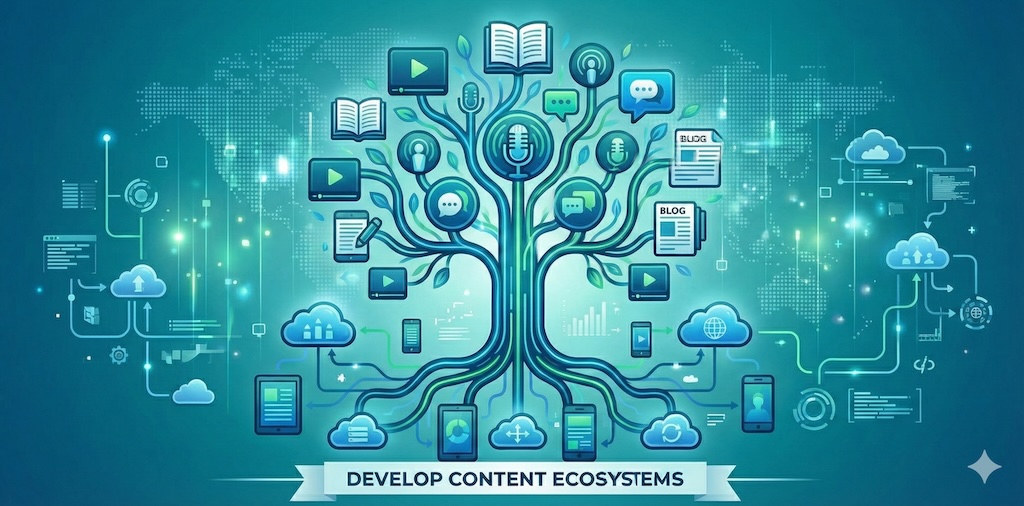
This approach:
- Strengthens topical authority
- Improves visibility across search, social, and AI-driven platforms
- Builds long-term trust with users
Human-centered, expert-driven content remains critical as audiences grow more skeptical of automated or purely promotional material. Interactive elements such as FAQs, personalization, and contextual recommendations enhance engagement when supported by a strong backend.
4. Execute Integrated Omnichannel Campaigns
Digital marketing channels no longer operate independently. Successful brands create unified customer journeys across:
- Search and social platforms
- Short-form and long-form video
- Email and marketing automation
- Conversational AI and chat interfaces
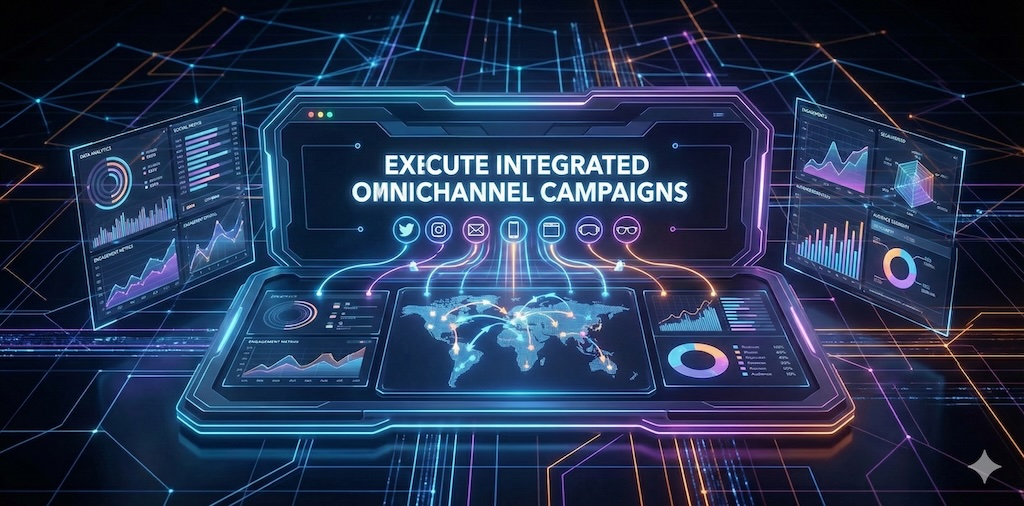
Consistency in messaging, timing, and experience across channels increases trust and conversion rates. Real-time analytics allow marketers to adjust campaigns dynamically based on performance and audience behavior.
5. Measure, Analyze, and Optimize Continuously
Sustainable online dominance requires constant measurement and refinement. Key performance indicators in 2026 extend beyond basic traffic metrics and include:
- Multi-touch attribution
- Engagement quality
- AI search visibility
- Customer lifetime value
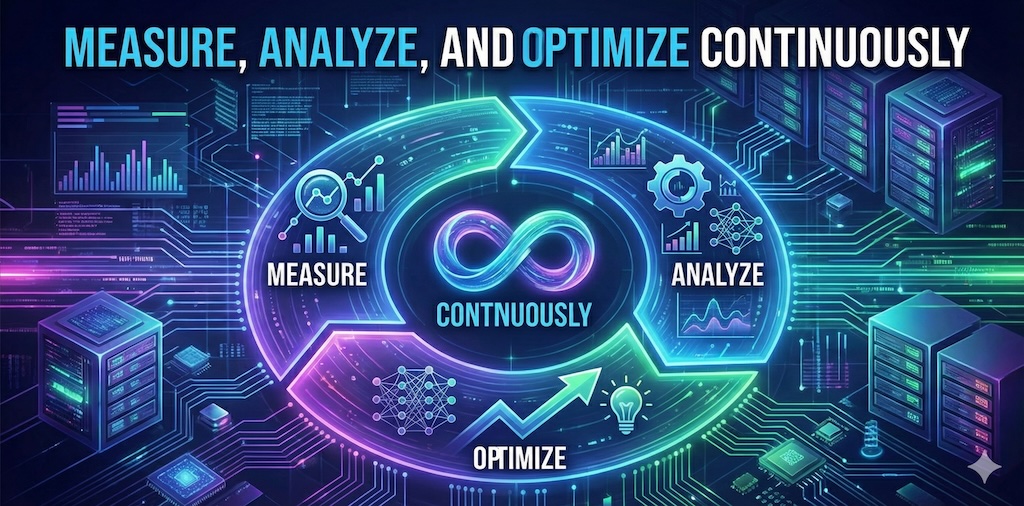
Regular audits, A/B testing, and performance reviews help identify what works and what does not. Optimization is no longer a periodic task but an ongoing process that adapts to algorithm changes, user expectations, and competitive pressures.
Final Thoughts
Digital marketing in 2026 is less about individual tactics and more about building adaptable systems. Businesses that invest in strong digital foundations, structured content strategies, integrated channels, and continuous optimization are better positioned to compete and grow.
Online dominance is achieved not through shortcuts, but through clarity, consistency, and strategic execution across the entire digital ecosystem.
Images generated by Google Gemini.
Related Articles
August 11, 2025
Why Your Startup Needs a Full-Funnel Digital Marketing Strategy
Launching a startup is exciting — you’ve got the product, the website, and maybe even some ad campaigns in motion. But if those ads aren’t converting, your cost per lead is climbin...
Read More
May 15, 2025
Why Accessibility Should Be a Core Focus in Your Digital Marketing Strategy
Making your website and content accessible is essential for any successful business. Accessibility ensures that everyone, including people with disabilities, can interact with your...
Read More
November 5, 2024
How to Use Data Analytics in Your Digital Marketing Strategy
Understanding how to use data analytics in digital marketing is essential for marketers aiming to make smarter, data-driven decisions that maximize results. Data analytics helps tr...
Read More
Comments
Comments are available to signed-in users and are moderated to keep the discussion useful and respectful. Spam, automated submissions, and low-value promotional comments are removed. Outbound links may be approved when they are relevant and genuinely helpful to readers, but they are displayed as plain text rather than clickable hyperlinks.
No comments have been published yet.
Please sign in to submit a comment.