

Games, Online Resources, Entertainment
Why Roblox-Style Games Make Familiar Ideas Feel New Again
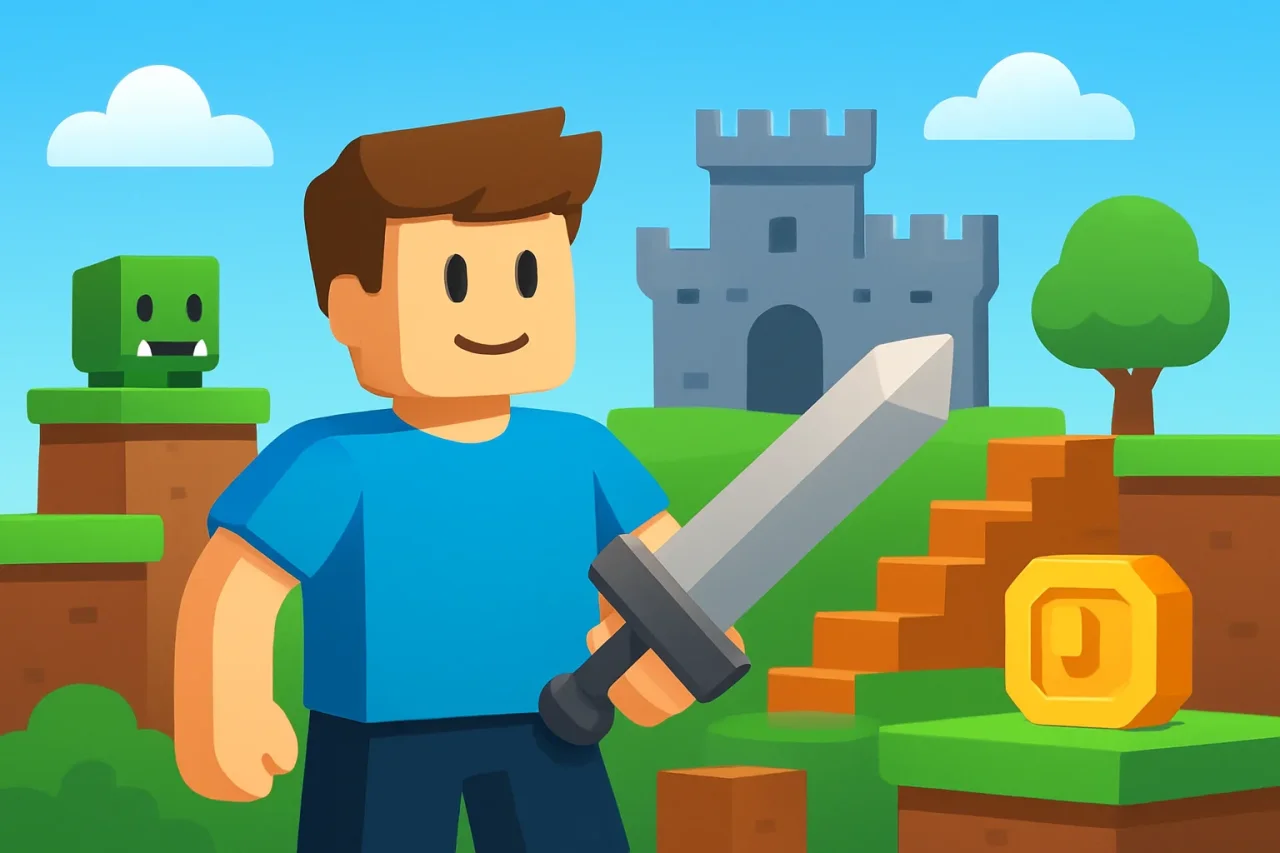
A lot of Roblox-style games sound familiar before you even click them. It might be an obstacle course, a tycoon, a survival round, a driving challenge, or a roleplay space. None of those ideas are brand-new. The interesting part is what happens after a creator starts bending the rules around them.
That is part of what makes browsing collections of roblox online games so entertaining. You may recognize the basic genre immediately, but the actual hook can be something stranger: a race with platforming elements, a simulator built around an unusual theme, a horror game that behaves like a puzzle, or a familiar progression loop set in a completely different world.
The result is a useful middle ground. Players do not have to learn everything from zero, but they also are not just replaying the same design with a different coat of paint. The familiar part gets you in quickly. The remix is what gives the experience its personality.
Familiar Mechanics Are a Shortcut, Not a Limitation
Using a known structure can save a game from spending its opening minutes explaining basic rules. If players already understand that checkpoints mean progress, coins buy upgrades, or a finish line means “get there first,” the design can move on to the interesting part faster.
Roblox’s official design guidance makes this point directly: matching recognizable genre patterns can reduce how much a game needs to explain upfront. The same guidance notes that users often jump between experiences, making a fast first-time experience especially important.
Familiar conventions act like shared gaming vocabulary. A creator can spend less time teaching the genre and more time answering the better question: what is different about this one?
Freshness Often Comes From Context
A mechanic can feel different when the context changes. Driving through a clean circuit is one experience; driving while the road collapses or the course becomes a platforming challenge is another. The steering is familiar, but the decisions are not.
The same logic works across genres. Collecting resources feels different when you are building a base than when you are escaping a monster. Platforming changes when speed matters more than precision. A simple hide-and-seek loop changes when players can alter the environment or when the map itself creates the threat.
This is where Roblox-style design gets a lot of mileage out of recognizable building blocks. A creator can combine systems that players already understand and let the interaction between them produce something new.
Genre Mashups Work Because Players Already Know Half the Rules
The clearest mashups keep one stable foundation and add one unexpected pressure. Racing can borrow obstacle-course logic, a simulator can add exploration, and survival can layer in puzzle-style item use.
Good mashups tend to have a few things in common:
- One genre provides the basic objective, so the player is never completely lost.
- The second system changes decisions rather than existing as decoration.
- New rules appear gradually enough that the original loop stays readable.
- The combination creates moments that neither system would produce on its own.
That last point matters most. Putting cars in an obstacle course is interesting only if driving changes how the obstacles work. The systems need to collide, not just sit next to each other.
Social Play Can Remix a Familiar Game Without Changing the Controls
Sometimes the fresh ingredient is not a new mechanic at all. It is another player.
A basic obstacle course feels different when friends are racing beside you. A building game becomes a place to compare progress. A simple horror chase turns into comedy the second somebody panics in voice chat. Even a game with familiar controls can create new stories because players are unpredictable in ways scripted systems are not.
Roblox’s own platform guidance emphasizes social interaction as a major part of the experience. The rules may repeat, but the people inside those rules keep changing the outcome.
Fast Prototyping Makes Weird Combinations Easier to Test
Another reason familiar ideas get remixed so often is practical: it is easier to experiment when you are not inventing every system from scratch.
Roblox’s documentation on prototyping describes prototyping as a way to test ideas early, iterate quickly, and find out whether the intended fun actually survives contact with a playable version. That matters for mashups because a combination that sounds great on paper may feel messy once the systems interact.
A creator can start with a recognizable loop, add one twist, playtest it, and see what happens. If it creates better decisions, keep it. If it only adds confusion, cut it.
The Best Remixes Change the Player’s Priorities
A fresh-looking theme is nice, but the stronger test is whether the remix changes what the player cares about from moment to moment.
Imagine two games with the same movement. In one, the goal is to reach the end safely. In the other, a timer and risky shortcuts change the priority. The controls barely changed, but the meaning of each choice did.
That is the difference between a reskin and a remix. A reskin changes presentation. A remix changes the meaning of familiar actions.
Familiarity Also Makes Experiments Less Risky for Players
For players, recognizable mechanics lower the cost of trying something odd. You already understand enough of the structure to start experimenting.
Game designer Jane Friedhoff argues in Game Developer that interesting mechanics can come from remixing inspiration, sensations, and familiar experiences, but the idea still has to be refined through simple prototypes and playtesting. That is a useful lens for Roblox-style games: novelty works best when the player can actually reach it quickly.
Browser access supports the same behavior. A player can try a strange genre combination for a few minutes without treating the choice like a major commitment.
A Quick Test for “Fresh” Versus “Just Different-Looking”
When a Roblox-style game claims to put a new spin on something familiar, a quick check can tell you whether the twist has real gameplay behind it:
- Can you explain the familiar core in one sentence?
- Does the new element change a decision the player makes?
- Do the two systems interact, or are they basically separate minigames?
- Does the twist keep creating new situations after the first few minutes?
- Would the game still be interesting if the novelty theme were removed?
If the answers are mostly yes, the game is probably doing more than dressing up an old idea. It uses familiarity as a base and builds a different play experience on top of it.
Old Ideas Stay Useful Because They Can Keep Moving
Game genres survive because their core ideas are flexible: racing keeps its movement and competition, tycoons keep their momentum, and horror keeps its uncertainty and pressure.
Roblox-style games do not need to replace those foundations. Their strength often lies in recombining them: change the context, add a social layer, borrow a system from another genre, or push a familiar mechanic into a situation where the usual strategy no longer works.
That is how an old idea starts feeling new again. The player recognizes the language, but the sentence is different.
Comments
Comments are available to signed-in users and are moderated to keep the discussion useful and respectful. Spam, automated submissions, and low-value promotional comments are removed. Outbound links may be approved when they are relevant and genuinely helpful to readers, but they are displayed as plain text rather than clickable hyperlinks.
No comments have been published yet.
Please sign in to submit a comment.