

Internet of Things, Geolocation, Safety
When a Dog Goes Missing, What Can Live GPS Tracking Actually Tell You?
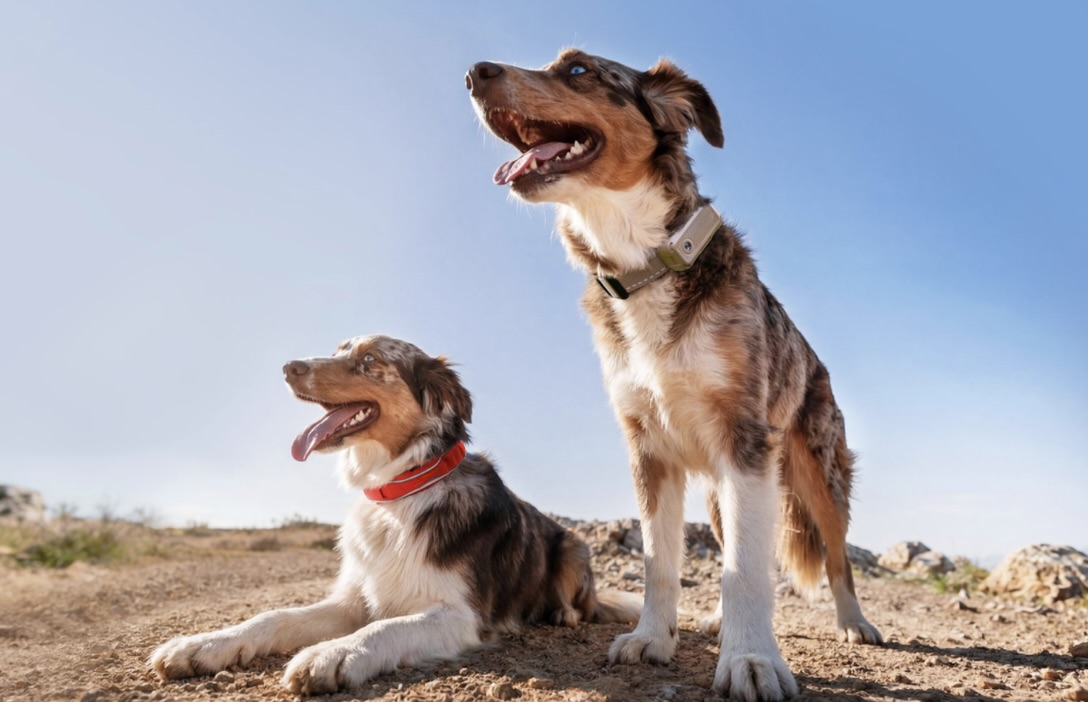
An open gate leaves a dog owner with several questions at once. When did the dog leave? Which direction did it take? Is it still nearby? Without a sighting, even choosing the first street to search involves guesswork.
Real-time dog tracking gives the owner another source of information. A recent location report can suggest where to start looking; further updates can help determine whether that starting point is still useful.
That is the practical case for GPS-enabled dog collars, whose features may include live location, location history, and fence-breach alerts. Devices such as the SATELLAI collar offer these tracking capabilities. During a search, these features serve a common purpose: helping someone decide where to direct their attention while the dog is still moving.
Following new information
Suppose an owner discovers that their dog has left the yard. The usual walking route seems an obvious place to look. But a recent collar report places the dog two streets in the opposite direction.
That information changes the first decision. The owner has a specific area to investigate instead of relying entirely on the dog’s habits.
The next update may be just as consequential. If the collar reports a position farther along the same street, the owner has a reason to adjust the search. If it continues reporting within one area, that area may deserve closer attention.
These are hypothetical examples, rather than results from a specific field test. They illustrate what makes live tracking useful: the search can respond to new information. A last-seen location remains fixed; a moving dog does not.
For someone searching on foot or coordinating with another person, that difference can matter more than the appearance of the map. The useful information is whether the latest report gives them a reason to keep looking nearby or move elsewhere.

A marker needs a time attached
A location pin can remain visible after updates have stopped. Its presence on the screen does not, by itself, confirm that the dog is still there.
Remote tracking depends on connectivity, and satellite positioning produces an estimate with its own limits. Buildings, tree cover and other surroundings can affect the available location information. A detailed map should therefore not be mistaken for proof that the collar can identify a particular driveway or the correct side of a fence.
The age of a report changes how it should be interpreted. A fresh position may support an immediate check nearby. An older one leaves more time for the dog to have moved.
Location history adds context when that happens. Earlier reports may show where the collar had been moving before the connection was interrupted. They can help explain how it reached the last reported area, although they cannot establish where the dog went next.
This is a useful distinction for any location-based service: current reports guide the immediate search, while historical records help reconstruct earlier movement. Treating both as equally current risks sending someone toward information that has already lost much of its value.
The search may begin with an alert
Sometimes the owner has not yet noticed the empty yard. In that situation, a fence-breach notification can be the first indication that something needs attention.
If the alert arrives promptly and someone sees it, the owner may be able to check the available location information sooner. That can reduce the uncertainty around when the dog left and provide a starting point before anyone has begun searching.
The alert and the location report contribute different pieces of information. One calls attention to a boundary event. The other helps the owner investigate where the collar is reporting from. Both still depend on someone responding.
Some GPS-enabled collars, such as the SATELLAI collar, include these capabilities within a broader virtual-fence system. For an owner concerned about finding a dog after an escape, however, the value of the dog is easy to assess: does it provide useful information early enough to influence the search?
Is that information worth paying for?
An identification tag helps someone contact the owner after finding the dog. Connected tracking can give the owner information to begin looking before that happens. Both can contribute to a recovery, at different stages.
That makes tracking a meaningful consideration for households that want visibility beyond a boundary alert. Knowing that a dog has left the yard raises an urgent question. A recent location report can help the owner begin answering it.
For devices that require an ongoing subscription, the cost deserves to be judged against that practical benefit. Reliable coverage and timely reports in the places the dog spends time matter more than an impressive-looking map. Published product specifications can establish what a tracker claims to offer; performance in a particular setting requires observation in that setting.
A tracker cannot retrieve a dog, and these features do not establish a guaranteed recovery time. The owner still has to interpret the information, reach the area, and locate the animal.
Conclusion
The strongest contribution of live GPS tracking is giving that effort a clearer direction. For a household worried about an unnoticed escape, the ability to start with a recent reported position and adjust as new reports arrive can be a substantial reason to consider a tracking collar. Its worth lies in helping the person searching make better decisions when there is little time to waste.
Comments
Comments are available to signed-in users and are moderated to keep the discussion useful and respectful. Spam, automated submissions, and low-value promotional comments are removed. Outbound links may be approved when they are relevant and genuinely helpful to readers, but they are displayed as plain text rather than clickable hyperlinks.
No comments have been published yet.
Please sign in to submit a comment.