

What Sleep Position Works Best for Sciatica Relief?
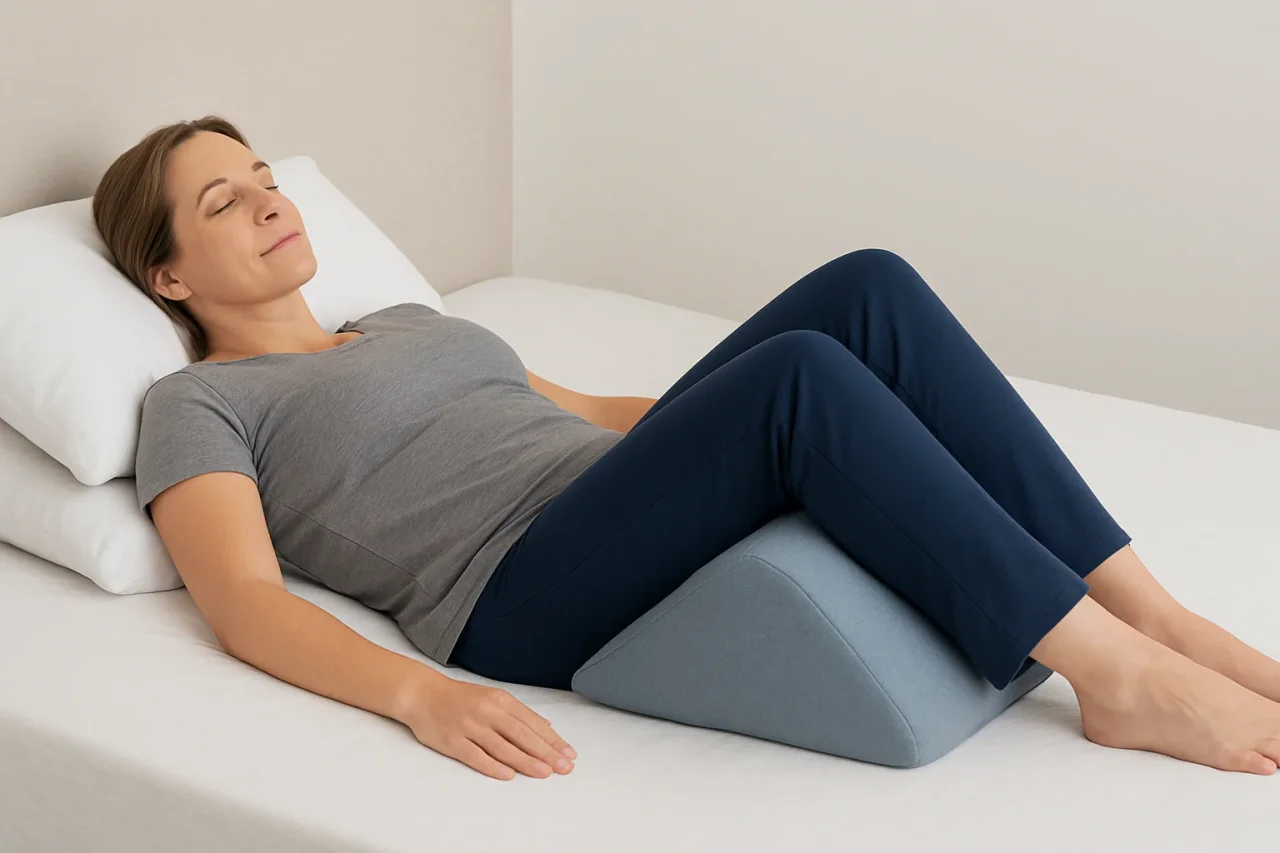
Sciatica can turn bedtime into one of the most uncomfortable parts of the day. Pain that starts in the lower back and travels through the hip or leg may become more noticeable after lying down for long periods. Poor sleeping posture can place additional pressure on the sciatic nerve, making it harder to relax and stay asleep. Fortunately, a few simple adjustments can improve spinal alignment, reduce strain, and help create a more restful night by supporting healthier spinal alignment during sleep.
Start With Elevated Back Sleeping
For anyone researching how to sleep with sciatica, elevated back sleeping is frequently recommended because it helps keep the spine in a neutral position. Raising the upper body slightly while supporting the knees can reduce pressure on the lower back and sciatic nerve. Elevation may also reduce pressure on the lower back by encouraging a more neutral spinal posture throughout the night. This position distributes body weight more evenly, allowing muscles to relax instead of working to support the spine while sleeping.
Positioning Tips
- Raise the upper body slightly with supportive wedges.
- Place a pillow beneath the knees to maintain the spine's natural curve.
- Keep the head and neck aligned with the shoulders.
- Move slowly when getting in or out of bed.
Support Side Sleeping the Right Way
Side sleeping can also provide relief when the body stays properly aligned. Placing a pillow between the knees helps keep the hips level and prevents the spine from twisting during sleep. Comfort may vary depending on which side is affected, so maintaining alignment is generally more important than choosing one side over the other. Keeping the shoulders, hips, and knees aligned reduces uneven pressure that may contribute to discomfort.
Choose a Full-Body Pillow System for Better Support
Standard pillows support individual areas but can shift as the body moves. A full-body pillow system uses side pillows, wedges, and a neck pillow to cradle the body, maintain alignment, and help prevent rolling into uncomfortable positions. It also supports stable back sleeping while keeping the upper body elevated. This type of support is especially useful for people managing chronic pain or recovering from surgery because it promotes consistent positioning throughout the night.
Create a Sleep Setup That Reduces Pressure
A supportive mattress and pillow arrangement work together to protect the spine while sleeping. The mattress should keep the body aligned without allowing the hips or shoulders to sink too deeply. Pairing the mattress with supportive pillows helps maintain even weight distribution and reduces unnecessary pressure on sensitive areas. A balanced sleep setup can also help reduce stiffness upon waking.
Avoid Habits That Can Make Pain Worse
Some nighttime habits may increase pressure on the sciatic nerve without realizing it. Sleeping on the stomach, using worn-out pillows, staying in the same position for hours, or sleeping on an overly soft or sagging mattress can place extra strain on the lower back. Gentle stretching recommended by a healthcare provider before bed, along with careful position changes during the night, may help the body settle into a more relaxed state.
Conclusion
Choosing the right support system can improve long-term sleep quality and make nightly rest feel more comfortable. Stable positioning, proper spinal alignment, and supportive sleep accessories work together to reduce unnecessary strain while encouraging better recovery after each night's sleep.
While no single sleep position works for everyone, elevated back sleeping and properly supported side sleeping are commonly recommended because they help maintain spinal alignment and reduce pressure on the sciatic nerve. Finding how to sleep with sciatica becomes easier by combining good positioning, supportive sleep equipment, and healthy bedtime habits. Small adjustments to the sleep environment can make each night more restful and help support lasting relief.
Comments
Comments are available to signed-in users and are moderated to keep the discussion useful and respectful. Spam, automated submissions, and low-value promotional comments are removed. Outbound links may be approved when they are relevant and genuinely helpful to readers, but they are displayed as plain text rather than clickable hyperlinks.
No comments have been published yet.
Please sign in to submit a comment.