

Cybersecurity, Cloud Services, Technology
What Keeps a Modern Business Running Behind the Screens
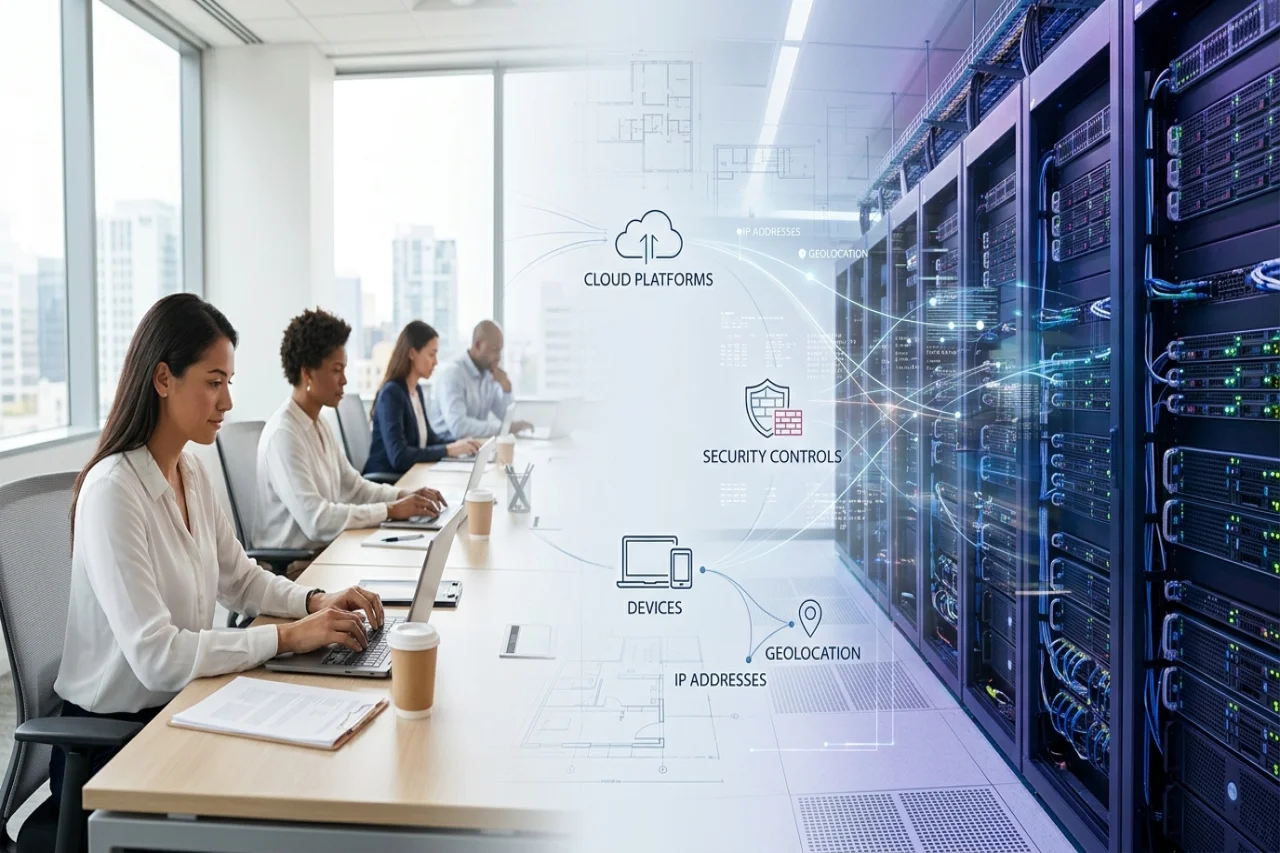
Most employees begin their day by opening a laptop, checking email, signing into applications, and accessing the information they need. When everything works properly, there's little reason to think about what makes those everyday tasks possible. The technology simply feels like another ordinary part of doing business.
Behind those screens, however, an enormous collection of systems is constantly working. Networks move information, cloud platforms connect employees, security tools watch for threats, and countless devices communicate with one another. A problem anywhere in that environment can quickly affect people who may never know where the problem actually started.
Keeping this increasingly complex environment reliable requires businesses to consider how infrastructure and security practices adapt to changing technology. Depending on their requirements, organizations may work with internal teams, cloud providers, or external technology companies such as SSE when addressing aspects of infrastructure, security, and access management.
The Infrastructure Employees Rarely Think About
Every click depends on technology most employees never see. Networks connect offices and remote workers, servers process information, cloud platforms host applications, and devices constantly exchange data so everyday tasks can happen without interruption.
Connectivity has also become more complicated as work has moved beyond traditional offices. Employees may access company resources from home, customer locations, airports, or mobile devices, creating an environment in which the old idea of a single, clearly defined corporate network no longer fits.
When these systems work together properly, technology fades into the background. Employees simply get their work done, which is exactly what reliable infrastructure is supposed to make possible.
Security Running Quietly in the Background
Modern cybersecurity isn't something that happens only when a suspicious email arrives. Protective systems operate continuously, controlling access, monitoring activity, updating software, backing up information, and looking for signs that something isn't behaving normally.
Access controls are particularly important because employees need different levels of information depending on their responsibilities. Giving people appropriate access while limiting unnecessary exposure helps reduce risk without creating constant obstacles to everyday work.
Much of this protection remains invisible to employees. That quiet operation is valuable because strong security should support productivity while creating safeguards around the systems and information the organization depends on.
When Technology Problems Become Business Problems
A technical failure rarely stays confined to the IT department. If an important application stops working, employees may be unable to serve customers, process orders, access records, communicate with colleagues, or complete time-sensitive work.
Slow systems can create similar problems on a smaller scale. A few minutes lost repeatedly throughout the day can add up across an entire organization, gradually reducing productivity and frustrating employees who depend on technology to complete basic responsibilities.
Security incidents can have even wider consequences. Disrupted operations, inaccessible data, customer concerns, and recovery efforts can turn a technology problem into an organization-wide challenge surprisingly quickly.
Keeping Technology Ready for What's Next
Technology requirements rarely remain unchanged for long. Businesses add employees, adopt new applications, expand locations, serve different customers, and adjust how teams work. Infrastructure that performed perfectly several years ago may struggle with today's demands.
Planning ahead helps prevent technology from becoming an obstacle to growth. Scalable systems, regular modernization, reliable support, and thoughtful technology decisions enable organizations to adapt without having to rebuild everything whenever their needs change.
The strongest approach connects technology planning directly with business planning. Instead of treating infrastructure as a collection of computers and software, organizations can evaluate how each investment supports productivity, security, customer experience, and future growth.
Conclusion
Modern businesses depend on an enormous amount of technology that most people rarely notice. Networks, cloud platforms, security controls, devices, backups, and support systems quietly make thousands of everyday interactions possible across an organization.
The importance of that infrastructure becomes obvious when something stops working. Even a relatively small disruption can affect employees, customers, communication, and productivity, which makes reliability and ongoing planning essential parts of business operations.
The technology people think about least is often doing some of the most important work. When infrastructure is secure, scalable, and properly maintained, employees can focus on their jobs while the systems behind their screens quietly keep the organization moving forward.
Comments
Comments are available to signed-in users and are moderated to keep the discussion useful and respectful. Spam, automated submissions, and low-value promotional comments are removed. Outbound links may be approved when they are relevant and genuinely helpful to readers, but they are displayed as plain text rather than clickable hyperlinks.
No comments have been published yet.
Please sign in to submit a comment.