

IP Address, Network, Geolocation
What is IPTV? How Internet Protocols Are Replacing Traditional Cable
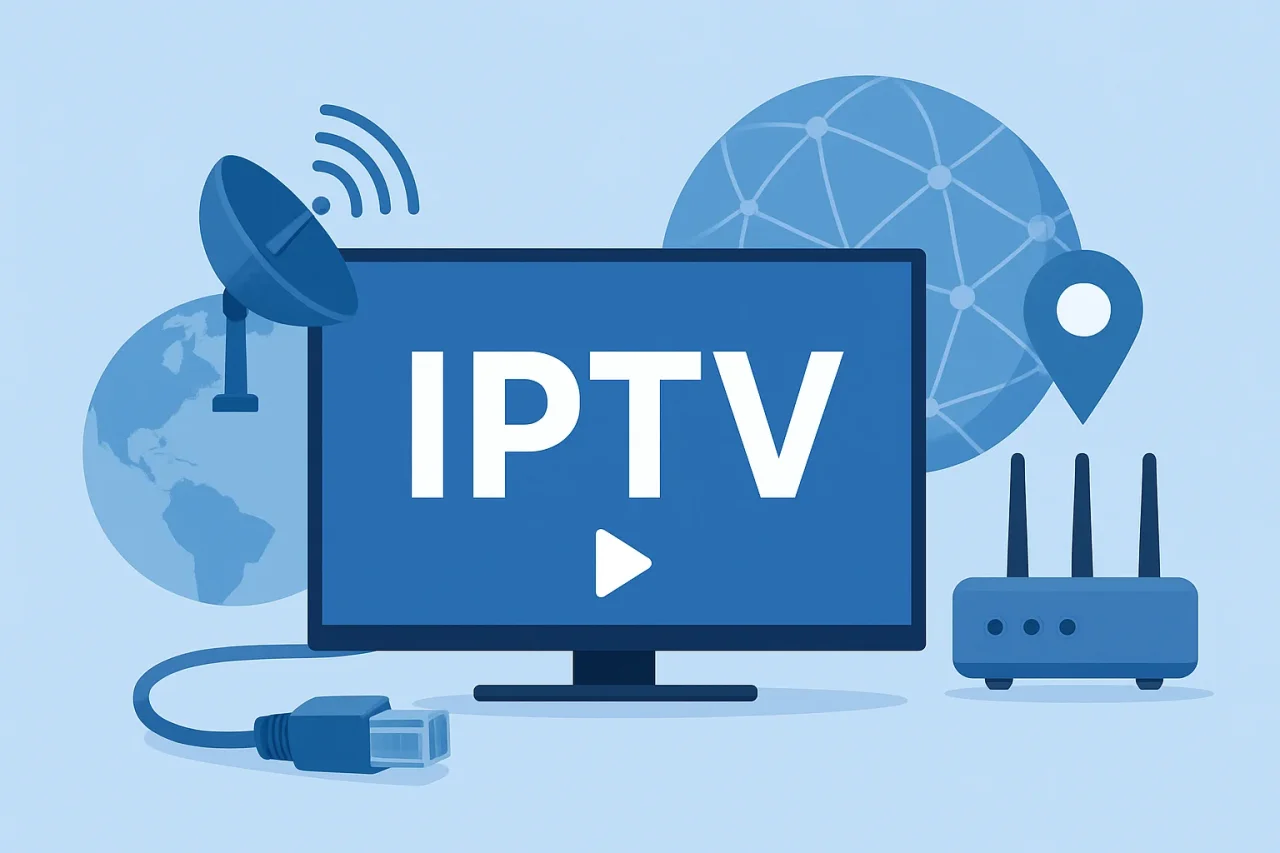
For decades, getting television into your living room required a massive infrastructure of copper wires, coaxial cables, and satellite dishes. Today, that bulky hardware is rapidly disappearing. Millions of households are upgrading to IPTV, a much more efficient technology that completely replaces traditional broadcasting.
The demand for internet-based television is surging globally, especially in North America. Viewers are eagerly seeking out high-definition, reliable streaming networks to replace expensive, outdated cable packages.
If you have noticed more people cutting the cord, you might be wondering how the technology actually works behind the scenes. In this article, we will explain how it uses your home IP network to deliver media and why your IP location matters for streaming quality.
Understanding the Basics: What is IPTV?
IPTV stands for Internet Protocol Television. While traditional cable broadcasts a signal simultaneously to every home in a neighborhood, IPTV delivers television content over private or public internet networks using the exact same TCP/IP protocols you use to browse websites or send emails.
When you click on a channel on an IPTV app, your device sends a specific request to the host server. The server then breaks the live video feed into small data packets and routes them directly to your specific IP address. This "unicast" method of delivery means you are only downloading the exact channel you are watching, which is highly efficient and frees up massive amounts of network bandwidth.
Why Your IP Location Matters for Streaming
Because IPTV relies entirely on internet protocols, your viewing experience is heavily tied to your IP address and geographical location. There are two major ways your IP location affects your stream:
1. Server Routing and Latency
The physical distance between your device and the IPTV provider's streaming server can affect video quality. When data packets must travel longer network paths, latency increases, which may lead to buffering, delays, or interruptions during playback. IPTV providers that use well-distributed server infrastructure can often deliver a smoother and more reliable streaming experience.
2. Geo-Restrictions and Local Content
Television broadcasting rights are strictly tied to geographical borders. Broadcasters use your IP address to determine where you are located. If your IP address shows you are outside of the allowed broadcasting zone, the feed will be geo-blocked. This is why many streamers use networking tools to verify their IP locations before logging into their media players.
How to Choose the Right Provider
The surge in cord-cutting has flooded the market with thousands of different media providers. However, not all streaming networks are built the same.
If you want a flawless, high-definition television experience, you must connect to a provider that utilizes dedicated servers located in your specific region. For example, if you want to watch local North American news or regional hockey broadcasts, using a premium IPTV provider ensures that the video data travels the shortest possible distance to your home IP address, completely eliminating network lag.
Furthermore, cheap, overseas providers often cram thousands of users onto a single server, causing packet loss and network crashes during major live events. To protect your home network and guarantee a smooth picture during high-traffic sports games, it is critical to upgrade to a high-quality streaming service. Premium services manage their server loads strictly, ensuring a stable, buffer-free connection.
The Future of Television
The transition from coaxial cables to internet protocol is nearly complete. As global internet speeds continue to rise and fiber-optic networks become the standard, IPTV is poised to become the default method of television delivery worldwide.
By understanding how your IP address interacts with these streaming networks, you can optimize your home setup, bypass frustrating buffering, and finally take control of your digital entertainment.
Comments
Comments are available to signed-in users and are moderated to keep the discussion useful and respectful. Spam, automated submissions, and low-value promotional comments are removed. Outbound links may be approved when they are relevant and genuinely helpful to readers, but they are displayed as plain text rather than clickable hyperlinks.
No comments have been published yet.
Please sign in to submit a comment.