

Digital Marketing, Real Estate, Web Design
Top Architectural 3D Animation Services for Real Estate Developers
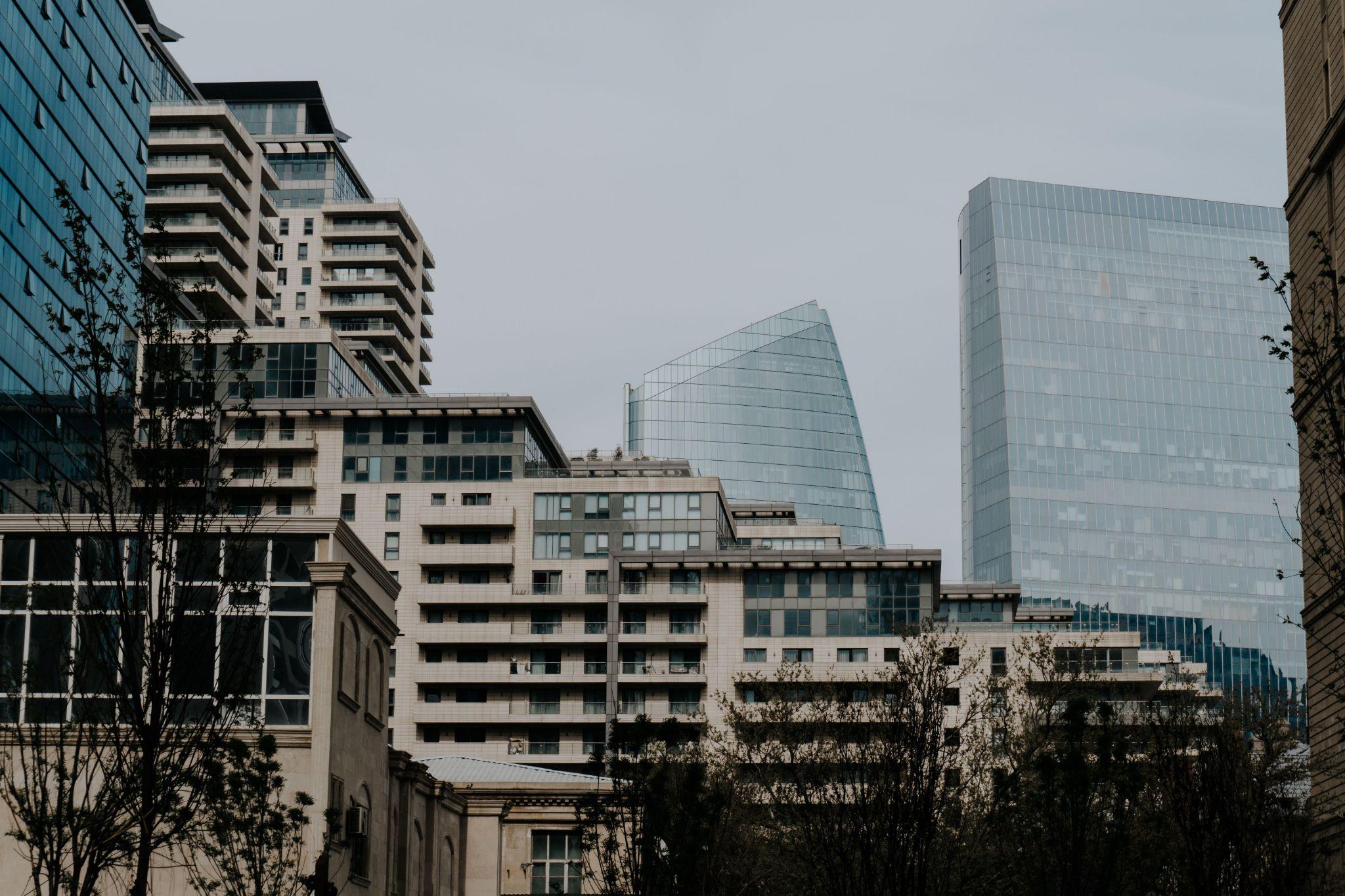
Real estate developers are selling a future experience long before buyers can walk through the finished space. That is why architectural 3D animation services have become useful for off-plan launches, investor presentations, planning discussions, and early leasing campaigns. A strong film can show scale, movement, views, materials, landscaping, and the relationship between a property and its surroundings in ways static drawings cannot. The market around this work is also growing. Grand View Research estimated the global residential architecture 3D rendering market at $459.3 million in 2025 and projects it to reach about $1.95 billion by 2033. A well-made 3D architectural animation fits within that broader shift toward more visual property communication. The best partner, however, depends on the project. Some studios focus on cinematic visualization, while others combine film with branding, interactive media, digital twins, or broader design services.
1. Render Vision
Render Vision is one of the most specialized options on this list for developers who want animation built directly around property marketing. The company positions itself as an architectural animation studio serving real estate developers, architects, and commercial teams, with cinematic exterior flythroughs, interior walkthroughs, lifestyle sequences, and high-resolution deliverables for sales campaigns. Render Vision reports work across more than 15 countries and says it has delivered over 29,000 renderings and animations since 2012. Its process uses clear production checkpoints: still-frame approval, camera-path review, color preview, and final delivery. That matters when a launch date is fixed, and late changes can become expensive. The studio also supports sound design, music, branding, and several output formats, including 4K on request. For developers, this focused workflow makes Render Vision a practical choice when animation must support presales rather than exist only as a design presentation.
2. Neoscape
Neoscape combines visualization with a broader real estate creative offer. Founded by architects more than 30 years ago, the agency now works across renderings, animation, film, branding, websites, interactive experiences, digital twins, and VR or AR. Its current service information says the team produces about 55 films per year, alongside more than 100 brands created and 200-plus websites designed and managed. That breadth is useful for a developer who wants a single creative partner for launch materials rather than a stand-alone animation supplier. Neoscape has worked on major developments and architectural projects, including Hudson Yards and Jewel Changi Airport. The latter involved photorealistic renderings and a two-minute animated film developed with close attention to planting and architectural detail. Some briefs refer to 3D architectural animation, but the underlying need is simple: turning a complex project into a visual story that buyers, investors, and approval teams can understand quickly.
3. Kilograph
Kilograph is a global creative agency with roots in architecture and visualization, but its offer now extends into narrative strategy, branding, film, interactive media, and experience design. This makes it relevant for developments that need a coherent story across several channels. Its portfolio includes residential, commercial, infrastructure, and institutional work, with projects such as OCVIBE, Mr. C Residences Downtown, and One Cherry Creek. For OCVIBE, Kilograph describes a package that included cinematic imagery, panoramas, immersive media, and a launch film. That approach shows where architectural 3D animation can add value beyond a conventional walkthrough. Camera movement, narrative structure, branding, and interactive assets can work together to explain not only what a development looks like, but what kind of place it is meant to become. Kilograph is therefore a strong fit for developers who want visual production tied closely to positioning and campaign strategy.
4. Squint/Opera
Squint/Opera approaches architectural media through storytelling, experience design, and technology. Founded in 2001 and now part of Journey, the studio has a long record in architecture and the built environment. Its work includes animated films, immersive installations, digital twins, and large-scale media experiences. For Nabr, Squint/Opera created a 90-second animated film and social clips to explain a new housing model. For Here East in London, it helped create a real-time digital twin to present the campus remotely to tenants, investors, and communities. That makes the studio useful when a development needs more than a linear property film. A 3D architectural animation brief can include real-time exploration, a branded narrative, and interactive presentation alongside conventional animation. Squint/Opera is especially relevant for mixed-use, destination, cultural, and urban projects where the place's story matters as much as individual interiors or facades.
5. LKF Design Studio
LKF Design Studio needs a careful comparison with the other names here. Its current public site presents the company primarily as an architecture and multidisciplinary design practice working across architecture, interiors, branding, landscape, and masterplanning. It shows mixed-use, hospitality, residential, and entertainment-led development projects across a range of sectors. The available service information does not clearly position LKF as a dedicated 3D architectural animation studio, so developers specifically seeking outsourced flythrough production should verify that capability before shortlisting it on the same basis as Render Vision, Neoscape, Kilograph, or Squint/Opera. Its value is different. LKF can be relevant when visual communication is closely tied to place-making, architecture, brand, and masterplan development. In that setting, animation may be part of a broader design ecosystem rather than a separate production service. Choosing a partner based on confirmed capabilities is more useful than treating every design studio as interchangeable.
Essential Features of High-Performing Architectural Animations
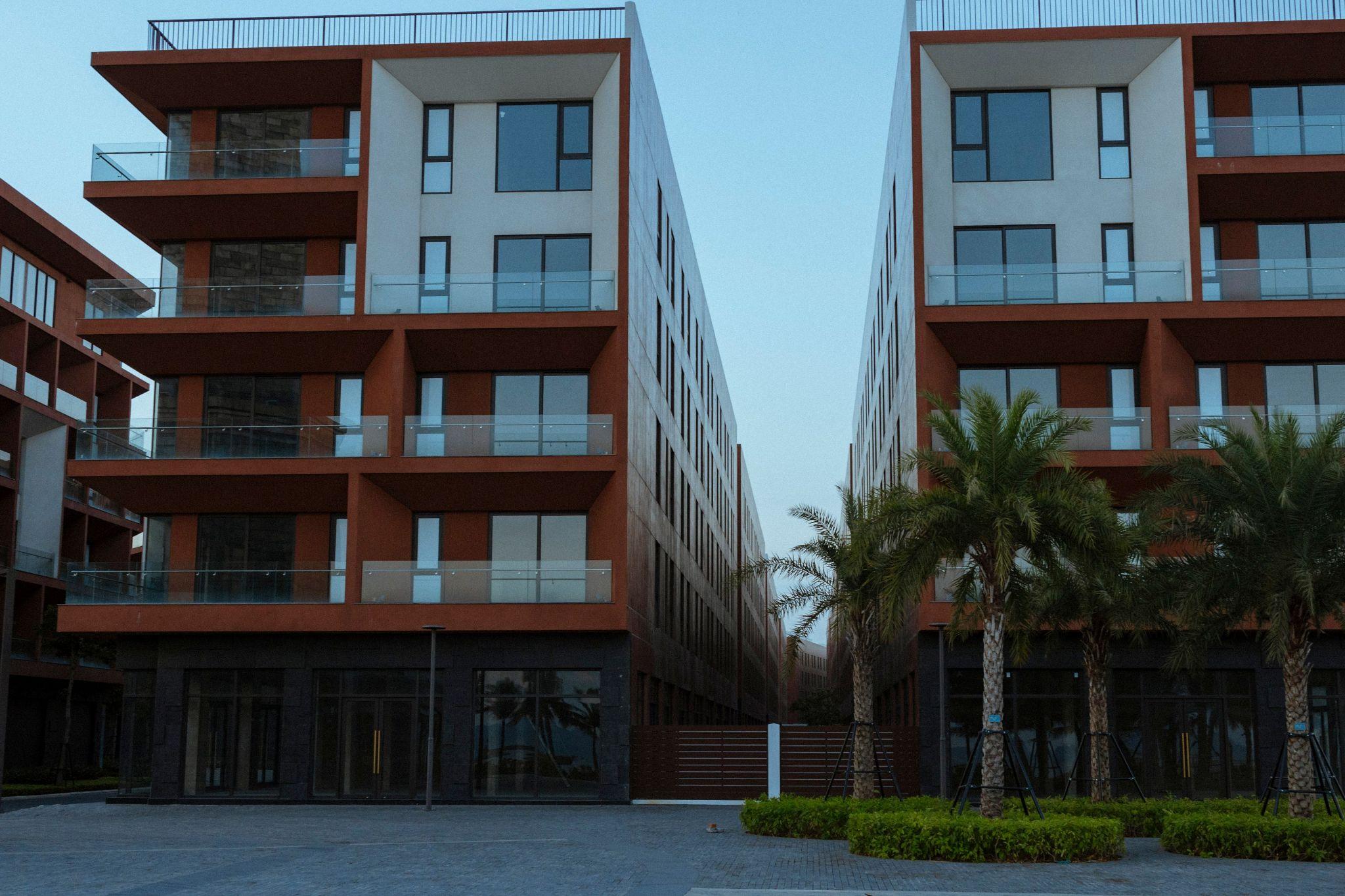
Good property animation is not simply a moving render. It has to guide attention, preserve architectural accuracy, and communicate the development at a pace that feels clear rather than rushed. The strongest 3D architectural animation work combines technical modeling with the language of film. Materials need to behave consistently from shot to shot. Landscaping should support the architecture, not hide it. People and vehicles should add scale without turning the scene into visual noise. Sound can strengthen the mood, but it should not compensate for weak imagery. Developers should also think about where the final film will be used. A presentation for investors, a sales-center screen, a website hero video, and short social cuts all have different pacing and format requirements. Planning those outputs early can prevent expensive re-editing after the main animation has already been rendered.
Key Selection and Production Criteria
When comparing providers, look beyond a polished showreel. Ask how the team handles architectural files, revisions, camera approval, material accuracy, post-production, and delivery formats. The review process should catch problems before final rendering begins. The following five criteria cover the parts of production that most directly affect clarity, realism, and usability:
- Camera Movement and Pacing: Use natural camera paths and measured pacing so viewers can understand scale, circulation, and spatial proportions without abrupt movement.
- Photorealistic Lighting and Atmospheric Effects: Check whether daylight, artificial light, reflections, weather, and time-of-day transitions support the intended mood while remaining believable.
- Landscape and Contextual Integration: Make sure vegetation, streets, neighboring buildings, vehicles, and people ground the project in its actual setting rather than creating an isolated object.
- Post-Production and Audio Design: Review color grading, editing, sound design, music, and optional voiceover as part of the final story, not as decoration added at the end.
- High-Resolution Output Standards: Confirm delivery formats early, including 4K where needed, plus web and social versions that preserve image quality without oversized files.
The production process matters as much as the final images. Incomplete CAD files, unresolved landscape design, or changing finishes can affect both schedule and realism. Developers should compare how studios manage feedback, technical updates, and version control before they commit to a large film. A strong team will explain what must be approved at each stage and which changes become expensive after full rendering starts. This is especially important for a project with several decision-makers, because design, sales, and marketing teams may judge the same sequence differently. Clear milestones keep those discussions focused and reduce the risk of having to rebuild scenes late in production.
Conclusion
Architectural animation has become a practical sales and communication tool because it can present an unbuilt project with movement, context, and a clear narrative. Render Vision is the most directly specialized choice in this comparison for property-focused animation, while Neoscape offers a broad real estate creative stack, Kilograph connects visualization with narrative strategy, and Squint/Opera brings strong experience in story-driven and immersive built-environment media. LKF Design Studio is better understood as a multidisciplinary architecture and place-making practice, so confirm its animation credentials for a specific brief. The right partner should match the project’s scale, sales strategy, required formats, and review process. Developers should compare not only image quality but also how a studio handles camera planning, revisions, sound, delivery formats, and campaign use. For off-plan launches that depend on clear, cinematic property storytelling, base the final choice on proven architectural 3D animation services.
Comments
Comments are available to signed-in users and are moderated to keep the discussion useful and respectful. Spam, automated submissions, and low-value promotional comments are removed. Outbound links may be approved when they are relevant and genuinely helpful to readers, but they are displayed as plain text rather than clickable hyperlinks.
No comments have been published yet.
Please sign in to submit a comment.