

Cybersecurity, Smartphone, Privacy
Smishing in 2026: How Businesses Can Protect Customers from SMS and Messenger Impersonation
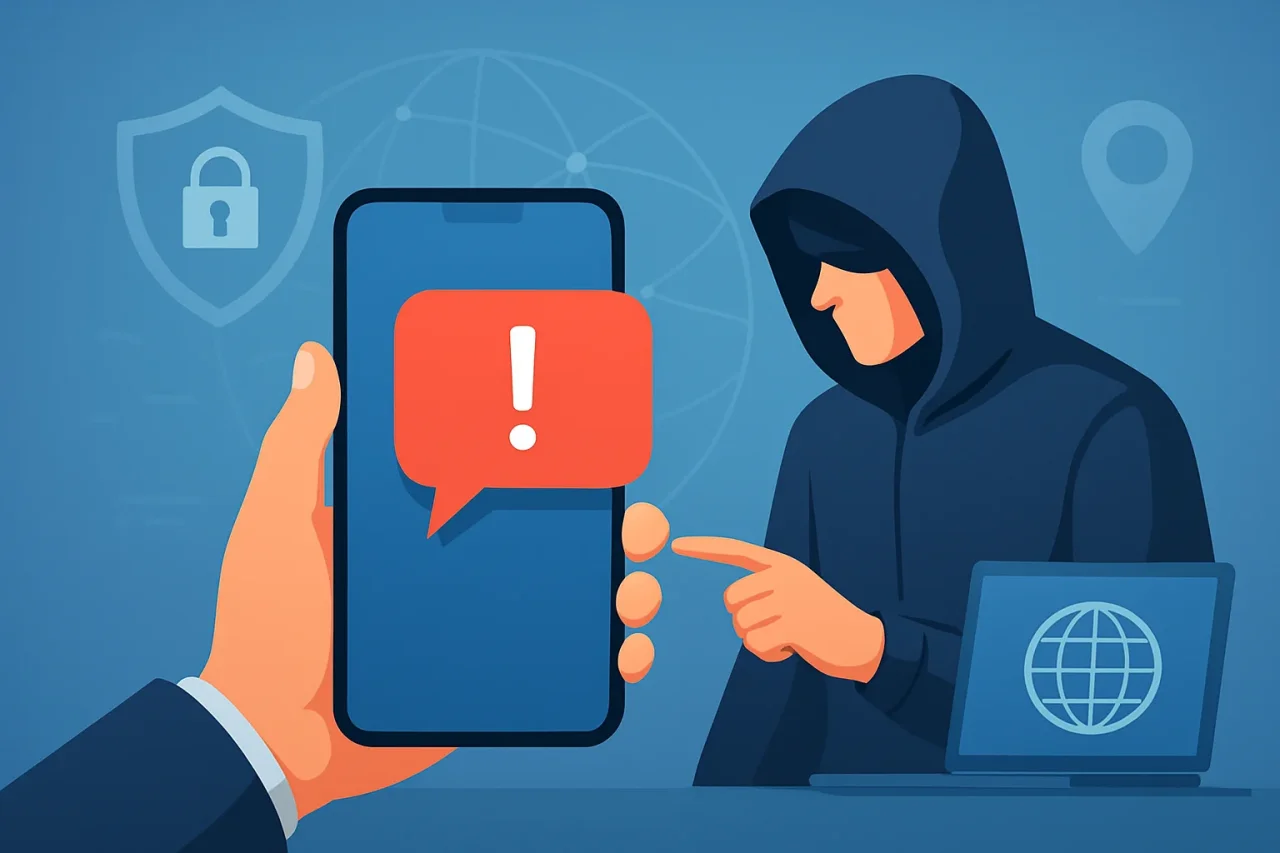
A fraudulent text doesn’t need to look perfect. It only needs to reach the right person at a believable moment. A delivery update after an online order, a payment warning on payday or a security alert during a busy workday can be enough to make someone tap before thinking.
That is what makes smishing so persistent. Criminals use SMS and messenger apps to imitate banks, retailers, delivery companies, public services and even a victim's employer. The message usually creates urgency, then pushes the recipient toward a fake website, a payment request, a malicious download or a conversation with the attacker.
Businesses cannot control every message sent in their name. They can make impersonation harder to sustain, easier to recognize and less damaging when it happens. That requires more than a yearly reminder telling customers not to click suspicious links.
Why smishing is harder to spot in 2026
Older scam messages were often betrayed by awkward grammar, a strange sender or an obviously broken website. Those clues still appear, but they are less dependable than they used to be. Generative tools help criminals produce cleaner writing, adapt messages to local languages and create many variations of the same lure quickly.
Attackers also have more context. Information from data breaches, social media, stolen accounts and public company pages can make a generic scam feel personal. A message that includes a real name, recent purchase or familiar colleague lowers the recipient's guard before the link is even opened.
The attack may move between channels as well. A victim receives an SMS, follows a link and continues the conversation in WhatsApp, Telegram or another messenger. By the time a request for money or a verification code appears, the exchange feels less like an unknown text and more like an ongoing support case.
What brand impersonation looks like
Smishing is often discussed as a single type of fraud, but the stories vary. Some attacks aim to steal account credentials, while others collect card details or convince the victim to transfer money. Messenger impersonation can go further by creating a conversation that develops over several hours or days.
Impersonation pattern
| Impersonation pattern | Typical message | What the attacker wants |
|---|---|---|
| Delivery problem | A parcel is held and a small fee is required | Card details and personal information |
| Account warning | Suspicious activity requires immediate verification | Login credentials or an OTP |
| Fake customer support | An agent offers to solve a billing or access issue | Remote access, payment or account recovery data |
| Executive or colleague impersonation | A manager using a new number requests an urgent task | Money, gift cards or confidential files |
| Messenger takeover | A known contact asks for a code or sends an unusual link | Access to the victim's account or contacts |
The message format changes, but the pressure is familiar. The recipient is told that something bad will happen unless action is taken quickly, or that a reward will disappear if they wait. That emotional push is often more important to the scam than technical sophistication.
Trust can be weakened by inconsistent communication
Customers learn a brand's habits from every real message they receive. If legitimate texts arrive from many numbers, use different link domains and frequently ask for sensitive information, a fake message has plenty of room to blend in. Inconsistent communication trains people to accept inconsistency.
Businesses should decide what their official messages look like and stay close to that pattern. Sender names, link domains, tone and the types of action requested should be predictable. A customer should not have to guess whether this month's payment link is genuine because it looks nothing like the one sent last month.
This doesn’t mean every message must follow one rigid template. Transactional alerts, support updates and marketing campaigns serve different purposes. They can still share recognizable features and clear limits, including a rule that the company will never request passwords or full payment credentials by message.
Secure delivery is one part of the defense
The transport layer matters because weak route control and scattered provider relationships make legitimate traffic harder to monitor. A business operating across several regions needs to know which sender, provider and route carried each campaign. Sudden changes in delivery patterns may indicate a technical issue, a blocked sender or abuse that deserves investigation.
When teams evaluate an SMS API global setup, they should look beyond basic geographic coverage. Centralized reporting, verified providers, sender management, routing controls and clear delivery data help a company maintain a more consistent official channel. These capabilities do not remove fraudulent messages from the wider telecom network, but they make the company's own traffic easier to govern and distinguish.
Protect the accounts behind messenger communication
Messenger impersonation doesn’t always begin with a fake profile. Sometimes the criminal takes over a real account and contacts customers, colleagues or partners from a conversation they already trust. The familiar name and message history make the request feel credible.
Business messenger accounts should use the strongest account protection the service supports. That may include passkeys, phishing-resistant multifactor authentication, two-step verification and regular reviews of linked devices. Shared access should be limited, documented and removed promptly when a person's role changes.
Employees also need a clear rule for verification codes. A code sent to register a new device or recover an account must never be forwarded through chat, even when the request appears to come from a manager or support agent. If a colleague suddenly appears under a new number, sensitive requests should be verified through an established channel.
Give customers guidance they can actually use
Telling people to “be careful” is too vague. Customers need a short set of rules that remains useful when a message creates urgency. The advice should appear in help pages, onboarding materials and account security settings before a scam campaign begins.
- Do not share passwords, full card details or one-time verification codes through SMS or messenger chats.
- Open the company's app or type its known website address instead of using a link in an unexpected message.
- Treat a new phone number, unusual payment method or sudden request for secrecy as a reason to pause.
- Verify urgent requests through a saved number or another official channel.
- Report suspicious messages using a visible security or support contact supplied by the company.
The wording should be specific to the brand. If the company sometimes sends payment links, it should explain which domain is used and when a customer can expect one. If support never contacts people first through a messenger, say that plainly.
Design messages that are difficult to imitate convincingly
Real messages should provide enough context to be useful without exposing sensitive data. A payment alert might identify the last four digits of an account reference, while directing the customer to open the official app for details. It should not ask the recipient to send confidential information back by text.
Links deserve particular care. A stable, recognizable domain is easier for customers to check than a rotating collection of short links. Where possible, high-risk actions should take place inside an authenticated app or account area rather than on a page opened directly from an unexpected message.
Prepare for impersonation before it becomes public
What happens when a customer sends support a screenshot of a convincing fake message? If nobody knows who owns the incident, the first hours disappear in internal forwarding. Meanwhile, the fraudulent domain or messenger account continues reaching new victims.
A practical response plan should connect security, customer support, communications, legal teams and messaging operations. The team needs a way to preserve screenshots and sender details, review legitimate campaign records, report abusive numbers or accounts and request takedown of fraudulent websites. Staff should also know when the incident requires notification to customers, providers, regulators or law enforcement.
Speed matters, but accuracy matters too. A rushed public warning that doesn’t show customers how to identify the fake may create more confusion. The message should explain which channel is being impersonated, what the company will never request and where customers can safely check their accounts.
Watch for signals beyond delivery rates
Smishing may first appear in places that are not part of the messaging dashboard. Support tickets mention an unfamiliar link, social media users post screenshots or the fraud team sees repeated account recovery attempts. Those signals need a route back to the people responsible for communication security.
Monitoring should combine delivery data with brand abuse reports and customer feedback. A sudden wave of questions about a message the company never sent is a security signal, even if official SMS traffic looks completely normal. Teams should record these incidents and compare the sender names, domains, wording and target regions that attackers reuse.
Make trust visible before customers need it
Smishing succeeds in the space between recognition and doubt. A familiar logo, urgent sentence or known contact name gives the attacker a few seconds of borrowed trust. Businesses reduce that advantage by communicating consistently, protecting official accounts and making verification easy.
No single control can stop every impersonation attempt. Secure messaging infrastructure, strong account protection, sensible message design, customer education and a rehearsed response process reinforce one another. Leave one of those areas unattended and criminals will naturally lean on it.
Customers should not be expected to investigate telecom routing or inspect every technical detail of a link. Do they need a reliable answer to one ordinary question: how can I check whether this message is really from you? A business that answers it clearly, before the scam arrives, is already much harder to impersonate.
Comments
Comments are available to signed-in users and are moderated to keep the discussion useful and respectful. Spam, automated submissions, and low-value promotional comments are removed. Outbound links may be approved when they are relevant and genuinely helpful to readers, but they are displayed as plain text rather than clickable hyperlinks.
No comments have been published yet.
Please sign in to submit a comment.