

Network, Cybersecurity, Information Technology
Network Segmentation: Containing Threats Before They Spread
The Growing Need for Network Segmentation
In today’s rapidly evolving digital landscape, cyber threats have become increasingly sophisticated and pervasive. Businesses, particularly in the B2B sector, face mounting pressure to protect sensitive data and maintain operational continuity. Traditional perimeter defenses, such as firewalls and antivirus solutions, are no longer sufficient to keep cybercriminals at bay. Attackers have become adept at bypassing these defenses and moving laterally within networks, escalating breaches into full-scale compromises. This is where network segmentation emerges as a critical strategy to contain threats before they can spread across an organization’s entire infrastructure.
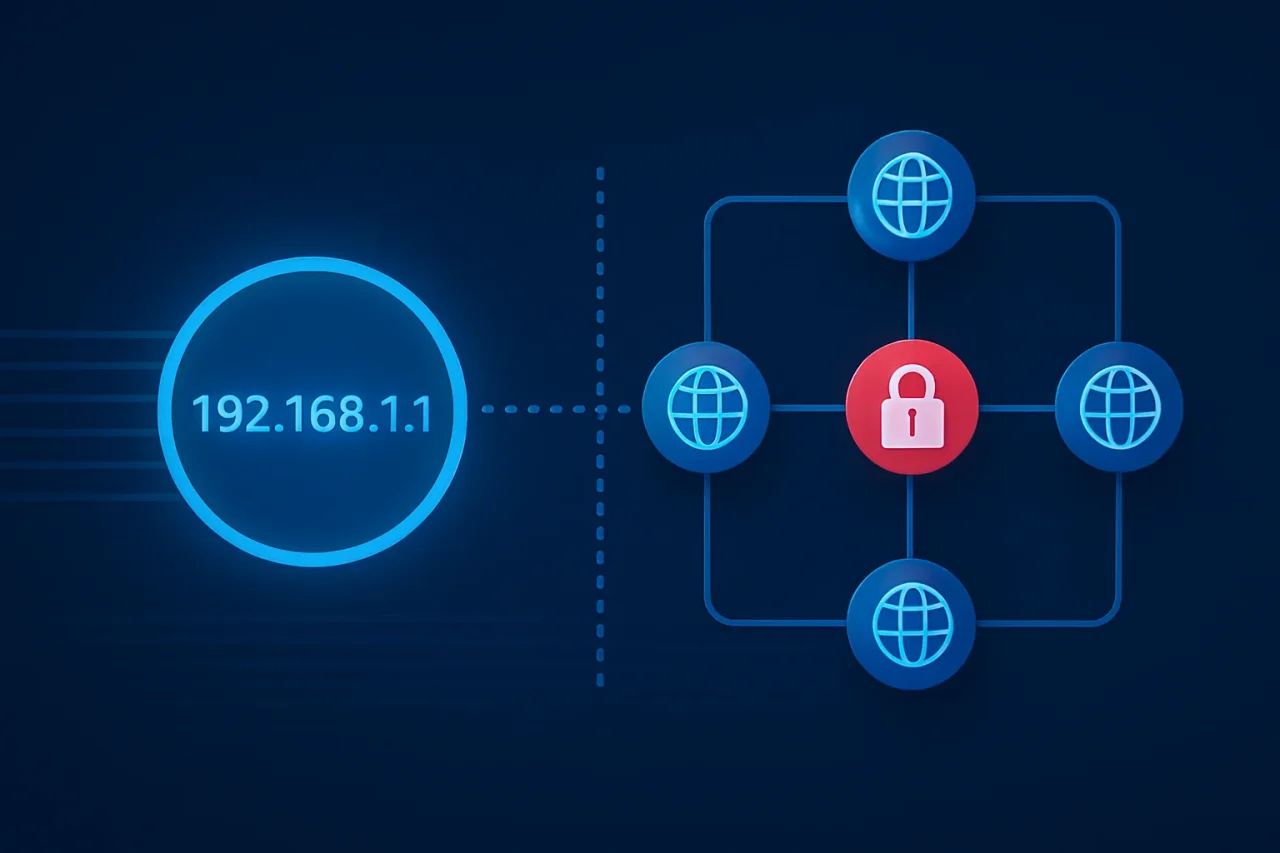
Network segmentation involves dividing a larger network into smaller, isolated segments or subnets. By doing so, organizations can control access between different parts of their network, limiting the lateral movement of attackers who manage to breach one segment. According to a recent report, organizations that implement network segmentation can reduce the risk of data breaches by up to 60%. Tech Eagles' IT expertise is one example of a managed IT service that includes network management and security support.
The frequency and cost of data breaches continue to rise. The average cost of a data breach globally reached $4.45 million in 2023, marking a 15% increase over the past three years. Network segmentation plays a vital role in mitigating these risks by limiting attackers’ ability to access valuable assets.
In addition to reducing breach risk, segmentation also helps organizations comply with increasingly stringent data protection regulations. For example, isolating sensitive customer data can simplify adherence to GDPR, HIPAA, and PCI DSS requirements, avoiding costly fines and reputational damage.
How Network Segmentation Works
At its core, network segmentation creates boundaries within an enterprise’s network architecture. These boundaries are enforced through a combination of technologies such as firewalls, virtual local area networks (VLANs), access control lists (ACLs), and software-defined networking (SDN). Each segment operates like a secure enclave, with strict rules governing which devices or users can communicate within or across segments.
Segmentation can take various forms, such as isolating sensitive data repositories from general user access or separating guest Wi-Fi networks from corporate resources. The goal is to ensure that even if an attacker compromises one segment, their ability to escalate privileges or exfiltrate data is severely limited.
Implementing effective segmentation requires a robust understanding of an organization’s network topology and security needs. By using appropriate network design, security controls, and ongoing monitoring, businesses can design and maintain segmented networks tailored to their unique risk profiles.
Benefits Beyond Security
While the primary motivation for network segmentation is enhanced security, it also delivers several operational benefits. Segmentation can improve network performance by reducing congestion and localizing traffic within segments. This localization minimizes unnecessary data flow across the entire network, resulting in faster response times and more efficient bandwidth utilization.
Additionally, segmentation simplifies compliance management by allowing organizations to isolate regulated data environments. For example, healthcare providers can separate systems handling patient health information to meet HIPAA standards, while financial institutions can isolate payment processing systems to comply with PCI DSS.
Network segmentation also facilitates faster and more effective incident response. When a security event occurs, the affected segment can be quarantined without disrupting the entire network. This containment minimizes downtime and the potential financial losses associated with widespread breaches. Research shows that companies using segmentation reduce the average time to detect and contain cyber intrusions by 50%. Complete Technology Solutions' deployment model is one example of a managed IT approach that can incorporate network segmentation, monitoring, and security management into broader IT operations.
Key Considerations for Successful Deployment
To realize the full advantages of network segmentation, organizations must carefully plan and execute their deployment strategies. A piecemeal or poorly designed segmentation approach can create blind spots and administrative overhead, potentially weakening security rather than strengthening it.
A typical deployment process includes network mapping, risk assessment, dynamic access controls, and continuous monitoring. This approach involves thorough network mapping, risk assessment, and the implementation of dynamic access controls. It also integrates continuous monitoring to detect anomalies and proactively enforce segmentation policies.
Organizations should balance segmentation granularity with usability. Over-segmentation can complicate legitimate communication and frustrate end-users, while under-segmentation may fail to adequately contain threats. Striking the right balance requires collaboration between IT security teams and business stakeholders.
Organizations must also account for the evolving nature of network environments. Cloud adoption, remote workforces, and Internet of Things (IoT) devices add layers of complexity that segmentation strategies must address. Incorporating automation tools and software-defined perimeters can help maintain segmentation effectiveness amid these changes.
Real-World Impact and Industry Trends
Numerous enterprises have reported significant security improvements after adopting network segmentation. For example, a multinational financial services firm attributed a 40% reduction in security incidents to its segmentation efforts within the first year of implementation. This real-world impact demonstrates how segmentation not only protects assets but also reduces operational disruptions.
Industry trends also indicate a growing reliance on segmentation as part of zero trust architectures. Zero trust security models assume no device or user is inherently trustworthy, advocating for strict access controls and micro-segmentation. Analysts predict that by 2025, over 70% of enterprises will have implemented some form of micro-segmentation.
Micro-segmentation, a more granular form of network segmentation, enables policy enforcement at the workload level, often within virtualized or cloud environments. This approach is gaining traction as organizations move towards hybrid cloud models and require more precise control over east-west traffic within data centers.
Challenges and How to Overcome Them
Despite its benefits, network segmentation presents several challenges. Legacy systems and complex network infrastructures can hinder segmentation efforts. Many organizations struggle to segment networks without disrupting critical business processes or causing user frustration.
Additionally, maintaining segmentation policies requires ongoing management and updates in response to evolving threats and organizational changes. Static segmentation rules can quickly become outdated, reducing their effectiveness.
Organizations may address these challenges using internal IT teams, managed service providers, or a combination of both. Automation platforms and continuous monitoring can help maintain segmentation policies as network environments evolve.
Educating employees about network segmentation’s purpose and benefits helps foster a security-aware culture. When users understand how segmentation protects sensitive resources, they are more likely to comply with access policies and report suspicious activity. Security awareness training should include explanations of segmentation’s role in minimizing attack surfaces and preventing lateral movement.
Conclusion
Network segmentation is one approach organizations use to limit lateral movement, isolate sensitive systems, and improve visibility into network activity. When combined with appropriate access controls, monitoring, and incident response planning, segmentation can support broader cybersecurity and compliance objectives.
As IT environments continue to evolve with cloud services, remote work, and connected devices, organizations may periodically review and update segmentation strategies to reflect changes in infrastructure, security requirements, and emerging threats.
Comments
Comments are available to signed-in users and are moderated to keep the discussion useful and respectful. Spam, automated submissions, and low-value promotional comments are removed. Outbound links may be approved when they are relevant and genuinely helpful to readers, but they are displayed as plain text rather than clickable hyperlinks.
No comments have been published yet.
Please sign in to submit a comment.