

Microsoft Certifications in 2026: A Complete Guide to Building a Successful IT Career with the Right Credentials
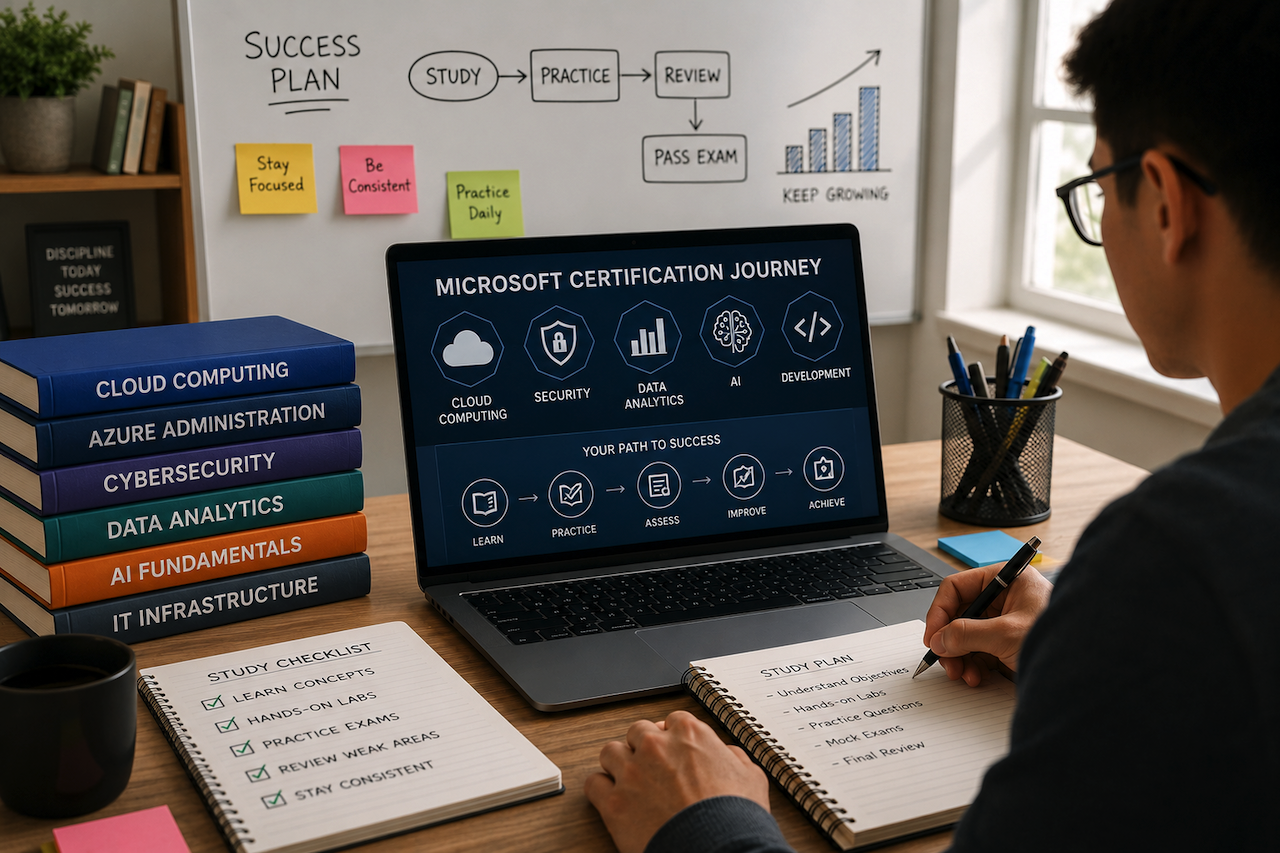
Technology continues to evolve rapidly, and businesses worldwide rely heavily on digital infrastructure, cloud services, cybersecurity, and data management solutions. As organizations adopt more advanced technologies, the demand for skilled IT professionals has increased significantly. One of the best ways to validate your technical knowledge and stand out in a competitive job market is through professional certifications. Among the most recognized credentials in the industry are Microsoft certifications.
Microsoft certifications are designed to help professionals demonstrate expertise in areas such as cloud computing, Azure administration, cybersecurity, AI, data analytics, software development, and Microsoft 365 management. Whether you are a beginner entering the IT industry or an experienced professional looking to upgrade your skills, Microsoft offers certification paths suitable for every career stage.
Preparing for these exams requires a clear study strategy, hands-on practice, and access to reliable preparation materials. Many candidates use training courses, official Microsoft learning resources, practice labs, and study platforms like Exam Snap to strengthen their exam preparation and improve their confidence before test day.
What Are Microsoft Certifications?
Microsoft certifications are professional credentials offered by Microsoft to validate knowledge and practical skills in using Microsoft technologies. These certifications focus on real-world job roles rather than only theoretical concepts. This approach helps employers identify professionals who can effectively manage technical responsibilities in workplace environments.
Microsoft regularly updates its certification paths to align with changing industry needs. Older certification models focused heavily on product-based exams, while the modern system is role-based. This means certifications are now organized by specific job functions, such as administrator, developer, security engineer, data analyst, and solutions architect.
Professionals who earn Microsoft certifications can demonstrate their ability to work with tools including Microsoft Azure, Microsoft 365, Power Platform, Dynamics 365, SQL Server, and artificial intelligence solutions.
Why Microsoft Certifications Matter
Microsoft certifications have become increasingly valuable because Microsoft technologies are deeply integrated into business operations worldwide. Companies of all sizes use Microsoft solutions for productivity, communication, cloud hosting, security, and business intelligence.
A Microsoft certification can provide several career benefits.
Improved Job Opportunities
Recruiters often prioritize certified candidates because certifications show commitment to professional development. A certified professional is usually viewed as more prepared to handle technical challenges and contribute to business success.
Many job descriptions specifically mention Microsoft certifications as preferred or required qualifications. This is especially common in cloud computing, cybersecurity, and system administration roles.
Higher Salary Potential
Certified professionals often earn higher salaries compared to non-certified peers. Certifications help justify salary increases by demonstrating specialized knowledge and reducing employer training costs.
Roles such as Azure Solutions Architect, Security Engineer, and Azure Administrator are known for offering competitive salaries globally.
Industry Recognition
Microsoft is one of the most respected technology companies in the world. Holding a Microsoft certification immediately adds credibility to your professional profile and strengthens your resume.
It also improves your LinkedIn presence and makes your profile more attractive to recruiters searching for qualified professionals.
Skill Validation
Self-learning is valuable, but certifications provide official proof of your skills. Passing a Microsoft exam confirms that your knowledge meets Microsoft’s professional standards.
This can be especially useful when switching careers or applying for international opportunities.
Types of Microsoft Certifications
Microsoft certifications are generally categorized by experience level and job role.
Fundamentals Certifications
Fundamentals certifications are ideal for beginners who are new to technology or Microsoft platforms. These certifications introduce basic concepts and do not require advanced technical experience.
Popular fundamentals certifications include:
- Microsoft Azure Fundamentals (AZ-900)
- Microsoft Security, Compliance, and Identity Fundamentals (SC-900)
- Microsoft AI Fundamentals (AI-900)
- Microsoft Data Fundamentals (DP-900)
- Microsoft Power Platform Fundamentals (PL-900)
These certifications are excellent starting points for students, fresh graduates, and career changers.
Associate Certifications
Associate certifications are designed for professionals with practical experience in specific technical roles. These exams test real-world knowledge and greater technical skills.
Popular associate certifications include:
- Azure Administrator Associate (AZ-104)
- Azure Developer Associate (AZ-204)
- Security Operations Analyst Associate (SC-200)
- Data Analyst Associate (PL-300)
- Azure Database Administrator Associate (DP-300)
Employers widely recognize associate-level certifications and often align directly with job roles.
Expert Certifications
Expert certifications target advanced professionals who manage large-scale solutions, architecture, and enterprise environments.
Examples include:
- Azure Solutions Architect Expert (AZ-305)
- Cybersecurity Architect Expert (SC-100)
- DevOps Engineer Expert (AZ-400)
These certifications require deeper knowledge, strategic thinking, and strong practical experience.
Most Popular Microsoft Certifications in 2026
Microsoft Azure Administrator (AZ-104)
AZ-104 remains one of the most popular Microsoft certifications because cloud administration skills are in high demand.
This certification covers:
- Managing Azure identities
- Storage accounts
- Virtual machines
- Networking
- Monitoring and backup
It is ideal for system administrators and cloud professionals.
Azure Solutions Architect Expert (AZ-305)
This certification is designed for professionals who design cloud and hybrid solutions.
Topics include:
- Infrastructure solutions
- Identity management
- Security architecture
- Business continuity
- Data platform design
This certification is highly respected and suitable for senior IT professionals.
Microsoft Security Certifications
Cybersecurity threats continue to grow, making Microsoft security certifications extremely valuable.
Popular options include:
- SC-200 Security Operations Analyst
- SC-300 Identity and Access Administrator
- SC-100 Cybersecurity Architect
These certifications focus on security monitoring, identity management, and enterprise security strategy.
Power BI Data Analyst (PL-300)
Data analytics has become essential for business growth. PL-300 validates your ability to analyze and visualize data using Power BI.
Skills covered include:
- Data preparation
- Data modeling
- Visualization
- Dashboard creation
- Performance optimization
This certification is ideal for analysts and business intelligence professionals.
How to Prepare for Microsoft Certification Exams
Preparing for Microsoft exams requires discipline and structured learning. Simply reading documentation is usually not enough.
Use Microsoft Learn
Microsoft provides free official learning paths through Microsoft Learn. These modules include hands-on labs, tutorials, and guided exercises.
This should be your primary study resource.
Practice with Labs
Hands-on practice is essential for technical exams. Create your own Azure environment or use sandbox labs to practice real scenarios.
Practical experience helps reinforce theoretical concepts.
Take Practice Exams
Practice exams help you understand question patterns, identify weak areas, and improve time management.
Many candidates rely on study platforms to access practice materials, exam simulations, and study support resources during their certification journey.
Using quality practice tools can improve readiness and reduce exam anxiety.
Join Study Communities
Online communities can be extremely helpful. Join Microsoft certification forums, LinkedIn groups, Reddit communities, and Discord study groups.
Interacting with others allows you to exchange resources and discuss difficult topics.
Build a Study Schedule
A proper study schedule keeps you organized and accountable.
Example study plan:
- Week 1–2: Learn exam objectives
- Week 3–4: Practice labs
- Week 5: Review weak areas
- Week 6: Practice exams and revision
Consistency matters more than cramming.
Benefits of Microsoft Certifications for Different Career Paths
- Students: Students can use Microsoft certifications to strengthen their resumes before graduation. Entry-level certifications help compensate for limited work experience.
- IT Professionals: Experienced professionals can use certifications to specialize, earn promotions, or transition into higher-paying roles.
- Career Changers: Professionals transitioning from non-technical backgrounds can use certifications to demonstrate competence and build credibility.
- Freelancers and Consultants: Freelancers benefit from certifications because clients trust officially validated expertise.
Common Challenges in Microsoft Exam Preparation
Many candidates struggle during preparation because they underestimate the difficulty of the exams.
Common mistakes include:
- Ignoring hands-on practice
- Memorizing without understanding
- Skipping official objectives
- Relying only on one resource
- Poor time management
Avoiding these mistakes significantly improves success rates.
Tips to Pass Microsoft Certification Exams
- Understand the Exam Blueprint: Always review the official skills outline before studying.
- Focus on Practical Skills: Microsoft exams often include scenario-based questions. Understanding concepts deeply is more useful than memorization.
- Review Weak Areas: After practice exams, spend extra time improving weaker domains.
- Stay Updated: Microsoft technologies change quickly. Always study the latest exam version.
- Stay Calm During the Exam: Read questions carefully and manage your time wisely.
Conclusion
Microsoft certifications remain one of the smartest investments for technology professionals in 2026. They validate technical expertise, improve employability, increase salary potential, and support long-term career growth.
Whether you are starting with Azure Fundamentals or pursuing expert-level certifications, Microsoft provides structured learning paths for every professional level. Success requires a mix of official learning resources, hands-on practice, disciplined study, and exam readiness strategies.
As cloud computing, cybersecurity, artificial intelligence, and data analytics continue to dominate the tech industry, earning Microsoft certifications can help you stay relevant, competitive, and ready for future opportunities.
 FAQs
FAQs
Yes, Microsoft certifications are highly valuable because Microsoft technologies remain dominant in enterprise environments worldwide.
AZ-900 Azure Fundamentals is one of the best beginner certifications.
Preparation time varies, but most candidates study for 4 to 8 weeks, depending on experience.
Some role-based certifications require renewal periodically through Microsoft’s free online renewal process.
Certifications improve job prospects significantly, but combining them with practical experience and projects creates stronger opportunities.
Featured Image generated by ChatGPT.
Related Articles

March 2, 2026
Trusted and Accredited Certifications to Secure Your Future
In today's competitive job market, having the right credentials can mean the difference between landing your dream job and being passed over for a more qualified candidate. Cer...
Read More
March 11, 2025
Breaking Into Data Science: How Certifications Can Boost Your Career
Businesses across all industries are increasingly reliant on data to sustain their long-term operations. Retail establishments, financial institutions, and even healthcare centres...
Read More
September 18, 2023
4 Different IT Career Paths - Which is Right for You and What Skills Will You Need?
Whether you're fresh out of college or considering a career change, the world of information technology offers numerous opportunities. To understand the diversity of roles availabl...
Read More
Comments
Comments are available to signed-in users and are moderated to keep the discussion useful and respectful. Spam, automated submissions, and low-value promotional comments are removed. Outbound links may be approved when they are relevant and genuinely helpful to readers, but they are displayed as plain text rather than clickable hyperlinks.
No comments have been published yet.
Please sign in to submit a comment.