

Internet of Things, Productivity
IoT at Work: How Smart Offices Boost Productivity

Businesses today always look for ways to increase production and make things easier. Using IoT devices at work is becoming increasingly popular. This change has altered jobs and how individuals interact in the workplace.
What is a Smart Office?
A smart office uses many IoT devices and systems to connect and automate parts of the workplace. This may cover everything from controlling light and temperature to safety measures as well as communication devices. The main idea of a smart office is to create an online, convenient space that improves the overall time workers spend.
< p>Smart office technology lets devices and systems talk to each other, gather data, and make smart choices using that information. Some of the most often used Internet of Things in smart offices are light switches, temperature control systems, detectors, and voice assistants like Amazon's Alexa or Google Home. These devices have revolutionized office operations, leading to increased productivity in the workplace.Transforming the Modern Workspace
One great benefit of a smart office is its ability to make the whole workplace work better and more efficiently. By making simple tasks automatic and providing a fast, connected place to work, workers can concentrate on bigger things without being slowed down by tedious tasks. For example, automatic lights and heating systems can make a workspace comfy for workers so they don't get distracted.
Using IoT in offices helps office workers communicate and work together swiftly. Smart office ideas like video talking and fast messaging help workers easily talk with each other, no matter where they are. This not only improves work but also helps businesses attract talent from all over the world and create a different place to work. This creates diversity in the workplace, which increases productivity.
The Pros and Cons of IoT-based Office Automation
Just like any new technology, there are good and bad sides to using IoT in the workplace.
Pros:
1. Increased Productivity and Efficiency
One of the main advantages of using IoT to automate offices is that it makes work more effective and efficient. When computers handle easy tasks and quicken processes, workers can focus more on key tasks on the job. This makes everyone work better in the end and boosts productivity.
2. Improved Communication and Collaboration
Smart office devices and systems assist the office in working together more efficiently. This is great for businesses with employees who work from different locations or have lots of offices. With the help of tools like video calls and instant messages from the Internet of Things (IoT), they can stay in touch more easily.
3. Cost Savings
Office IoT solutions save electricity by using sensors that can watch and make energy use better. This helps businesses lower their costs, and the total cost of running a business decreases.
4. Real-Time Monitoring and Data Collection
With IoT devices, businesses can swiftly monitor and gather information. The valuable insights derived from this data empower individuals to make informed decisions. Rather than depending on speculation or extensive labor, companies can leverage data to make intelligent choices and strategic moves. These well-informed decisions enable organizations to compete effectively in the dynamic business environment.
Cons:
1. High Initial Cost
Initiating a smart system may require a substantial investment, with the scale and intricacy of your business serving as determining factors. This poses a significant challenge, particularly for new ventures and small companies operating within tight budget constraints. The additional expenses associated with implementing a smart system can prove difficult to manage.
2. Privacy and Security Concerns
Collecting and sending data are built-in parts of IoT devices. Privacy and safety issues might arise because data is collected and disseminated without strict approval. Businesses need to establish strict rules to protect sensitive information.
3. Potential for Device Malfunction
Issues with the system can arise, much like any technology solution. Failure to maintain it adequately may lead to disruptions and delays in the workplace.
Office Solution That Use IoT Devices
For businesses looking to create a smart office, there are lots of choices for connected-device solutions. This includes smart sensors, online helpers, bright lighting, and systems that can adjust temperature. Some businesses have created special smart systems that combine lots of IoT devices into a big platform.
When choosing a smart office IoT choice, you should consider how simple it is to use. Also, consider whether its size can be increased and what safety steps are in place. It's key to pick a system that is easy for people to use and can be integrated into current workflows quickly. Choosing a system that can scale the business and provide robust security measures is crucial to ensuring we have a well-equipped office using smart technology.
Future Trends
With the day-to-day advancement in technology, a lot of changes are expected in the field that will consequently affect the daily operations of other sectors. As the IoT grows, we can expect better features and skills in smart systems. A big change coming is using artificial intelligence (AI) and machine learning (ML) to make smart office systems better at automating tasks and making decisions. This will let us work even better and make our jobs more personal.
Another growing trend is the use of IoT to create more environmentally friendly and efficient workspaces. For example, IoT sensors can be used to track and save energy use. This will lessen a company's impact on the environment by reducing carbon emissions. This not only helps the environment but also lowers costs for businesses in running them.
Conclusion
IoT technology is changing the way we work today. It can do things like automate simple tasks and improve how people talk to each other in the workplace. This makes everything speed up more! As technology continues to improve, we will likely see smarter office solutions that are more efficient and greener. IoT industries that adopt this idea and implement smart office automation linked to the internet will see improved productivity and happier workers.
Related Articles
May 11, 2026
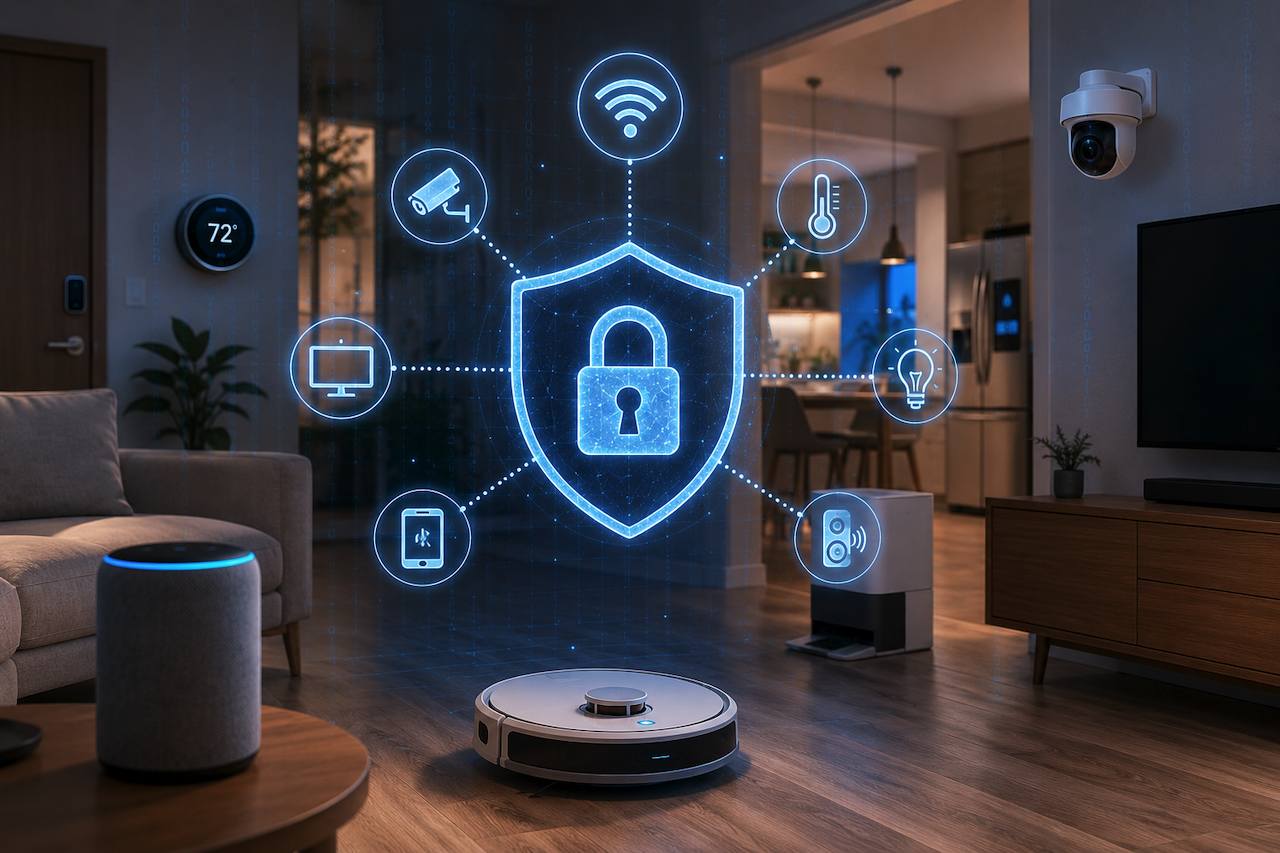
IoT Security in the Smart Home Ecosystem: Best Practices for Securing Connected Household Appliances Against Network Vulnerabilities
Walk into a modern home in 2026, and you will find far more devices connected to the local network than most families can name off the top of their heads. Smart thermostats, voice...
Read More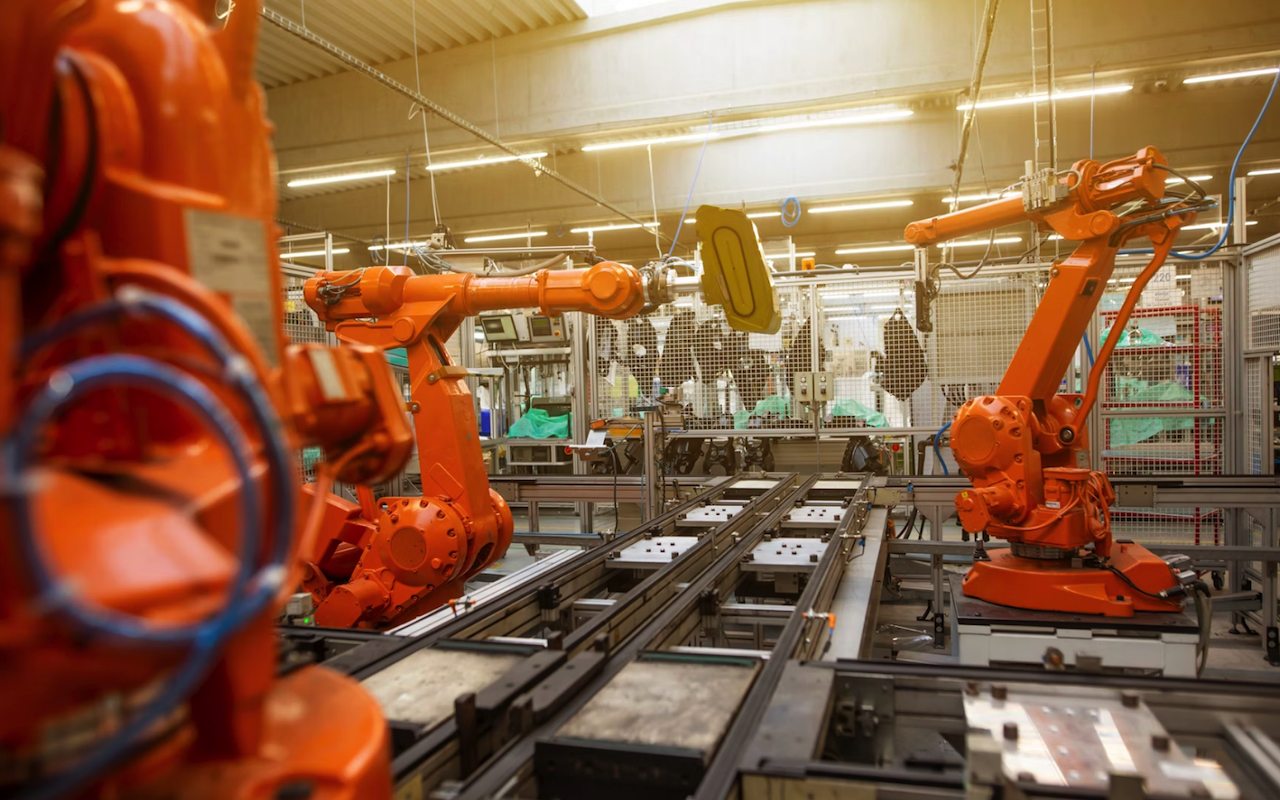
December 8, 2025
Securing the Smart Factory: How High-Quality Robotics Wiring Protects IoT Networks
Robotics drives the new factory floor. Lines move faster. Decisions fire in real time. Each machine depends on clean data to act with precision. This shift creates both strengt...
Read More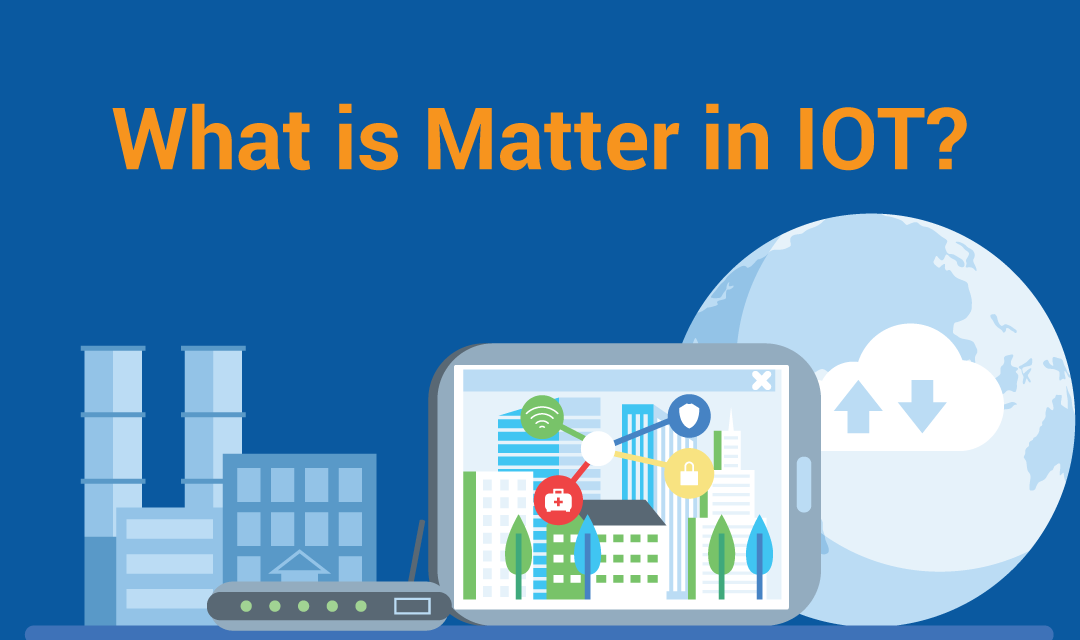
September 25, 2023
What is Matter in IoT? - The next generation smart home protocol
Matter is an open-source connectivity standard that aims to increase compatibility among smart home and IoT devices. Matter is a relatively new standard, which was first published...
Read More
Comments
Comments are available to signed-in users and are moderated to keep the discussion useful and respectful. Spam, automated submissions, and low-value promotional comments are removed. Outbound links may be approved when they are relevant and genuinely helpful to readers, but they are displayed as plain text rather than clickable hyperlinks.
No comments have been published yet.
Please sign in to submit a comment.