

Identity Theft Recovery Explained: How Consumers Can Protect Themselves and Recover Faster
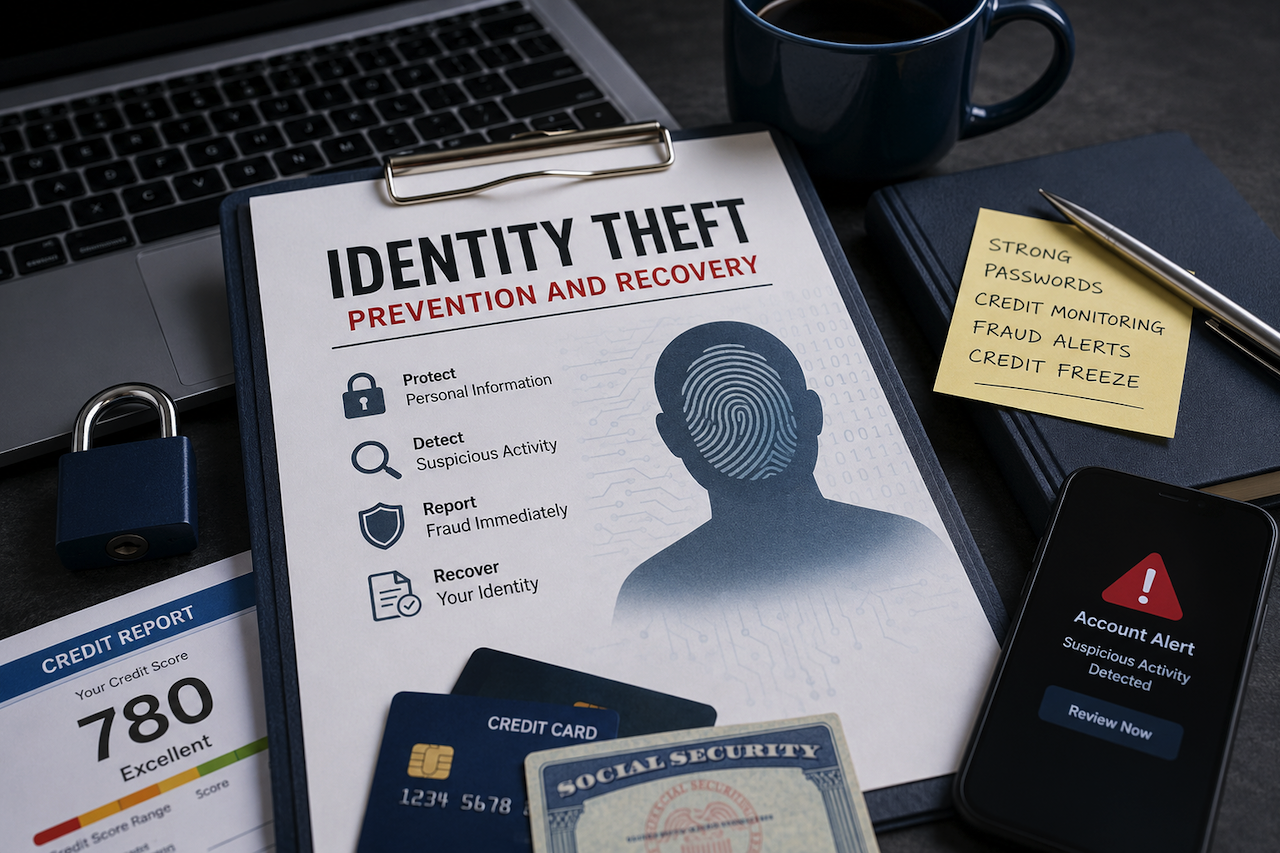
Identity theft is no longer a distant threat that happens to someone else. It has become one of the most pervasive and financially damaging crimes facing American consumers. As criminals gain access to more personal information through data breaches, phishing attacks, and online scams, the process of recovering from identity theft has become increasingly complex.
While many consumers focus on preventing identity theft, fewer understand what happens after their information has been compromised. Recovery can take months, require extensive documentation, and involve communication with banks, creditors, government agencies, and credit bureaus. Understanding both prevention and recovery strategies has become an essential part of personal financial security.
The Scale of the Problem
The numbers behind identity theft illustrate why the issue deserves attention. According to the Federal Trade Commission's 2024 Consumer Sentinel Network report, more than 1.1 million reports of identity theft were filed through IdentityTheft.gov in 2024 alone. Total reported fraud losses across all categories reached $12.5 billion, representing a 25% increase over the previous year. Credit card fraud remained the most commonly reported form of identity theft, accounting for nearly 450,000 reports.
Those figures likely represent only a portion of actual incidents. Many cases go unreported, and victims often discover fraud months after it occurs. A 2024 analysis by the Identity Theft Resource Center found that nearly half of surveyed victims still had unresolved identity theft issues more than a year after discovering the crime.
The impact extends beyond financial losses. Victims frequently spend significant time correcting credit reports, disputing fraudulent accounts, replacing documents, and restoring access to compromised accounts.
How Identity Theft Happens
Identity theft can take many forms, but most incidents begin with criminals obtaining access to personal information.
Common sources include:
- Data breaches exposing customer records
- Phishing emails and fraudulent websites
- Social engineering scams
- Stolen mail
- Account takeover attacks
- Malware and spyware infections
- Weak or reused passwords
- Publicly exposed personal information
Once criminals gain access to personal data, they may open new credit accounts, file fraudulent tax returns, access financial accounts, apply for loans, or commit other forms of fraud using the victim's identity.
Early Warning Signs of Identity Theft
Detecting identity theft quickly can significantly reduce the damage.
Consumers should pay attention to:
- Unauthorized charges on financial accounts
- Bills or collection notices for unfamiliar accounts
- Credit inquiries that were not authorized
- Missing mail or unexpected account notifications
- Denied credit applications despite a strong credit history
- Alerts from banks or credit monitoring services
- Password reset notifications that were not requested
In many cases, victims discover identity theft only after receiving a notice from a lender like Achieve, a collection agency, or a financial institution.
What to Do If Identity Theft Occurs
The first hours and days after discovering identity theft are often the most important.
Consumers should begin by documenting suspicious activity and contacting affected financial institutions immediately. Many banks and credit card issuers have dedicated fraud departments that can freeze accounts, reverse unauthorized transactions, and begin investigations.
Additional steps typically include:
- Reporting the theft through IdentityTheft.gov
- Filing fraud reports with relevant financial institutions
- Placing fraud alerts with credit bureaus
- Considering a credit freeze
- Updating compromised passwords
- Reviewing credit reports for unauthorized activity
- Retaining records of all communications and documentation
The Federal Trade Commission and credit bureaus provide guidance designed to help consumers restore their identity and prevent additional misuse of their information.
Why Identity Recovery Can Be So Difficult
Many people assume that once fraudulent charges are removed, the problem is solved. In reality, recovery can become a lengthy administrative process. According to OmniWatch's 2025 identity theft statistics report, many identity theft victims continue dealing with the consequences of fraud months after the initial incident, highlighting how recovery often extends well beyond reversing unauthorized charges.
Victims often spend months communicating with creditors, disputing fraudulent accounts, correcting credit reports, and gathering supporting documentation. In more severe cases, identity theft can affect employment records, tax filings, government benefits, or medical records.
The recovery process may involve:
- Completing affidavits
- Filing police reports
- Providing notarized documents
- Corresponding with creditors
- Replacing government-issued identification
- Monitoring credit activity over an extended period
The time commitment alone can become a significant burden, particularly for victims managing multiple compromised accounts.
Identity Protection and Monitoring Services
Because identity theft can be difficult to detect, many consumers use identity protection services that provide monitoring and alert capabilities. The OmniWatch identity protection platform is one example of a service that combines monitoring tools with identity restoration resources designed to help consumers respond to potential identity theft incidents.
Depending on the provider, these services may include:
- Credit monitoring
- Dark web monitoring
- Data breach notifications
- Financial account monitoring
- Social Security number monitoring
- Identity restoration assistance
These tools cannot prevent every instance of identity theft, but they may help identify suspicious activity earlier than would otherwise be possible.
Early detection often reduces the overall damage and can simplify the recovery process.
Where Identity Theft Insurance Fits In
Identity theft insurance is one tool that may help reduce the financial burden associated with recovering from identity theft.
Some identity protection providers include identity theft insurance as part of broader protection plans that combine monitoring, alerts, and identity restoration assistance.
Unlike fraud protections offered by banks and credit card issuers, identity theft insurance typically focuses on reimbursing certain recovery-related expenses. Depending on the policy, covered costs may include legal fees, lost wages, document replacement expenses, notarization costs, and other administrative expenses incurred during the restoration process.
Coverage limits and exclusions vary significantly between providers. Consumers considering identity theft insurance should review policy details carefully and understand exactly what expenses qualify for reimbursement.
While identity theft insurance can help offset recovery costs, it is generally most effective when combined with preventive measures such as credit monitoring, account alerts, strong passwords, and multifactor authentication.
Who Faces the Greatest Risk
Identity theft can affect anyone, but certain groups may face greater exposure.
Research based on FTC data and consumer surveys suggests that adults in their peak earning years often face elevated risk because they manage multiple financial accounts, credit relationships, and assets. Older adults frequently experience some of the highest financial losses when identity theft occurs, while younger consumers increasingly face account takeover and digital fraud risks.
At the same time, awareness remains uneven. Many consumers express concern about identity theft but have not taken basic protective steps such as enabling multifactor authentication, monitoring credit reports, or freezing credit files when appropriate.
Building a Layered Defense Against Identity Theft
There is no single solution that eliminates identity theft risk entirely. The most effective approach combines prevention, monitoring, and recovery planning.
Consumers can strengthen their protection by:
- Using unique passwords for every account
- Enabling multifactor authentication
- Monitoring financial accounts regularly
- Reviewing credit reports periodically
- Being cautious with unsolicited emails and messages
- Limiting the sharing of personal information online
- Responding quickly to suspicious activity
Conclusion
Identity theft continues to affect millions of consumers each year, and recovering from it can require significant time, effort, and financial resources. While no solution can eliminate the risk entirely, understanding how identity theft occurs, recognizing warning signs early, and taking advantage of monitoring, restoration, and insurance options can help reduce the impact. A proactive approach that combines strong security practices with ongoing account monitoring remains one of the most effective ways to protect personal information in an increasingly digital world.
Disclaimer
This article is provided for informational and educational purposes only and should not be considered legal, financial, insurance, or professional advice. Readers should consult qualified professionals regarding their specific circumstances before making decisions related to identity protection, insurance coverage, or financial matters. References to third-party products, services, organizations, or websites are provided for informational purposes and do not constitute an endorsement by IPLocation.net. While we strive to reference reputable sources, IPLocation.net does not guarantee the accuracy, completeness, or timeliness of information found on external websites. IPLocation.net is not responsible for the content, availability, policies, or practices of any third-party websites linked from this article and shall not be liable for any damages or losses arising from the use of such external resources.
Featured Image generated by ChatGPT.
Related Articles

March 7, 2026
Obituary Scams And Identity Theft After Death
It’s easy to assume an obituary is just a simple announcement, but honestly, it can hand criminals exactly what they need to steal someone’s identity. If you keep sensitive details...
Read More
March 19, 2024
Protect Yourself: Tips to Avoid Online Car Purchase Scams
The convenience of buying a car online has become increasingly popular. However, with this convenience comes the risk of falling victim to online scams. Whether you're purchasing a...
Read More
November 20, 2023
Internet Fraud: How to Avoid Becoming a Victim and Protect Your Business
In the era where digital interconnectivity has become a standard part of life, the internet serves as a vital tool for both personal and professional purposes. However, this increa...
Read More
Comments
Comments are available to signed-in users and are moderated to keep the discussion useful and respectful. Spam, automated submissions, and low-value promotional comments are removed. Outbound links may be approved when they are relevant and genuinely helpful to readers, but they are displayed as plain text rather than clickable hyperlinks.
No comments have been published yet.
Please sign in to submit a comment.