

Ecommerce, Digital Marketing, Technology
How WebAR Is Reshaping Online Shopping and Marketing

WebAR is changing the way brands engage customers by bringing augmented reality directly into the browser. Unlike traditional AR experiences that require users to download an app, web-based augmented reality marketing allows shoppers to interact with virtual products through a simple link or QR code, making immersive experiences more accessible.
In online shopping, this technology helps bridge the gap between digital browsing and real-world experiences. Customers can visualize furniture in their homes, try on virtual products, preview accessories, or explore 3D products before making a purchase. This gives shoppers more confidence in their decisions while creating a more interactive and memorable buying journey.
For marketers, WebAR provides new ways to capture attention and encourage customer participation. Brands can turn packaging, advertisements, product pages, and social campaigns into interactive experiences. Instead of simply viewing an ad, customers can scan a QR code and immediately explore products, play an AR game, or interact with branded 3D content.
As consumers increasingly expect personalized and engaging digital experiences, browser-based AR is becoming a valuable tool for both e-commerce and marketing. Its accessibility, interactivity, and low barrier to entry make it easier for brands to connect the physical and digital worlds while creating experiences that stand out.
What Is WebAR and How Does It Work?
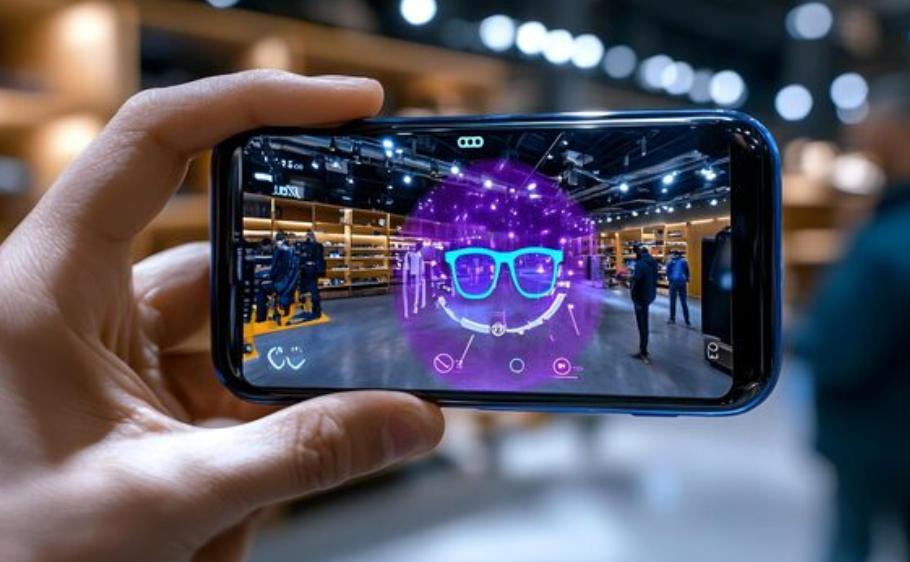
WebAR, short for Web-based Augmented Reality, is an AR experience that runs directly in a web browser instead of requiring users to download a dedicated mobile app. By opening a link or scanning a QR code, users can access interactive AR content through compatible smartphones, tablets, or other devices.
So, how does it work? The process typically starts when a user opens a link or scans a QR code. The browser requests access to the device’s camera, allowing the experience to detect the surrounding environment or a specific image, marker, or location. The system then uses technologies such as computer vision and device sensors to understand the user’s position and surroundings.
Once the environment is recognized, digital content—including 3D models, animations, videos, or interactive elements—is rendered on the camera view. These virtual elements can remain anchored to a real-world surface or respond to the user’s movements and interactions.
Because the technology works through a browser, users can enter an AR experience with fewer barriers than app-based AR. This makes it particularly useful for marketing, e-commerce, education, events, and product demonstrations, where brands want customers to engage with interactive content quickly and conveniently.
Why Should You Use WebAR in a Marketing Campaign?
WebAR is not only a new way to display products, but also gives brands a practical tool for creating memorable marketing experiences. Here are some reasons brands and businesses may consider using it in their campaigns.
1. Attract Consumers with an Interactive Experience
AR can change traditional marketing from something that is simply viewed by the customer to something that allows the customer to participate actively. By merging virtual elements with actual surroundings, brands and businesses can run campaigns that encourage consumers to interact.
Rather than just scrolling through an advertisement on the internet, customers can test out products, view 3D graphics, play games, or interact with branded content through their browser. According to the Interactive Advertising Bureau (IAB), AR technology can help foster an emotional connection.
2. No Need to Download an App
One of the strengths of WebAR technology is its low barrier to entry. A person can simply use a provided link or QR code to access augmented reality content in a web browser, without the additional step of downloading an application. The simplicity of access can make it easier for users to engage with a campaign.
3. Easily Integrate with Marketing Campaigns
Browser-based AR can be integrated into different types of marketing campaigns, whether through social media advertisements, product packaging, or offline materials. Brands can add a QR code or web link to existing campaign materials and provide users with access to interactive content.
4. Reach a Wider Consumer Base
Since WebAR runs directly in a browser, consumers can access AR content without installing an app. This saves users time and device space while making campaigns easier to share across websites, social media, email, packaging, and offline advertising. As a result, brands can connect with audiences across multiple channels.
5. Connect Physical and Digital Marketing
AR can extend traditional marketing materials beyond static content. Packaging, posters, billboards, brochures, and product displays can include QR codes that launch interactive digital experiences. A physical advertisement can therefore become an entry point to a digital campaign, creating a connection between offline and online marketing.
6. Collect Valuable Marketing Insights
Campaigns can also provide useful engagement data, depending on the platform and tracking setup. Marketers can monitor metrics such as visits, interactions, and campaign engagement to understand how audiences respond. These insights can help brands evaluate performance and refine future marketing strategies.
Examples of Web-Based Augmented Reality for Marketing
From virtual try-ons to interactive brand activations, brands and businesses have incorporated browser-based AR into their campaigns. Here are some real-world examples that show how brands have used the technology to engage consumers.
1. Burger King Tiny Tinie “Whoppa”
Burger King partnered with British rapper Tiny Tinie for a WebAR experience promoting its Whopper. By scanning a QR code, users could launch interactive AR content through their phones and engage with Tiny Tinie in a playful digital environment. The campaign combined entertainment, music, and branded content to create a memorable customer experience.
2. Coca-Cola AR Packaging
Coca-Cola has experimented with AR-enabled packaging to turn ordinary bottles and cans into interactive brand touchpoints. By scanning specially designed packaging with a smartphone, consumers can unlock digital content and engage with the brand beyond the physical product.
3. Pizza Hut PAC-MAN WebAR Game
Pizza Hut partnered with PAC-MAN to create an interactive WebAR game that brought the classic arcade experience into the real world. Customers could scan a QR code on Pizza Hut packaging or promotional materials to launch the game in their browser.
Advice for Businesses Working with WebAR
WebAR can open up new possibilities for marketing, e-commerce, and customer engagement, but simply adding AR to a campaign does not guarantee success. Businesses should focus on creating experiences that are useful, accessible, and aligned with their marketing goals. Here are some practical tips to make the most of the technology.
1. Start with a Clear Marketing Goal
Before creating an AR experience, determine what you want to achieve. Is the goal to increase product engagement, generate leads, drive sales, build brand awareness, or encourage social sharing? A clear objective will help you choose the right format and define the metrics you need to track.
2. Don’t Be Afraid to Get Creative
The flexibility of WebAR gives brands plenty of room to experiment. Think beyond basic product visualization and consider interactive games, virtual try-ons, storytelling experiences, AR packaging, or immersive product demonstrations. The most effective experiences often give users a reason to interact rather than simply placing a 3D object on the screen.
3. Keep the User Experience Simple
An impressive AR experience can still fail if users struggle to access or navigate it. Keep instructions short and clear, minimize unnecessary steps, and make important interactions easy to understand. Since browser-based AR is designed to reduce the friction associated with app-based AR, businesses should avoid introducing complicated processes that undermine this advantage.
4. Optimize for Different Devices
Users may access a campaign from different smartphones, browsers, and network conditions. Test the experience across a range of devices before launch. Pay particular attention to loading speed, camera permissions, tracking stability, and the performance of 3D assets. Lightweight models and optimized media can help create a smoother experience.
5. Make AR Part of a Larger Campaign
AR should not exist in isolation. Connect the experience with your website, social media, packaging, email marketing, physical advertising, or other campaign channels. For example, a QR code on product packaging could launch a WebAR demonstration and then direct users to a product page. This creates a clear journey from interaction to action.
6. Measure Performance and Improve
Define relevant KPIs before launching your campaign. Depending on your objective, these might include AR views, interaction rates, session duration, clicks, conversions, or social shares. Analyze the results to identify what worked and what needs improvement. A successful AR strategy is often an iterative process rather than a one-time campaign.
7. Prioritize Value Over Novelty
Finally, ask whether the AR experience genuinely helps or entertains your audience. The technology should solve a problem, provide useful information, or create an enjoyable interaction—not simply demonstrate that a brand uses new technology. When AR has a clear purpose and fits naturally into the customer journey, it is much more likely to deliver meaningful results.
To Sum Up
WebAR is reshaping online shopping and marketing by making augmented reality more accessible, interactive, and convenient. Unlike app-based AR, the technology allows users to access immersive experiences directly through a web browser, reducing the friction of downloads and installations.
For e-commerce brands, browser-based AR can help customers visualize products, explore 3D models, and make more informed purchase decisions. For marketers, it creates new opportunities to turn advertisements, packaging, social campaigns, and physical displays into interactive brand experiences.
However, successful campaigns require more than impressive visuals. Businesses should start with clear goals, prioritize user experience, optimize content for different devices, and connect AR with broader marketing strategies. Most importantly, the experience should provide genuine value rather than serve as a novelty.
As WebAR technology continues to evolve, businesses that use it thoughtfully can create more engaging customer journeys while connecting the digital and physical worlds in meaningful ways.
Comments
Comments are available to signed-in users and are moderated to keep the discussion useful and respectful. Spam, automated submissions, and low-value promotional comments are removed. Outbound links may be approved when they are relevant and genuinely helpful to readers, but they are displayed as plain text rather than clickable hyperlinks.
No comments have been published yet.
Please sign in to submit a comment.