

How to Replace and Install a Kitchen Sink: A Homeowner’s Guide to Sink Upgrades, Cabinets, Countertops, and General Contractor Planning
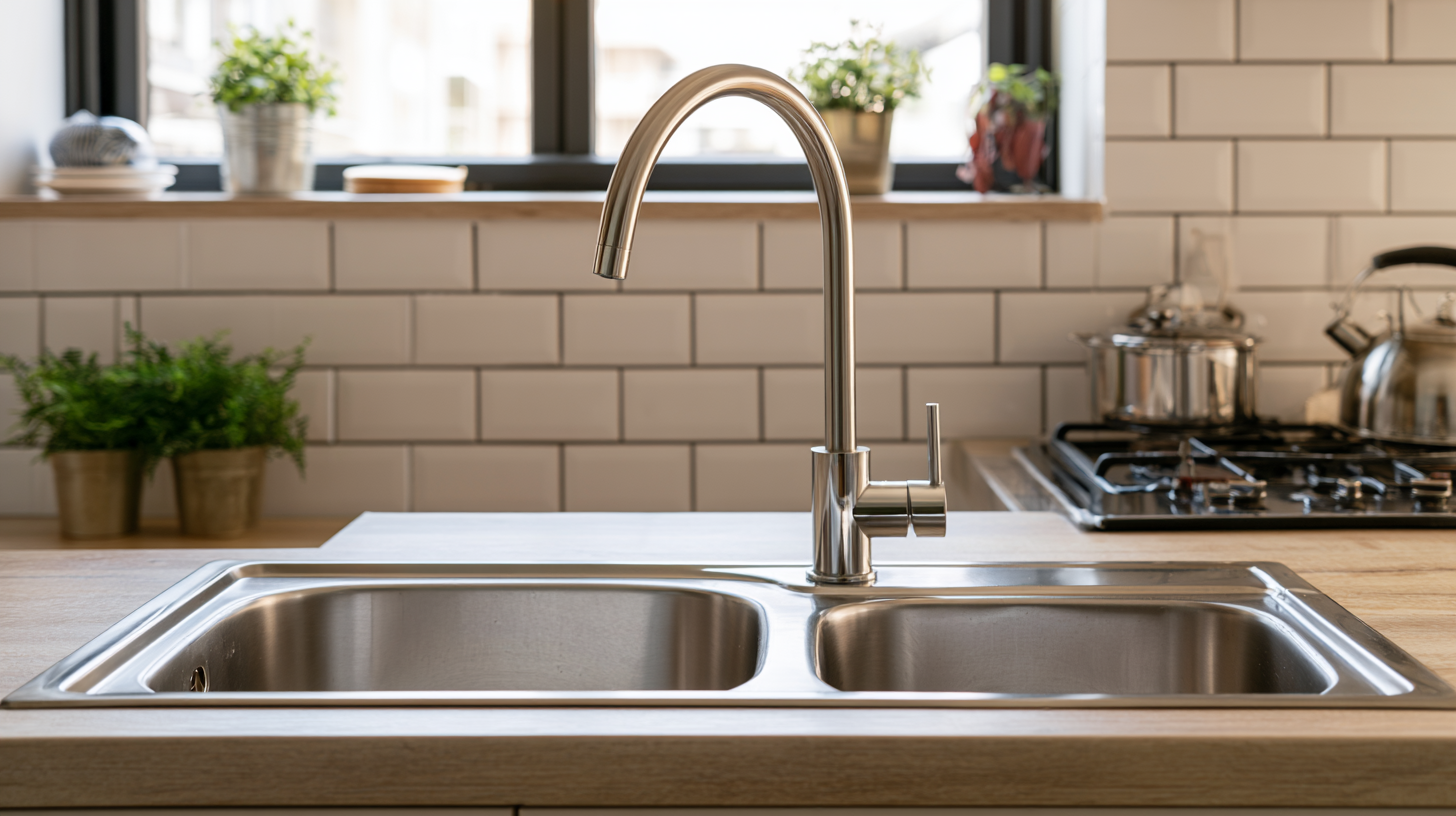
Replacing a kitchen sink can make a noticeable difference in how your kitchen looks and functions. A deeper basin, updated faucet, better drain setup, or more durable sink material can improve daily tasks like washing dishes, prepping food, and cleaning up after meals.
For some homeowners, learning how to replace and install a kitchen sink is a manageable DIY project. For others, it may quickly become part of a larger kitchen update, especially if the new sink requires countertop cutting, cabinet modifications, plumbing changes, or a different mounting style.
Before removing the old sink, it is important to understand the type of sink you have, the type you want, and whether the new one will fit the existing opening. Careful planning can help prevent leaks, poor fit, damaged countertops, and unnecessary expenses.
Before You Replace a Kitchen Sink
The planning stage is one of the most important parts of sink replacement. A kitchen sink is connected to the countertop, cabinet base, faucet, water supply lines, drain, garbage disposal, and sometimes the dishwasher drain line. If one part does not line up properly, the project can become more complicated.
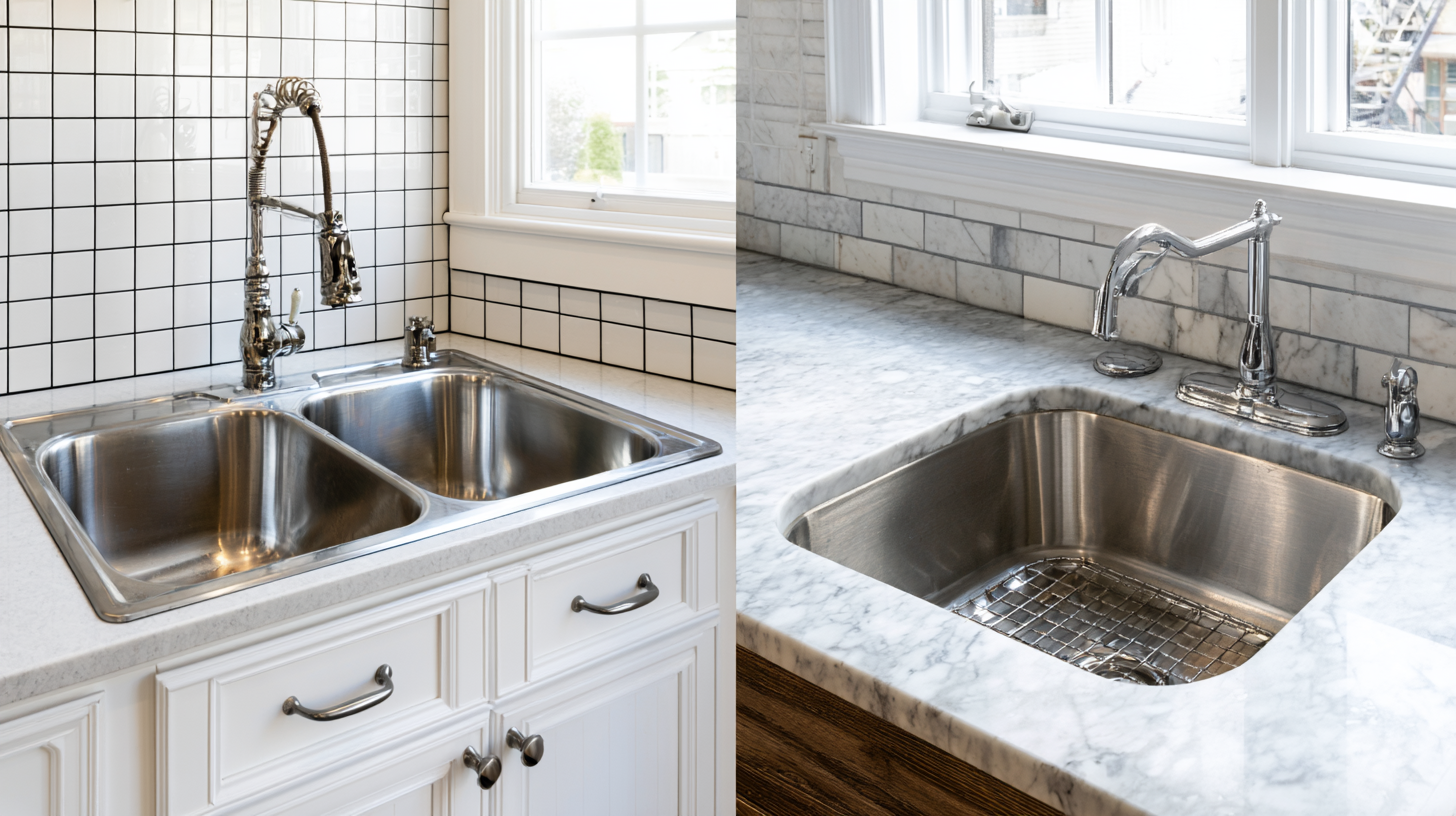
Start by identifying your current sink type. A drop-in sink, also called a top-mount sink, sits on top of the countertop and is usually easier to replace. An undermount sink attaches underneath the countertop and often requires more precision, especially with stone or solid-surface counters. A farmhouse or apron-front sink may require cabinet modifications because the front of the sink is exposed.
Next, measure carefully. Measure the sink’s width, length, depth, and the countertop opening. If you want the simplest replacement, choose a sink that fits the existing cutout. A deeper sink may look appealing, but it can affect drain alignment and reduce usable space inside the cabinet below.
You should also check the faucet holes. Some sinks have one hole, while others have three or four. Depending on your setup, you may need holes for the faucet, sprayer, soap dispenser, air gap, or filtered water tap. Choosing a sink that does not match your faucet needs can create extra work.
Tools and Materials You May Need
The exact tools depend on the sink type and plumbing setup, but most kitchen sink replacements require a few basic items.
Common tools and materials include an adjustable wrench, basin wrench, screwdriver, utility knife, putty knife, bucket, towels, plumber’s tape, silicone sealant, plumber’s putty, caulk gun, mounting clips, new drain assembly, new supply lines if needed, safety gloves, and eye protection.
If your sink has a garbage disposal, you may also need tools to disconnect and reinstall it. If electrical power is connected to the disposal, turn off the power at the breaker before working near it.
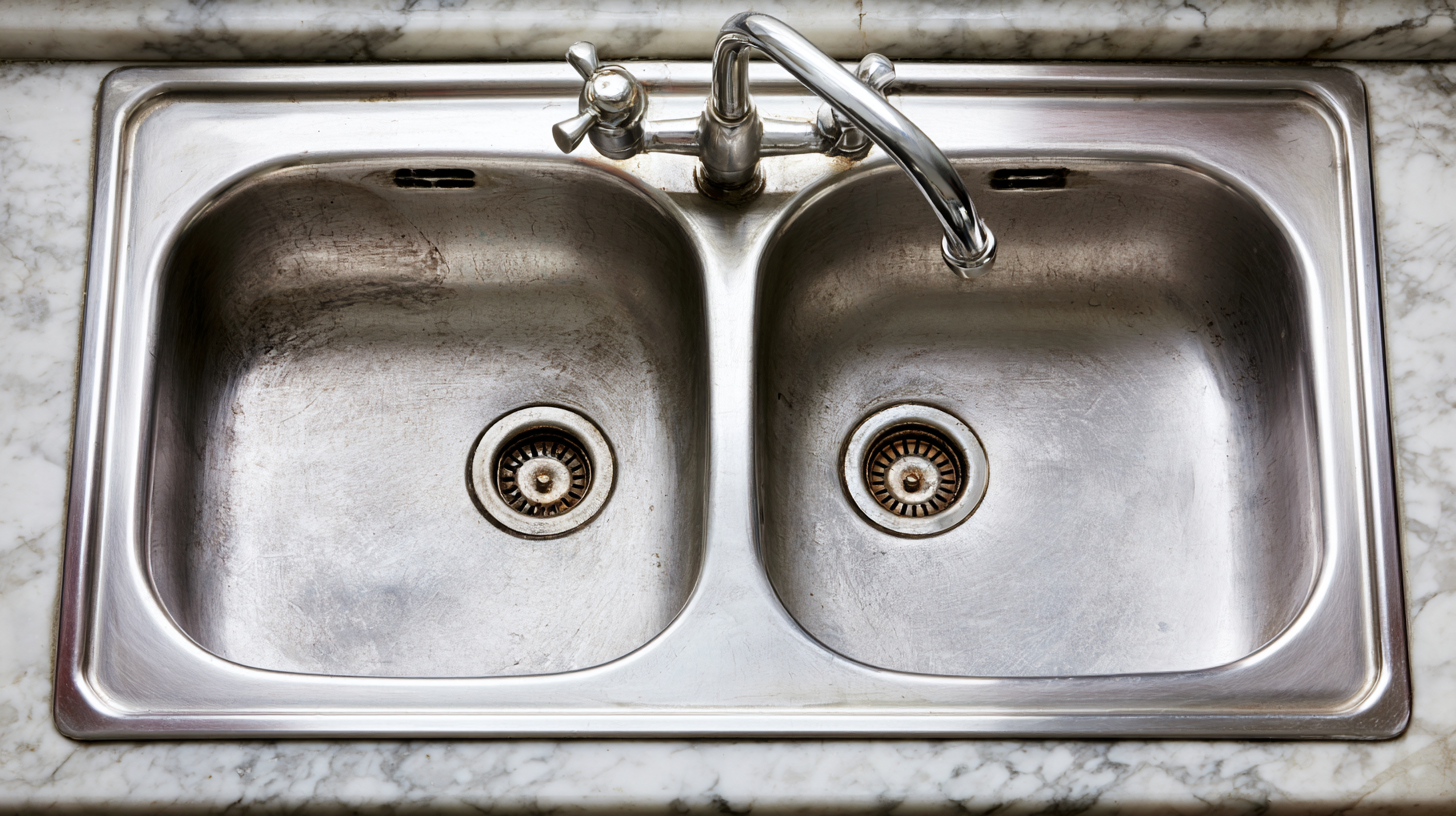
How to Remove the Old Kitchen Sink
Begin by clearing everything out from under the sink. Place towels and a bucket below the plumbing to catch any remaining water.
Turn off the hot and cold water supply valves under the sink. Then turn on the faucet to release pressure and confirm the water is off. If the valves do not shut off completely, you may need to shut off the water to the house before continuing.
Next, disconnect the water supply lines from the faucet. Use a wrench carefully and avoid forcing old connections, especially if they are corroded. Then disconnect the drain trap and drainpipes. If there is a garbage disposal, disconnect it according to the manufacturer’s instructions. If the dishwasher drain line connects to the disposal or drain, disconnect that as well.
Before taking everything apart, it is helpful to take a photo of the plumbing setup. This gives you a reference when reconnecting the new sink.
Once the plumbing is disconnected, loosen the sink from the countertop. For a drop-in sink, this usually means cutting through the old caulk or sealant around the edge and removing the clips underneath. Use a utility knife carefully to break the seal. Then lift the old sink out of the opening.
After removal, clean the countertop surface thoroughly. Scrape away old caulk, sealant, plumber’s putty, and debris. A clean surface helps the new sink seal properly.
How to Install a New Kitchen Sink
Before applying sealant, dry-fit the new sink. Place it into the opening and confirm that it sits flat, covers the cutout, and lines up with the faucet and drain connections. This step is important because it gives you a chance to catch problems before the sink is secured.
If the sink fits properly, install the faucet and drain components before setting the sink permanently. It is usually easier to attach the faucet, soap dispenser, drain strainer, and other accessories while the sink is outside the countertop. Follow the manufacturer’s instructions and use plumber’s putty or silicone where recommended.
Next, apply silicone sealant around the edge of the countertop opening or under the rim of the sink, depending on the sink type. Carefully lower the sink into place. Make sure it is centered and properly aligned. For drop-in sinks, secure the mounting clips underneath. Wipe away excess sealant before it dries.
Once the sink is secured, reconnect the water supply lines, drainpipes, garbage disposal, and dishwasher drain line if applicable. Make sure connections are snug, but do not overtighten them. Overtightening can damage fittings and create leaks.
Turn the water back on slowly and check each connection. Run hot and cold water. Fill the sink slightly, then drain it while watching the plumbing below. Check around the faucet, drain, supply lines, trap, disposal, and dishwasher connection. Even a small drip should be fixed before putting items back under the sink.
Common Mistakes to Avoid
One of the most common mistakes is buying a sink that does not match the existing countertop opening. A sink that is too small may not cover the cutout, while a sink that is too large may require countertop cutting.
Another mistake is forgetting to check faucet hole compatibility. If the new sink does not support the faucet and accessories you want, you may need a different sink or a different fixture setup.
Homeowners also sometimes install a deeper sink without checking the drain height. A deeper basin can lower the drain, which may cause alignment issues with the existing plumbing.
Other common mistakes include skipping sealant, using the wrong sealant, overtightening plumbing connections, failing to reconnect the dishwasher drain line correctly, or not testing for leaks long enough before using the sink normally.
When Sink Replacement Becomes a Bigger Kitchen Project
A sink replacement is usually simple only when the new sink matches the existing size, mounting style, faucet setup, and plumbing layout. If you are changing from a drop-in sink to an undermount sink, installing a farmhouse sink, replacing countertops, or modifying cabinets, the project may require more than basic plumbing work.
If a sink replacement requires countertop adjustments, cabinet modifications, plumbing changes, or broader kitchen updates, working with a general contractor like Capital Construction can help homeowners coordinate the project beyond a simple fixture swap.
This matters because a kitchen sink connects to multiple parts of the kitchen. Changing one item can affect the countertop, cabinet base, faucet, drain, disposal, dishwasher, backsplash, and surrounding finishes.
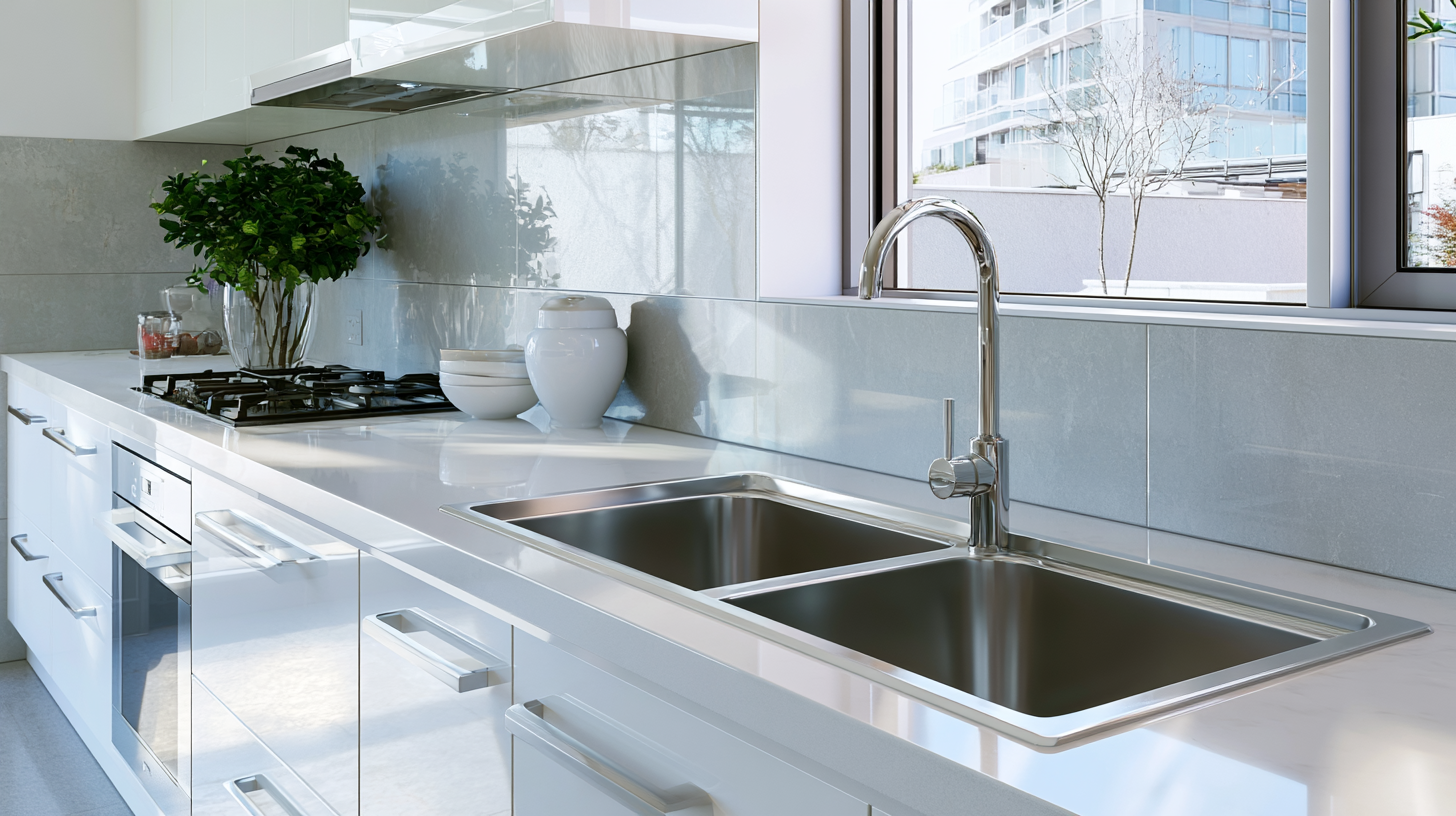
Choosing the Right Sink for Your Kitchen Design
The best sink is not only the one that fits. It should also match how you use your kitchen.
Stainless steel sinks are popular because they are durable, versatile, and easy to clean. Fireclay sinks offer a classic look and are often used in farmhouse-style kitchens. Cast iron sinks are heavy and durable but may require strong support. Composite granite sinks provide a modern look and resist scratches well, though they may require specific cleaning products.
The mounting style also affects the design. Drop-in sinks are practical and easier to replace. Undermount sinks create a cleaner countertop look and make it easier to wipe crumbs into the sink. Workstation sinks include built-in accessories like cutting boards, drying racks, and colanders, which can be useful in smaller kitchens.
Homeowners comparing sinks, countertops, cabinets, flooring, and overall kitchen layout can use Kitchen Search as a helpful resource when planning a more complete kitchen design.
Thinking through the full kitchen design before choosing a sink can prevent mismatched finishes or functional issues. A large sink may look beautiful, but it still needs to work with the cabinet size, countertop material, faucet style, and daily routine.
DIY vs. Professional Kitchen Sink Installation
A simple drop-in sink replacement may be reasonable for a homeowner with basic plumbing experience, the right tools, and a new sink that fits the existing opening. If no countertop cutting is required and the plumbing is in good condition, the project can often be handled without major changes.
Professional installation may be the better choice when the new sink does not fit the current cutout, the drain does not line up, the plumbing is old or corroded, the countertop needs to be cut, or the sink is undermount or farmhouse style. A professional is also helpful when a garbage disposal, dishwasher connection, or new faucet configuration adds complexity.
The main risk with sink installation is water damage. A slow leak under the sink can damage the cabinet, flooring, and nearby materials. If you are unsure about the connections, it is better to get help than risk a hidden leak.
How Much Does Kitchen Sink Replacement Cost?
The cost to replace a kitchen sink depends on the sink type, fixture quality, labor, plumbing condition, and whether extra work is needed. A straightforward replacement using the same sink size and plumbing layout will usually cost less than a project that involves new countertops, a garbage disposal, faucet upgrades, or plumbing relocation.
The sink itself can range from budget-friendly to high-end depending on material and brand. Labor costs rise when the project involves undermount installation, stone countertops, disposal work, dishwasher connections, or cabinet modifications.
For the most accurate budget, homeowners should price the sink, faucet, drain parts, supply lines, sealant, disposal needs, and labor together instead of looking only at the sink price.
Final Checklist Before Using the New Sink
Before using the sink normally, check every connection. Run hot and cold water. Watch the supply lines, faucet base, drain, trap, disposal, and dishwasher drain connection. Fill the sink and let it drain while checking underneath for leaks.
Let the sealant cure according to the manufacturer’s instructions. Avoid putting heavy pressure on the sink or cleaning aggressively around the edges until the seal has fully set.
Once everything is dry, secure, and leak-free, you can reload the cabinet and begin using the new sink.
Final Thoughts
Learning how to replace and install a kitchen sink can help homeowners understand what is involved before starting the project. In simple cases, replacing a drop-in sink with a similar model may be manageable with careful measuring, the right tools, and patient installation.
The key is planning. Measure the existing opening, confirm the mounting style, check faucet holes, review the plumbing, and make sure the new sink works with the countertop and cabinet below.
If the project involves countertop changes, cabinet modifications, plumbing updates, or a larger kitchen design plan, professional help may be the better path. A well-installed sink should not only look good on day one, but also function reliably for years.
Related Articles

April 28, 2026
Top 10 Proven Steps to Protect Your Home From Wildfire Damage
Wildfires can be dangerous for people living near trees or dry grass fields. Preparation can make a significant difference when it comes to protection. Fire damage can be significa...
Read More
January 28, 2026
How Long Does a Roof Last? A Homeowner Guide to Roof Lifespan, Remodeling, and Replacement Planning
A roof is one of the most critical components of any home, yet many homeowners are unsure how long their roof is actually supposed to last. While manufacturer warranties often...
Read More
June 13, 2025
Smart Home Upgrades to Include in Your Next Remodel
Home renovation has evolved beyond aesthetics and functionality to incorporate advanced technology that enhances convenience, efficiency, and security. Smart home upgrades can tran...
Read More
Comments
Comments are available to signed-in users and are moderated to keep the discussion useful and respectful. Spam, automated submissions, and low-value promotional comments are removed. Outbound links may be approved when they are relevant and genuinely helpful to readers, but they are displayed as plain text rather than clickable hyperlinks.
No comments have been published yet.
Please sign in to submit a comment.