

Digital Marketing, Social Media Marketing, Artificial Intelligence
How to Make Multilingual Facebook Ads for International Customers
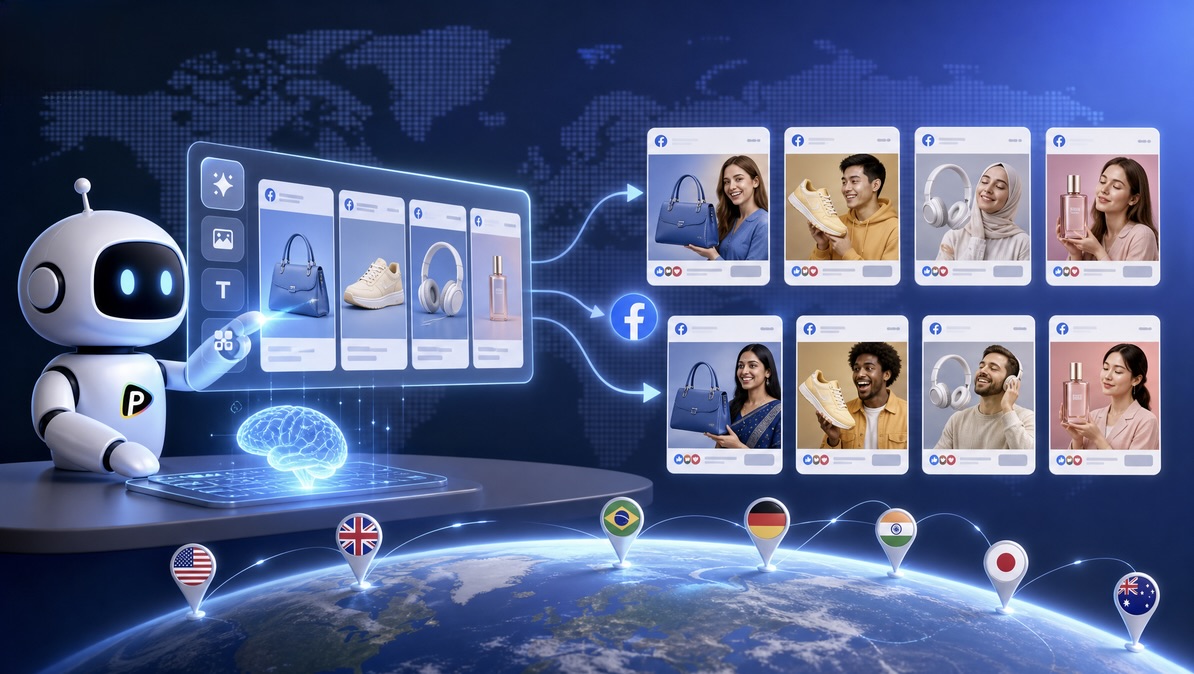
Selling the same product in several countries does not mean the same Facebook ad will work everywhere. Customers may respond differently to the opening message, presenter, language, or even the way a product benefit is explained. The challenge is producing those variations without filming a new ad for every market.
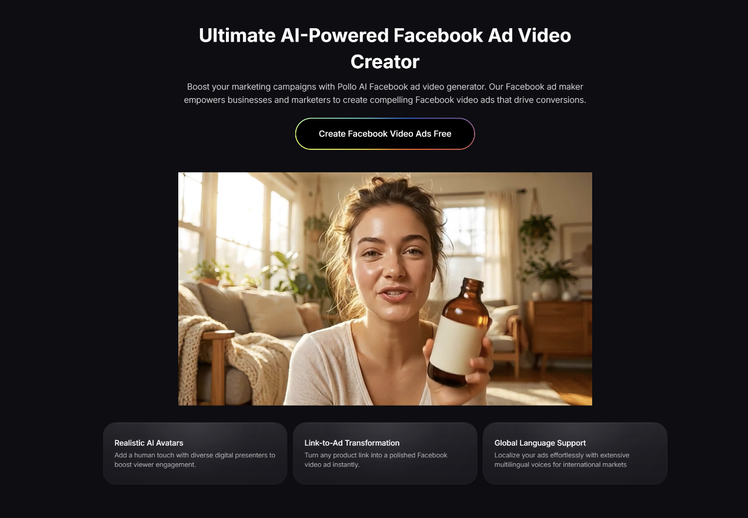
Technology can make this process more manageable. For example, an AI Facebook ad generator can help marketers adapt existing product assets into different video versions, while tools such as Pollo AI may offer options for changing elements like language, voice, messaging, and AI avatars for different audiences.
Planning Multilingual Facebook Ads for Different Markets
Creating multilingual Facebook ads involves more than translating an existing campaign. Product assets, language, voice, messaging, and presentation may all need to be considered when adapting an ad for a different market.
The core product and campaign can remain consistent while elements such as language, messaging, voice, or presentation change by audience. Rather than rebuilding an ad from scratch, marketers can work from a single core concept and adapt the parts that need to be localized.
How to Create Multilingual Facebook Ads
1. Start with One Product and One Clear Selling Point
The first step is not translation. It is deciding what the international campaign is actually selling.
Suppose an online store sells a portable blender. Its U.S. ad might focus on making smoothies at work, while another market might respond better to its compact design for travel. The product has not changed, but the reason to buy it has.
Before creating the ad, the marketer should identify the main benefit for each market and make sure the product page contains accurate information. This is especially important for prices, discounts, shipping details, and measurements. Once the creative direction is clear, tools such as the DeepAI video generator can also be considered when planning different video approaches.
2. Develop the Facebook Ad for Each Market
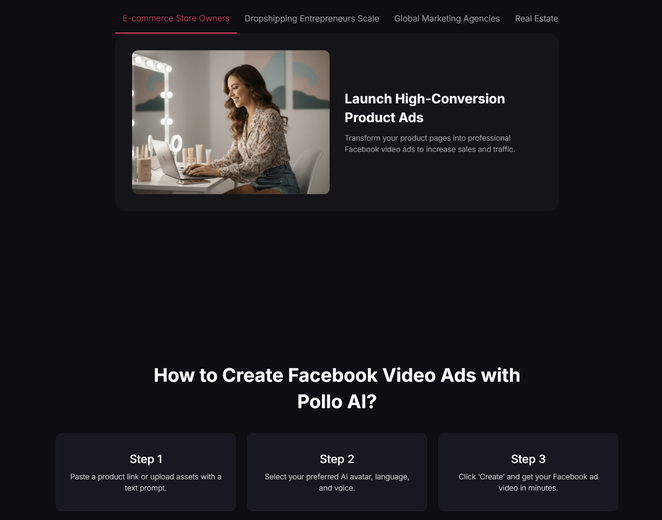
Once the campaign angle has been established, the marketer can begin creating the initial ad using existing product information, images, video clips, branding assets, or other source material. AI tools can also be used to help generate or adapt video content from these materials.
When using a text prompt, it should explain the audience and angle rather than repeat the entire product description. For example:
Create a short Facebook ad for frequent travelers. Focus on the product's compact size and convenience.
One common mistake is trying to include every product feature in a single ad. A crowded brief can result in a crowded message. One strong selling point is that it is usually easier to communicate and adapt across languages.
3. Choose the Language, Voice, and Presentation for Each Market
The language, voice, and presentation should reflect the target audience and the purpose of the campaign. Depending on the creative approach, marketers may use narration, presenters, AI avatars, product demonstrations, or product-focused visuals.
A presenter can work well for a product that needs explanation, while a simple physical product may be better served by product-focused visuals.
The same warning applies to translation: a technically correct translation is not automatically natural advertising copy. Names, currencies, measurements, slogans, product claims, and calls to action should be checked before publication.
4. Create the Localized Video and Check the Details
After the product assets, messaging, language, and other creative elements have been selected, the localized video can be created and reviewed before publication.
The finished video should then be reviewed by someone who understands the target language. The most important checks are pronunciation, on-screen text, product claims, pricing, and whether the wording sounds natural.
A useful test is to watch the video with the sound on and then with the sound off. If the narration explains one offer while the on-screen text shows another, the problem should be fixed before the ad goes live.
5. Create Separate Versions and Compare Results
For international campaigns, it is usually better to create a separate ad for each market rather than putting several languages into one video.
The marketer can keep the core product concept while changing the language, voice, presenter, or opening angle. If one version performs poorly, the next variation can target the weak point instead of changing the entire campaign.
Existing product information and source assets can serve as the starting point for additional Facebook ad variations, reducing the need to rebuild each creative from scratch.
Common Problems with Multilingual Facebook Ads
The biggest mistake is treating localization as translation alone. A French version can be grammatically correct and still sound unnatural. A Japanese version can read well but use a product term that local shoppers rarely use.
Another issue is changing too much between markets. If the product, offer, and visual identity are completely different in every version, it becomes difficult to tell whether performance differences come from the market or the creative.
A better approach is to keep the core offer consistent and change only what needs localization. That gives the campaign a clear baseline while leaving room to test market-specific ideas.
Conclusion
Multilingual Facebook advertising is easier to manage when each market gets its own version rather than a direct copy of the original ad. Technology can reduce some of the production work, but the creative still needs a clear selling point and appropriate localization.
AI tools can assist with parts of the process, such as creating video variations, changing voices, adapting presentation styles, or working from existing product assets. These capabilities can support the production process without replacing the need to review each version for the intended audience.
The practical goal is not to make one ad speak every language. It is to create several versions that still feel like the same campaign while making sense to customers in their own markets.
Comments
Comments are available to signed-in users and are moderated to keep the discussion useful and respectful. Spam, automated submissions, and low-value promotional comments are removed. Outbound links may be approved when they are relevant and genuinely helpful to readers, but they are displayed as plain text rather than clickable hyperlinks.
No comments have been published yet.
Please sign in to submit a comment.