

Internet of Things, Technology, Manufacturing
How to Improve Your Manufacturing Processes
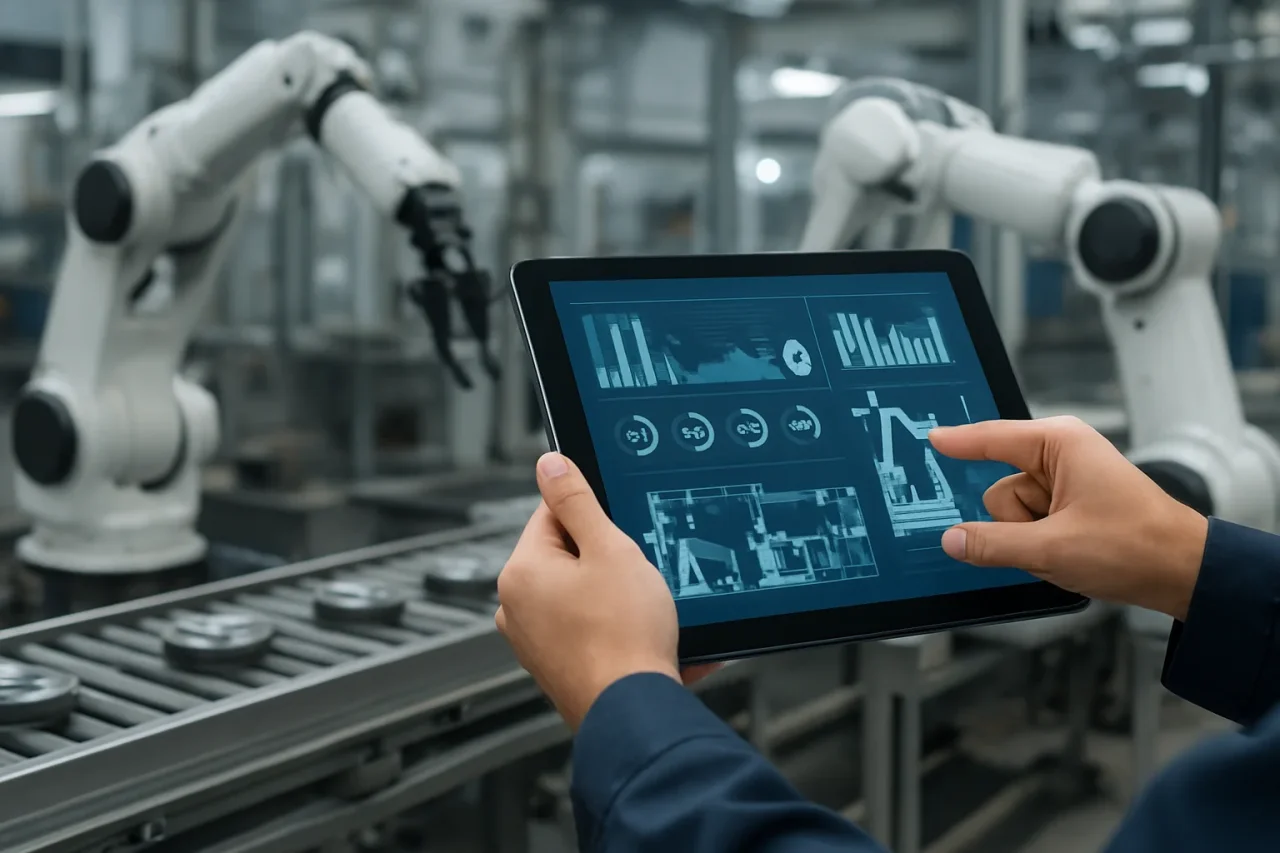
Improving manufacturing processes is essential for staying competitive. Businesses are always looking for ways to boost efficiency, lower costs, and improve product quality. Whether you run a small workshop or a large factory, fine-tuning operations can greatly impact your profits.
Imagine a day when production flows smoothly, machines work well, and output meets or exceeds expectations. This can be a reality. With the right strategies and tools, you can create a successful manufacturing environment. Let’s look at ways to improve your manufacturing processes.
Streamlined Operations
A well-organized operation can greatly increase productivity. Start by mapping each step of your manufacturing line. Understanding how materials, information, and people flow can help you find bottlenecks that slow down production. Using lean manufacturing principles can effectively cut waste and improve overall efficiency.
Streamlining requires regular checks. Frequent audits and assessments help ensure your processes stay efficient as demand changes or new technology is introduced. Keeping communication open between teams lets you make quick adjustments, improving flexibility during production.
Welding Machines
Welding machines are vital in manufacturing, providing the strength needed for reliable product assembly. These machines have evolved over the years, using advanced technology to improve precision and efficiency. Modern welding machines deliver consistent performance, which is essential for maintaining high production standards.
Consider using automated welding machines. They can handle repetitive tasks, allowing skilled workers to focus on more complex challenges and boosting productivity. Innovations in welding technology lead to faster processing and less downtime, making integration into manufacturing workflows easier. Welding machines' ability to work with different materials and welding types makes them important in manufacturing.
Quality Control Systems
Strong quality control systems are key to improving manufacturing processes. By focusing on quality early in production, manufacturers can catch mistakes before they become costly. Quality checks should occur at key points in the manufacturing line to ensure products meet specifications and customer expectations.
Data is crucial for quality control. By using statistical process control (SPC) methods, businesses can analyze data to spot trends and changes in production. This proactive approach enables quick fixes, reducing the risk of defective products and improving overall quality. Furthermore, encouraging a culture of quality within the organization helps employees take pride in their work, leading to better results and higher customer satisfaction.
Welding Supplies
Choosing quality welding supplies is very important. Items like electrodes and welding helmets can greatly affect how well and safely you can weld. High-quality materials help ensure strong and durable welds, which is crucial in manufacturing.
Using good supplies keeps the welding process effective. Good consumables reduce defects and make operations smoother, leading to better final products. Investing in reliable personal protective equipment (PPE) shows a commitment to worker safety and helps create a positive workplace environment. When workers have the right tools and support, they can perform better and help achieve successful results.
Training and Development
A skilled workforce is key to improving manufacturing processes. Regular training and development help employees enhance their skills, adapt to new technologies, and adopt efficient practices. Ongoing education builds loyalty and professionalism among staff and contributes to a dynamic workplace.
Involve employees in decisions about equipment updates or process changes. Front-line workers often have valuable insights into production and can suggest innovative ways to make operations smoother. When employees feel valued and heard, it helps create a culture of continuous improvement.
Technology Integration
Technology can greatly transform manufacturing processes. Automation and data analytics can lead to smarter, faster, and more efficient production lines. Software for inventory management, production tracking, and scheduling provides real-time insights for better decision-making.
Technologies like the Internet of Things (IoT) allow machines to communicate with each other, improving overall efficiency. Monitoring equipment remotely helps manufacturers predict maintenance needs and avoid costly downtime. While investing in technology may cost money at first, the long-term gains in productivity and profits are often worth it.
Mindset of Improvement
Having a mindset of continuous improvement is essential for long-term success in manufacturing. Encourage employees to share their ideas for optimizing processes and celebrate all improvements, big or small. This mindset supports innovation and accountability, leading to a more engaged workforce.
Regularly review and improve processes as the industry changes. Being flexible and open to new methods is crucial for staying competitive. Those who continuously assess and enhance their processes are more likely to succeed over time. Optimizing manufacturing processes is an ongoing journey. With the right tools, a dedicated workforce, and a focus on improvement, your operations can succeed and produce excellent results.
Comments
Comments are available to signed-in users and are moderated to keep the discussion useful and respectful. Spam, automated submissions, and low-value promotional comments are removed. Outbound links may be approved when they are relevant and genuinely helpful to readers, but they are displayed as plain text rather than clickable hyperlinks.
No comments have been published yet.
Please sign in to submit a comment.