

Technology, Automotive, Lifestyle
How Quieter Electric Dirt Bikes Are Changing the Off-Road Experience
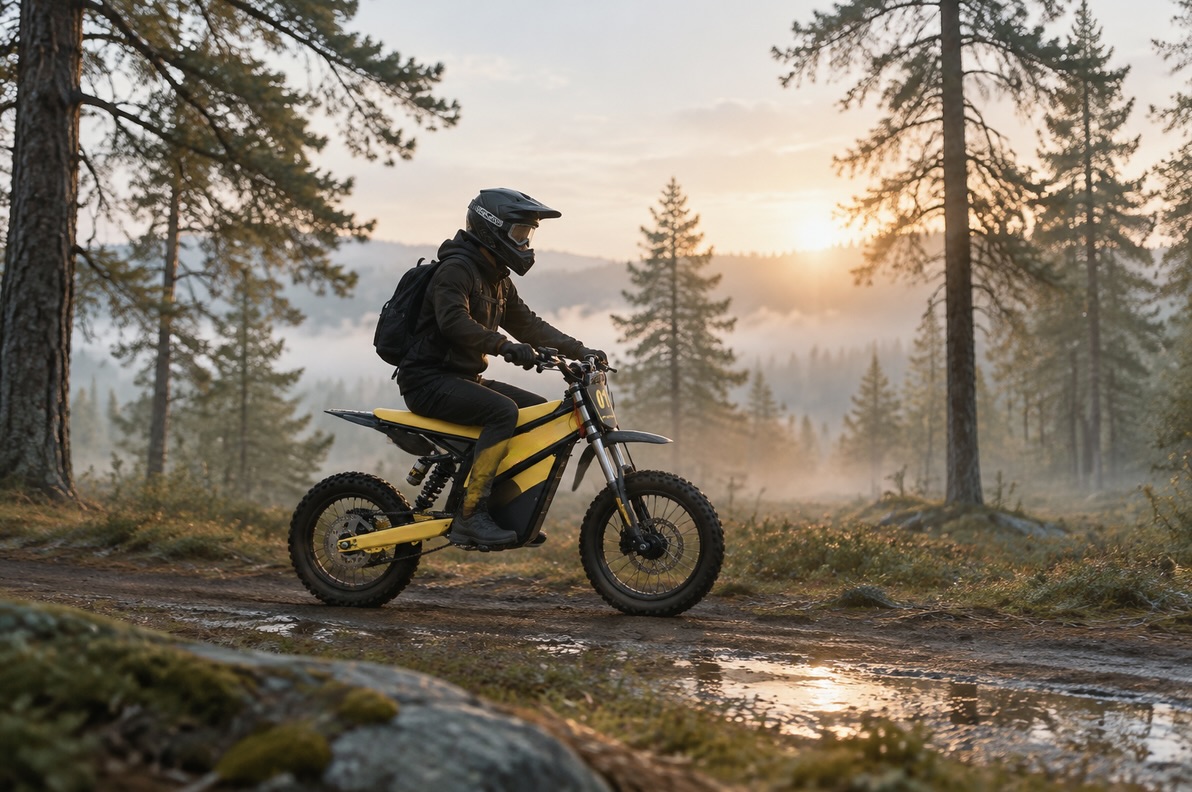
Sound has always been part of off-road riding. For many riders, the note of a gas engine signals acceleration, effort, and mechanical character. It also travels well beyond the bike itself. Engine noise can reach nearby homes, other trail users, and wildlife long before a rider appears. Electric dirt bikes introduce a different relationship with sound, and that change affects more than comfort.
A quieter powertrain can make communication easier, reduce disturbance, and open new possibilities for when and where people ride. It does not make a bike silent, nor does it remove the rider's responsibility to use shared spaces carefully. Tires still move gravel, chains and brakes still make noise, and a fast-moving vehicle can surprise someone who does not hear it approaching. Quieter riding therefore creates both benefits and new etiquette.
Conversation becomes part of the ride
On a group ride, engine noise often forces people to stop and switch off before talking. Electric power changes that dynamic. Riders can discuss a route, warn each other about a difficult section, or check on a less experienced member without competing with an idling engine. This can make group rides feel more social and improve decision-making when conditions change.
The same benefit applies during practice. A coach, parent, or riding partner can give instructions at low speed while the bike remains ready to move. The rider can hear tire grip, suspension movement, and contact with the ground more clearly. These quieter mechanical cues may help someone recognize wheelspin or rough technique without relying only on engine sound.
Less noise does not mean invisible impact
It is tempting to assume that a quieter bike is welcome everywhere. Access rules do not work that way. Land managers may classify a vehicle by power, speed, equipment, or motorized status rather than noise. A trail that prohibits motorcycles may also prohibit a high-powered electric model. Private property still requires permission, and local rules can vary even between nearby riding areas.
Physical impact matters as well. Aggressive acceleration can loosen soil and deepen ruts regardless of the power source. Riding around puddles can widen trails, while repeated skidding damages the surface. Electric riders earn trust by controlling speed, staying on designated routes, and avoiding wet or vulnerable terrain when use would cause lasting damage.
Quiet bikes require active awareness
Other people may not hear an electric dirt bike approaching. Riders should reduce speed near blind corners, trail crossings, parked vehicles, and groups on foot. A bell, voice warning, or brief stop can be more appropriate than passing silently. Giving hikers, cyclists, and equestrians generous space is not only polite; it reduces the chance that a person or animal reacts unpredictably.
Riders should also avoid treating quiet operation as permission for late-night use near homes. Electric drive reduces engine noise, but repeated passes, tire noise, voices, and loading activity can still disturb neighbors. The most sustainable riding spots are often those where users communicate with property owners and respect agreed-upon hours.
Product design can support a different culture
The growing category includes machines built around performance without a combustion engine. Riders researching electric dirt bikes can compare how motor output, riding modes, brakes, and chassis design contribute to controlled use. Quiet operation is most valuable when the rider can also precisely control speed in mixed or technical environments.
Some brands are also exploring the social and recreational side of the category. The V1 by Heybike Sports, for example, is designed for recreational settings such as trails, open spaces, and group rides. Its optional Bluetooth speaker also highlights a broader consideration: while electric bikes are generally quiet by default, riders can still influence the amount of noise they introduce into shared spaces.
Visibility has to replace some of the missing warning
Because sound no longer announces the bike from a distance, riders should think deliberately about visibility. A working light can help at crossings or in changing shade, while bright gear makes a rider easier to recognize between trees. Group members can space themselves so that one bike does not hide another from approaching users. At dusk, poor visibility can become a greater concern than motor noise.
Route leaders should identify blind sections before a group accelerates. Hand signals, planned stopping points, and a rule against passing within the group reduce confusion. These practices are simple, but they turn quiet operation from a possible surprise into a manageable part of the ride.
A better experience depends on behavior
Quieter power can lower one of the most obvious sources of conflict around off-road recreation. It can help riders hear each other, notice the terrain, and spend time closer to communities without the constant exhaust note. Those advantages are real, but they do not replace responsible riding.
The strongest case for electric off-road vehicles is made through behavior: checking access rules, slowing near others, preserving the trail surface, and respecting neighbors. When riders combine quieter machines with visible courtesy, they show that a different kind of off-road experience is possible. The technology changes the soundtrack; the community determines whether that change leads to better access and better relationships.
Comments
Comments are available to signed-in users and are moderated to keep the discussion useful and respectful. Spam, automated submissions, and low-value promotional comments are removed. Outbound links may be approved when they are relevant and genuinely helpful to readers, but they are displayed as plain text rather than clickable hyperlinks.
No comments have been published yet.
Please sign in to submit a comment.