

Distributed Denial of Service, Cybersecurity, Proxies
How Malicious Bot Traffic Slips Past Basic Defenses
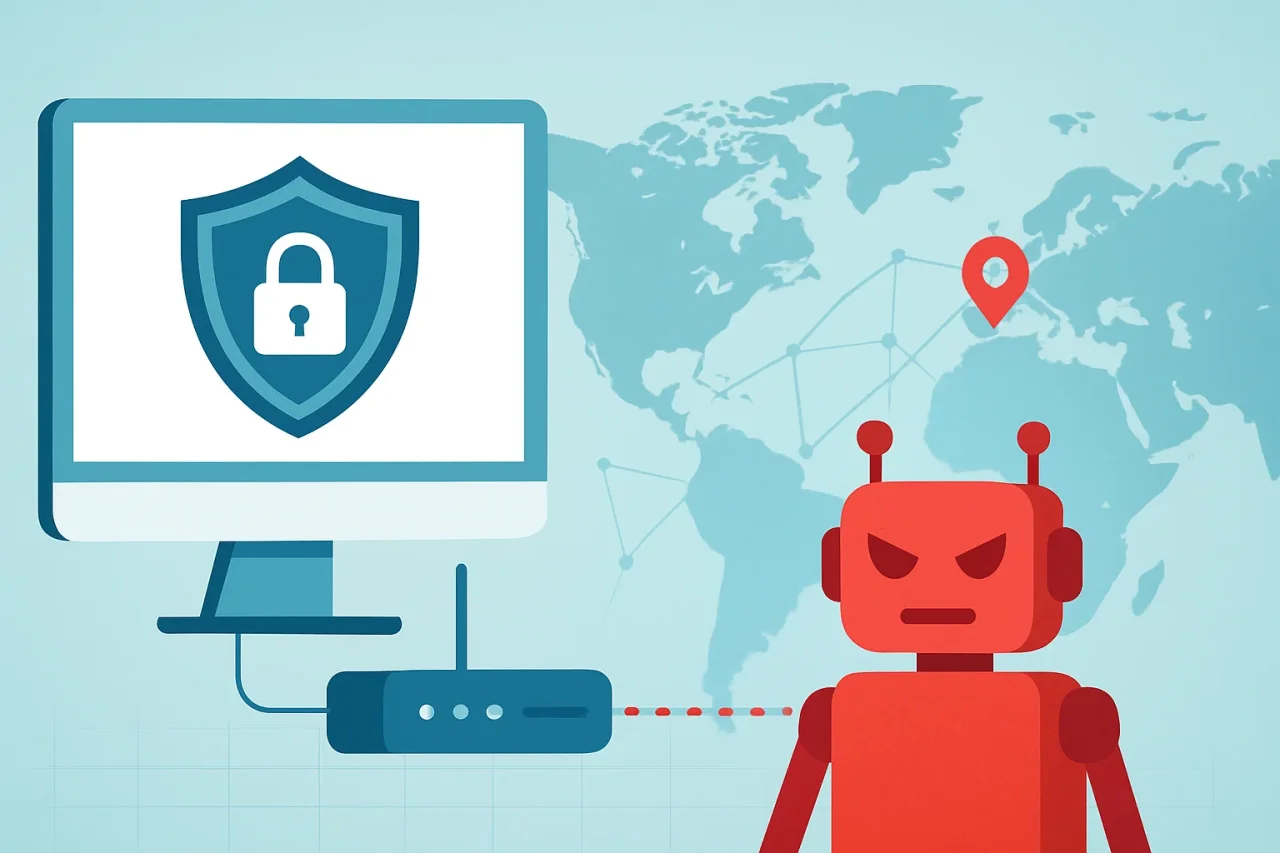
Understanding the Threat of Malicious Bot Traffic
In today’s digital landscape, malicious bot traffic represents a growing threat to businesses of all sizes, particularly those operating in the B2B sector. Bots are automated programs designed to mimic human activity online, but while some bots serve useful purposes, malicious bots cause significant harm. These harmful bots engage in activities such as data scraping, credential stuffing, distributed denial-of-service (DDoS) attacks, and more. Despite widespread implementation of basic cybersecurity measures, many organizations find that malicious bot traffic still manages to bypass their defenses.
The challenge lies in the sophistication of these bots and the limitations of traditional security tools. Basic defenses often detect clear-cut anomalies or known attack signatures, but today’s bots employ advanced evasion techniques that make them difficult to identify. To combat this rising threat effectively, businesses must understand how malicious bot traffic slips past basic defenses and explore more robust solutions.
Malicious bots are not just nuisances; they represent a severe risk that can undermine operations and erode customer trust. Over 40% of all internet traffic is generated by bots, with a substantial portion being malicious, causing billions of dollars in annual losses worldwide. This statistic underscores the urgency for organizations to adopt more sophisticated defenses.
Why Basic Defenses Often Fail
Most organizations rely on standard security tools such as firewalls, simple CAPTCHA systems, and IP blacklists to mitigate bot-related risks. While these tools provide some protection, they are often insufficient against modern malicious bots. These bots can mimic legitimate user behavior, rotate IP addresses, and even solve CAPTCHAs with the help of machine learning or human farms.
For instance, basic IP blocking is increasingly ineffective, as bots use proxy networks and botnets to constantly change their source IPs. This constant IP rotation renders traditional IP blacklists obsolete, as blocking one IP only results in the bot switching to another. Additionally, bots bypass simple CAPTCHAs by leveraging advanced machine learning algorithms or outsourcing the task to human solvers on click farms.
Many bots also exploit vulnerabilities in web applications that basic defenses do not monitor. These include session hijacking, automated form submissions, and API abuse, which require deeper inspection and behavioral analysis to detect. Simple rule-based systems often fail to catch these subtle but damaging activities.
The complexity of bot behavior means that relying solely on signature-based detection or static rules leaves organizations vulnerable. Over 20% of online fraud attempts involve bots that successfully evade basic security controls. This highlights the need for dynamic and adaptive security measures.
The Role of Advanced Technology in Bot Mitigation
To tackle these advanced threats, businesses increasingly turn to comprehensive cybersecurity solutions. One effective approach is leveraging technology services such as Awecomm, which can provide managed IT services designed to monitor, detect, and respond to bot traffic in real-time. These services often incorporate artificial intelligence and machine learning algorithms to distinguish between legitimate users and bots based on behavior patterns, device fingerprints, and traffic anomalies.
Advanced technologies analyze vast data points, including mouse movements, typing speed, and navigation paths, to identify suspicious activity that basic defenses miss. They also enable dynamic threat intelligence sharing, allowing organizations to stay ahead of emerging bot tactics.
AI-driven platforms detect subtle inconsistencies in user behavior that humans or simple algorithms might overlook. These platforms continuously learn and adapt, improving detection accuracy and reducing false positives that disrupt genuine user experiences.
Furthermore, managed IT services specializing in bot mitigation offer 24/7 monitoring and incident response capabilities, helping organizations react swiftly to bot-related threats before they escalate. This proactive stance is crucial as both developers continuously refine evasion techniques.
Insights from Industry Experts
Understanding the evolving tactics of malicious bots requires insights from cybersecurity specialists. According to Proactive Network Technologies, bots have become adept at bypassing static defenses by mimicking genuine human interactions and leveraging distributed networks to launch coordinated attacks. They emphasize layered security strategies combining behavioral analytics, rate limiting, and continuous monitoring.
Experts note that bots are no longer just automated scripts but complex systems employing machine learning to adapt to defenses in real-time. This evolution necessitates equally sophisticated countermeasures capable of learning and adapting alongside threats.
The cost implications of ineffective bot defense are substantial. Businesses lose approximately $6 billion annually due to bot-related fraud and abuse. This includes losses from account takeover, skewed analytics, and degraded user experience, underscoring the need for more sophisticated protective measures.
These insights reinforce that relying on basic defenses is no longer viable. Instead, businesses must adopt an integrated approach combining technology, expertise, and ongoing threat intelligence.
Key Techniques Used by Malicious Bots to Evade Detection
- IP Rotation and Proxy Usage: Bots frequently change IP addresses using proxy networks and botnets to evade IP blacklists, cycling through thousands of IPs and making blocking ineffective.
- Human-Like Interaction Simulation: Bots simulate mouse movements, clicks, and typing patterns to evade behavior-based detection. They mimic randomness in human behavior, such as variable typing speeds and erratic cursor movements.
- CAPTCHA Solving: Bots bypass challenge-response tests using machine learning or real-time CAPTCHA-solving services.
- Device Fingerprint Spoofing: Bots manipulate browser and device attributes to appear legitimate, faking user-agent strings, screen resolutions, and browser plugins.
- Session Persistence: Bots maintain sessions like normal users by managing cookies and tokens to avoid detection based on unusual session behavior.
- Distributed Attack Vectors: Bots coordinate attacks from multiple sources simultaneously, complicating detection based on volume or origin.
Understanding these tactics helps businesses evaluate their security posture and identify gaps that allow bots to infiltrate.
Moving Beyond Basic Defense: What Businesses Should Do
- Deploy Behavioral Analytics: Monitor user behavior in real time to detect anomalies indicative of bots, including navigation patterns, interaction timing, and engagement metrics.
- Implement Rate Limiting and Throttling: Restrict request volumes from individual IPs and accounts to prevent abuse, mitigating brute force attacks and scraping.
- Use Device Fingerprinting: Identify unique device characteristics to detect spoofing attempts; combining this with behavioral analysis increases accuracy.
- Integrate Threat Intelligence: Continuously update defenses based on known bot signatures and attack patterns. Sharing intelligence across industries helps preempt emerging threats.
- Leverage Managed Security Services: Partner with providers specializing in bot mitigation to access the latest technologies and expertise. Managed services offer scalability and continuous updates that in-house teams may struggle to maintain.
- Regularly Test and Update Defenses: Conduct penetration testing and bot simulation exercises to evaluate security effectiveness and identify vulnerabilities.
- Educate Teams and Stakeholders: Provide awareness training for IT staff and decision-makers to ensure both threats are recognized and prioritized.
The Growing Impact of Malicious Bots on Businesses
Malicious bot traffic continues to escalate, impacting various sectors by disrupting operations and undermining customer trust. Over 25% of all e-commerce traffic is attributed to malicious bots, leading to significant revenue losses and compromised user experiences. Bots distort website analytics, making it difficult for companies to make informed strategic decisions based on real user behavior.
For example, bots inflate page views and bounce rates, skewing conversion metrics and leading to misguided marketing investments. They also scrape pricing data and intellectual property, giving competitors unfair advantages or enabling fraudulent activity.
Account takeover attacks facilitated by bots have surged, with a reported 280% increase in credential stuffing attacks in recent years. These attacks result in financial losses, damage brand reputation, and erode customer loyalty. Victims may face costly remediation and regulatory scrutiny related to data breaches.
The increasing sophistication of bots means organizations must prioritize bot mitigation as a core component of their cybersecurity framework. Failure to do so can lead to lost revenue, damaged customer relationships, and long-term operational challenges.
Future Trends in Bot Detection and Prevention
Emerging technologies promise to enhance bot detection and prevention. Behavioral biometrics, analyzing unique user patterns such as keystroke dynamics and device orientation, are gaining traction. These methods improve differentiation between humans and bots.
Cloud-based AI-driven platforms enable real-time threat analysis and automated response, reducing the window for bots to cause damage. These platforms dynamically adjust defenses based on live data, adapting to new attack methods.
Collaborative threat intelligence ecosystems allow organizations to share information about evolving bot tactics and defenses quickly, enhancing mitigation speed and effectiveness industry-wide.
However, the arms race between both developers and security professionals continues. As detection methods improve, bot creators develop more sophisticated evasion techniques, such as deepfake interactions mimicking human voices and faces, and distributed attacks using IoT devices for unprecedented scale.
Businesses must remain vigilant and continuously update defenses. Investment in research, development, and cybersecurity partnerships will be critical to maintaining robust protection.
Conclusion
Malicious bot traffic is a serious and evolving threat that basic defenses alone cannot address. As bots grow more sophisticated in mimicking human behavior and exploiting vulnerabilities, businesses must upgrade their security strategies. Utilizing advanced technology services and learning from industry experts are crucial steps.
By investing in comprehensive bot management solutions and staying informed about bot tactics, organizations can safeguard digital assets, protect customer data, and maintain the integrity of online operations in an increasingly hostile environment. The stakes are high, but with the right approach, businesses can effectively mitigate risks posed by malicious bots and ensure a safer digital future.
Comments
Comments are available to signed-in users and are moderated to keep the discussion useful and respectful. Spam, automated submissions, and low-value promotional comments are removed. Outbound links may be approved when they are relevant and genuinely helpful to readers, but they are displayed as plain text rather than clickable hyperlinks.
No comments have been published yet.
Please sign in to submit a comment.