

Geolocation, Artificial Intelligence, Automotive
How Geolocation and AI Are Changing Rental Car Travel
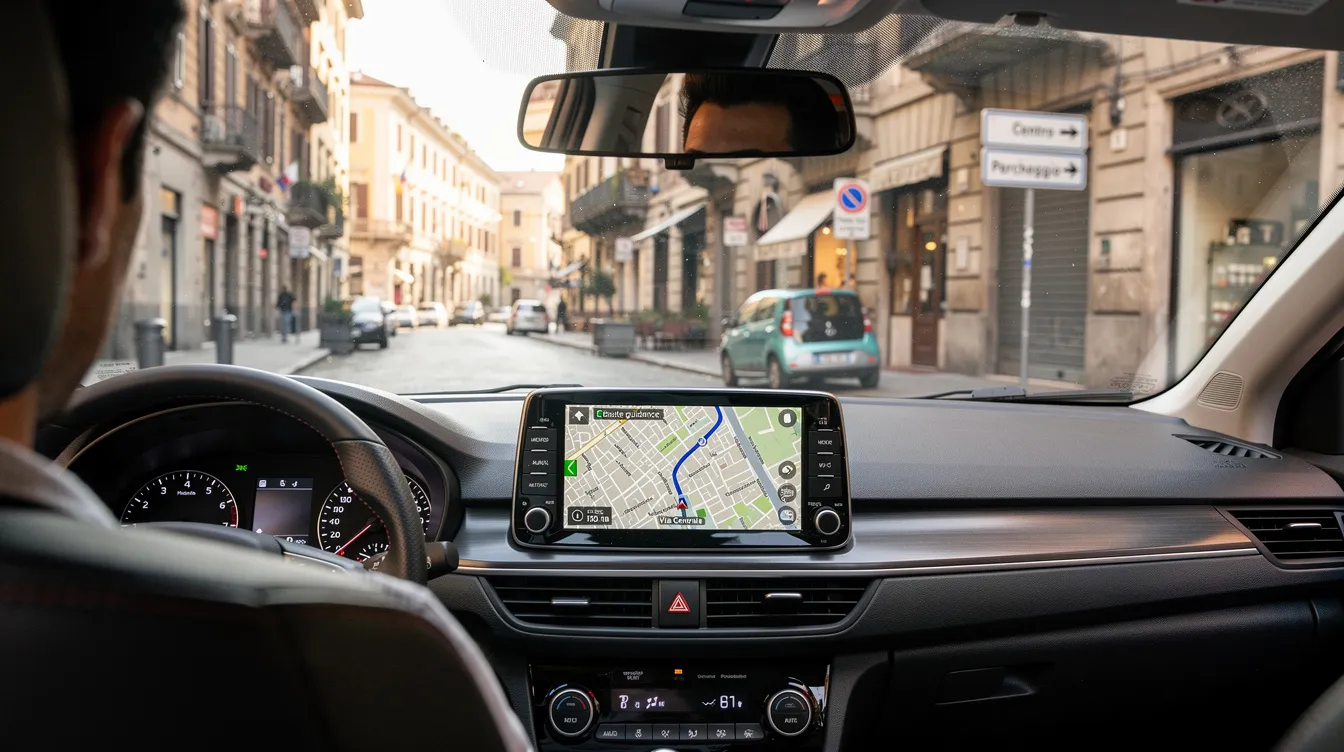
In 2010, renting a car meant queuing at a counter, signing multi-page paper contracts, and navigating collision damage waivers with little clarity on what was actually covered. The rental company had no real-time idea where its vehicles were, and neither did you. By 2026, that experience has been replaced by mobile apps, in-vehicle GPS technology, AI-powered fleet management, and digital insurance platforms like CarInsuRent that let travelers buy excess protection before they ever reach the airport.
The integration of geolocation technology and artificial intelligence is reshaping car rental experiences from the ground up, highlighting how AI is revolutionizing IP intelligence across modern logistics and mobility networks. The global GPS market is projected to reach USD 440.91 billion by 2033, signaling how central location data has become across transportation, logistics, and personal mobility. Even before a driver picks up the keys, IP-based geolocation tools like Where Am I connect online location awareness with physical, GPS-based travel planning.
This article examines exactly how these technologies work together. Here is what we will cover:
- How vehicle tracking and telematics systems power modern fleet operations
- The role of AI in routing, dispatch, predictive maintenance, and reducing downtime
- How driver behavior monitoring and AI damage detection are transforming safety and insurance
- The rise of digital rental insurance models and what they mean for travelers
- Privacy, regulation, and practical tips for renters navigating this data-rich world
The Building Blocks: GPS Technology, Telematics, and IP Geolocation
The Global Positioning System and its counterparts - Galileo (EU), GLONASS (Russia), BeiDou (China) - form the satellite backbone of modern vehicle tracking. Rental fleets rely on receivers that communicate with these satellites to determine a car's exact location, speed, and heading in real time. According to a study by Coherent Market Insights, the GPS fleet tracking market alone is estimated at USD 4.6 billion in 2026, growing to USD 9.3 billion by 2033 at roughly 10.6% CAGR.
Here are the key technical building blocks:
- Telematics units connect to a rental vehicle's OBD-II port or CAN bus, capturing location, speed, engine fault codes, fuel usage, temperature, and trip history. This telematics data streams to fleet dashboards or uploads in batches.
- GPS tracking devices provide accurate positioning at meter-level precision - essential for real-time GPS tracking of high-value fleet assets across urban areas, highways, and rural roads.
- IP geolocation works differently. Services like IP Lookup estimate a person's approximate location from their network address. This coarse dataset is frequently utilized in geo-targeted marketing for digital tools, booking sites, and initial fraud screening. Country-level accuracy sits at 95–99%, while city-level drops to roughly 50–75%, depending on network type and geography.
The distinction matters: GPS data from devices inside a rental car gives fleet operators a continuous, high-precision trace. IP geolocation gives booking platforms a coarse but useful signal about where a customer is before they even start their trip.
Real-Time Vehicle Tracking and the New Rental Operations Playbook
Car rental companies now operate real-time vehicle monitoring dashboards that display every car in the fleet on a live map - whether it is on-road, parked in a depot, due for return, or overdue. Geofencing establishes digital boundaries - virtual boundaries drawn around airports, city zones, or national borders - that trigger automated alerts when a vehicle crosses them.
Concrete use cases include:
- Airport geofences around locations like Schiphol or Heathrow, alerting staff the moment a rental car enters the return zone so the next booking can be prepared
- Cross-border alerts when a vehicle exits a permitted region, flagging potential unauthorized trips for review
- Theft recovery: in 2023, over one million vehicles were reported stolen in the U.S. alone. GPS tracking dramatically accelerates recovery, with telematics providing real-time tracking of stolen assets to authorities
Real-time location data enhances the customer experience and reduces wait times. When a rental company knows precisely when a car is returning, it can prepare paperwork, schedule cleaning, and assign the next renter - all without a single phone call. Telematics can enhance vehicle tracking and security in rentals, cutting the kind of manual coordination that defined operations a decade ago.
The result is measurable operational efficiency: fewer stranded cars, faster turnarounds, and better utilization of each asset per rental day. Geolocation allows rental apps to track renter arrivals at designated locations, triggering automated check-in processes before the traveler reaches the counter.
AI Routing, Dispatch, and Reducing Downtime in Rental Fleets
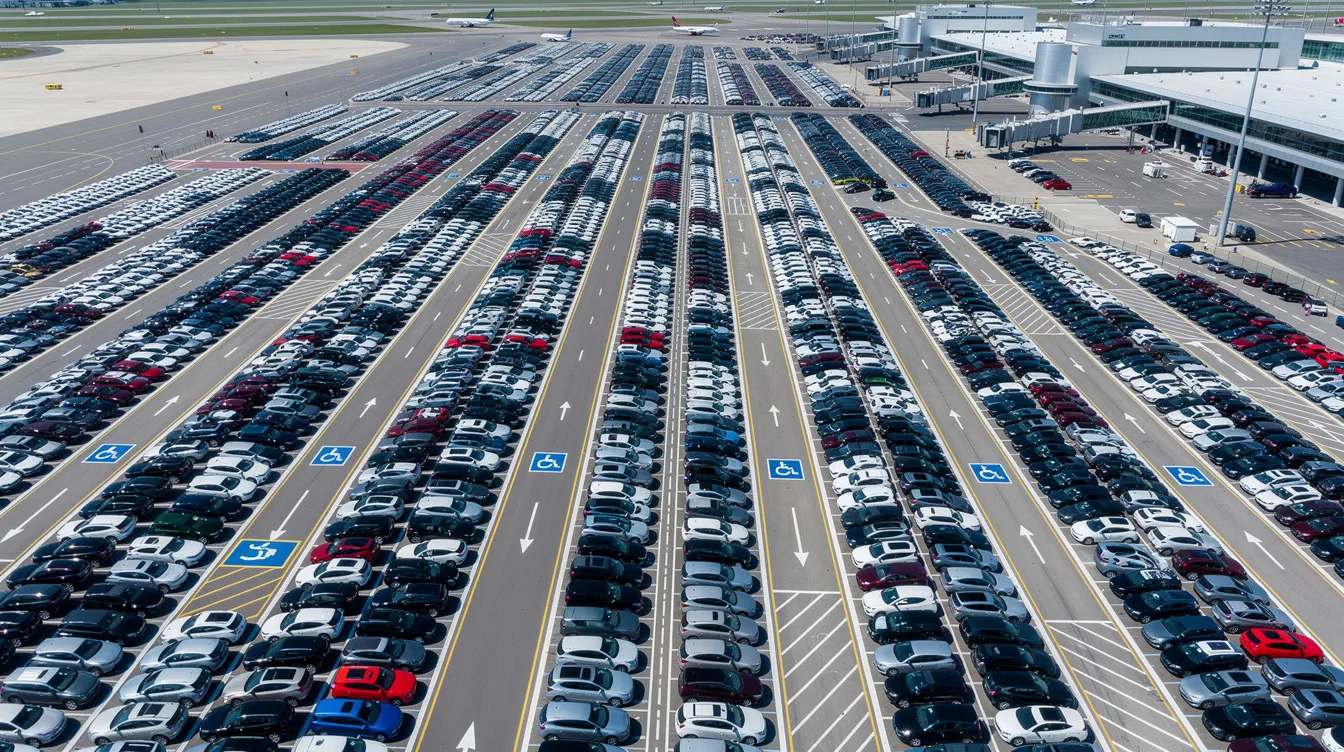
AI optimizes fleet distribution by analyzing demand and usage patterns - historical booking volumes, day-of-week trends, seasonal peaks, and geographic heatmaps. These models tell operators where to move cars before shortages develop.
Repositioning: algorithms predict that a coastal branch will need more convertibles on Friday afternoons and fewer sedans midweek, then schedule transfers accordingly. This reduces idle time and prevents lost revenue from empty branches.
Delivery and collection: many operators now offer door-to-hotel or door-to-home rentals. AI-driven route planning minimizes empty miles and fuel costs on these runs, directly reducing downtime for last-mile fleets.
Quantified impact: one large U.S. rental company with approximately 500,000 vehicles overhauled its planning system using AI, generating over USD 120 million in annual EBITDA improvement. Planning cycles dropped from 14 days to one day, directly translating into fewer parked, non-revenue vehicles.
Mobile apps use geolocation data to facilitate quick car bookings and check-ins, enabling real-time communication between fleet dispatch systems and customers arriving at branches. The cause-effect chain is direct: better AI decisions mean fewer unnecessary detours, reduced fuel usage, and more cars earning revenue instead of sitting in depots.
Predictive Maintenance: Lower Maintenance Costs, Higher Uptime
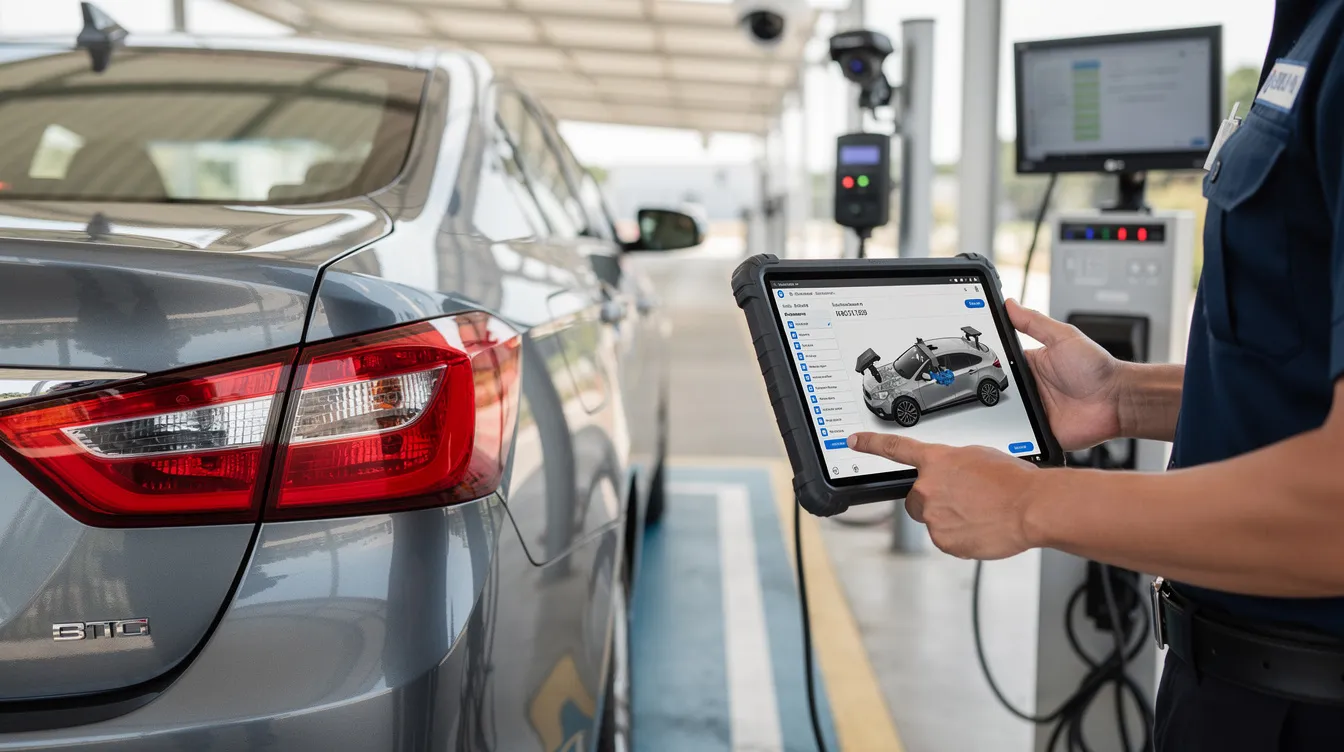
Connected vehicles generate continuous diagnostics and location data for predictive maintenance. Every engine fault code, temperature spike, mileage milestone, and unusual vibration pattern is logged by the telematics system and fed into AI models that anticipate failures before they strand a renter on a motorway.
Before telematics: maintenance was calendar-based or reactive - fix it when it breaks. This led to costly breakdowns, emergency towing, unhappy customers, and high turnover of vehicles retired early.
After telematics: AI models flag components approaching failure thresholds. The benefits include:
- Prevent costly breakdowns: a rental car in Spain showing abnormal vibration patterns gets pulled into the workshop before a suspension failure on a busy holiday route
- Lower maintenance costs: telematics can reduce repair costs by 30%, according to industry data, by catching issues early and enabling bulk parts ordering
- Extended vehicle lifespan: predictable servicing schedules reduce excessive wear on engines, brakes, and transmissions
- Reducing downtime: batch maintenance planning means cars spend fewer days in workshops and more days generating revenue
Telematics and AI monitor vehicle health in real time to predict maintenance needs - transforming maintenance from a cost center into a strategic operations advantage. Data on road conditions, speed profiles, and engine performance give fleet managers the signals they need to act proactively.
AI, Driver Behavior, and Safer Rental Journeys
Telematics-driven AI assesses driver behavior by analyzing harsh braking, speeding events, sharp cornering, rapid acceleration, and night-time driving patterns. Some systems incorporate video or connected-device data to detect phone distraction.
Rental companies use this data to:
- Send in-app warnings when a renter consistently exceeds speed limits
- Flag high-risk drivers for review, potentially restricting future bookings or assigning different vehicles
- Support driver training programs with objective performance reports
A 2026 trial at Penn Medicine found that drivers in usage-based insurance programs reduced speeding by up to 13% and harsh braking or rapid acceleration by up to 25% compared to control groups. These effects persisted even after incentive periods ended.
Fleets report reduced repair costs due to careful driving awareness - when drivers know their behavior is monitored, they brake less aggressively and take corners more cautiously. AI analyzes historical preferences and driving habits for personalized vehicle settings, matching car types to driver profiles. AI-driven support tools enhance rental customer experience significantly by combining safety data with convenience features, striking a balance between oversight and service.
The connection to insurers is straightforward: lower accident rates from monitored fleets translate into reduced insurance premiums over time, creating a feedback loop where safety and cost savings reinforce each other.
AI Vehicle Damage Detection: From Disputes to Data
Next generation AI damage detection represents one of the most tangible shifts in the rental handover process. Systems using accelerometer and motion data from GPS trackers detect impacts, sideswipes, and parking-lot knocks while the car is in motion.
AI damage detection uses over 1 billion kilometers of driving data to train its models. The system learns to differentiate between normal road jolts - potholes, speed bumps, cobblestones - and actual structural damage. When a genuine impact is detected, automatic damage reports are generated immediately after an incident, logging the time, GPS coordinates, and estimated severity.
Key implications for the rental world:
- Fewer disputes: automated damage detection reduces disputes during vehicle handover. Instead of relying on memory or subjective walk-around inspections after a long flight, both parties have timestamped, objective evidence.
- GPS data provides clear evidence of vehicle condition at handover, creating a digital chain of custody for every rental.
- Faster claims: faster claims settlement is achieved through automatic damage reports, accelerating the process for rental car damage claims from days to hours.
- Lower fraud risk: fabricated or exaggerated claims become harder to sustain when sensor data tells a clear story.
Geolocation, Risk Scoring, and the Rise of Digital Rental Insurance
Every rental trip generates a stream of geospatial data: roads driven, trip duration, average speed, time of day, elevation changes, border crossings. AI transforms this raw location data into nuanced risk scores that insurers and fleet operators use to understand collision probability at a granular level.
Road-type analysis: mountain passes, narrow city-center streets, and unlit rural routes carry different risk profiles. Aggregated telematics data quantifies these differences.
Temporal patterns: night driving and rush-hour trips correlate with higher incident rates. A South Korean study of 3,854 corporate rental drivers found that trip frequency, running time, and rapid speed changes were strong predictors of collision involvement.
InsurTech calibration: global InsurTech providers use these signals at the portfolio level to refine collision damage waiver alternatives, pricing bands, and exclusion terms.
Personalized travel recommendations are generated using location data and customer preferences, but the insurance side primarily relies on aggregated, anonymized data rather than individual surveillance. This keeps pricing fair while still benefiting from the world of telematics intelligence flowing from connected fleets.
Standalone Excess Insurance: How It Fits into the New Rental Ecosystem
The traditional rental desk insurance model is well known for its friction: last-minute upsells, expensive collision damage waivers, and confusing exclusions. Research shows that 37.8% of users find rental terms unclear, which leads to disputes, and only 53% of customers find vehicle features easy to operate, let alone their insurance options.
Standalone car hire excess insurance offers a different approach:
- Bought before travel. Customers purchase cover online from an independent insurer before they travel, typically choosing a single-trip or annual policy.
- Wider coverage. Many policies include items often excluded from rental desk waivers, such as windscreens, tyres, the undercarriage and bumpers. Coverage varies by provider and policy, so travelers should check the terms.
- Reimbursement model. If damage occurs, the renter pays the rental company's excess first, then claims that amount back from their excess insurer.
Telematics and digital inspection tools are also making rentals more transparent by producing objective vehicle condition reports. For anyone making an excess claim, this can reduce disputes: when a fleet's scanning system has recorded and timestamped the damage, the supporting evidence is clearer, which can help claims move more quickly.
For frequent travelers who rent in several countries, standalone excess insurance can provide more consistent cover without renegotiating terms at every rental counter. That's a practical advantage at busy airport rental desks.
Location Intelligence, IP Data, and Frictionless Booking Experiences
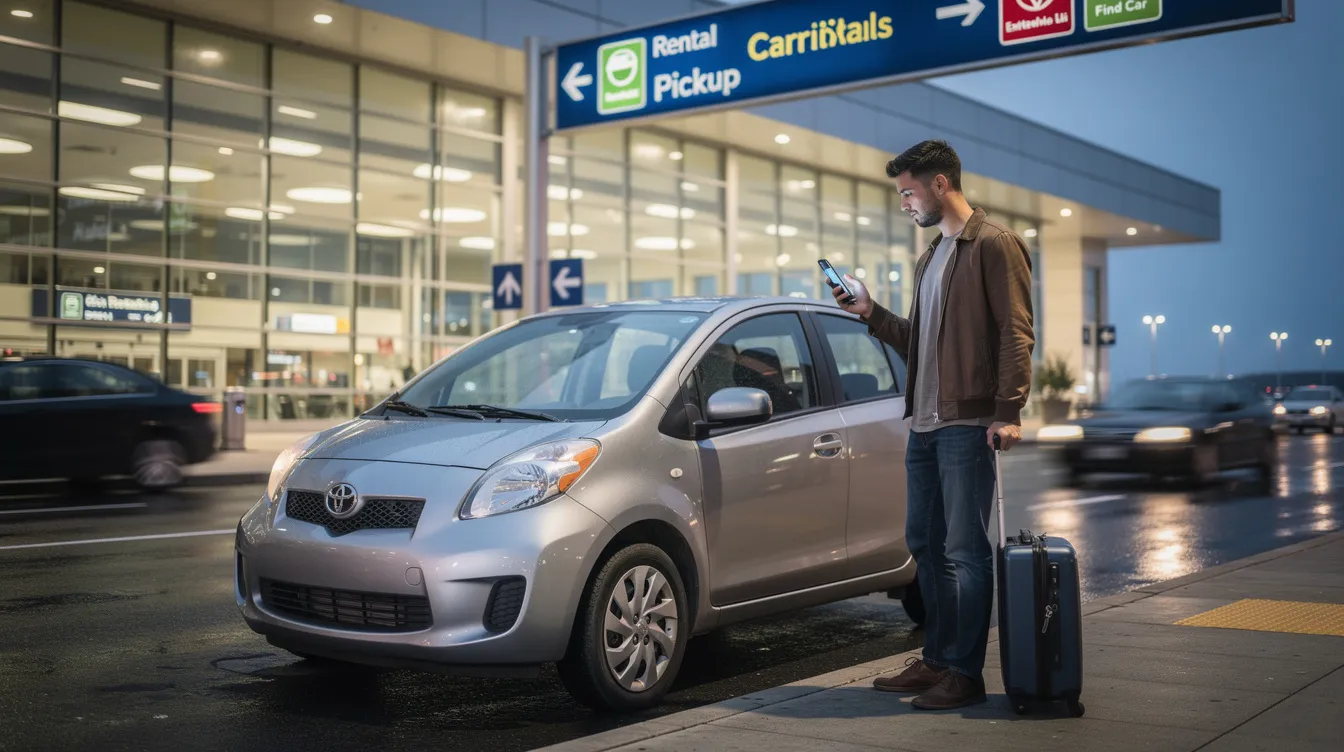
IP-based geolocation supports the rental journey before a driver gets the keys. When a user visits a booking site, platforms leverage backend systems to analyze what your IP address reveals, helping them automatically detect the visitor's approximate location and personalize the digital experience.
A practical example: a traveler browses from an IP detected in Amsterdam. The booking platform automatically offers Schiphol as the default pickup, displays CET time zone, shows prices in euros, and surfaces local insurance requirements. This convenience layer reduces booking friction and misconfiguration - wrong airport, wrong currency, wrong pickup time.
Behind the scenes, IP data also serves risk management:
- Fraud teams use the IP Address Guide and similar resources to evaluate connection signals, combining an IP address with other browser-level signals to distinguish genuine travelers from automated VPN or proxy traffic originating from high-risk networks
- Automated mileage tracking reduces billing errors significantly, while telematics improves billing accuracy, reducing revenue leakage across the fleet
- 45% of business leaders report revenue leakage due to billing errors. Inaccurate billing can lead to millions in lost revenue annually, making automated billing essential. Companies that automate billing save administrative hours and increase revenue while improving customer transparency and satisfaction
The through-line: from the moment an IP address populates a booking page to the second GPS logs a vehicle return, location intelligence creates one continuous, data-aware rental experience.
Privacy, Consent, and Regulatory Boundaries in Rental Telematics
Real time monitoring raises legitimate privacy questions. Renters may worry about continuous location logging, who accesses their data, and how long records are retained. These concerns are not hypothetical - they are regulated.
Key frameworks and best practices:
- GDPR (EU) requires explicit consent for location tracking, purpose limitation, data minimization, and the right to access or erase personal data. The UK's post-Brexit equivalent and California's CCPA/CPRA impose similar obligations.
- Anonymization and aggregation: rental companies and InsurTech providers must separate personally identifiable information from operational fleet data. Risk scoring should rely on anonymized, aggregated patterns - not individual surveillance.
- Clear disclosures: rental contracts should specify what telematics devices are installed, what data is collected, retention periods, and whether behavior data influences insurance or future eligibility.
- Network data scrutiny: IP-based signals also fall under privacy regulation. Best practices align with what privacy guides describe regarding transparent data use, explaining how travelers can actively verify their footprints and protect your privacy on public Wi-Fi networks while booking transit.
Trust is built through transparency - opt-in settings, secure API integrations, and communication that treats privacy as a feature rather than a compliance burden.
Next Generation Rental Travel: Autonomous Features, 5G, and Edge AI
The future of rental fleets sits at the intersection of 5G connectivity, edge AI, and advancing autonomy. 5G enables lower-latency communication for richer sensor suites - video, lidar, high-frequency telematics - while edge AI processes data on-board, allowing near-instant crash detection or theft alerts without cloud roundtrips.
ADAS integration: advanced driver assistance systems - lane departure warnings, collision avoidance, adaptive cruise control - already depend on precise geolocation and detailed mapping. These are standard in many rental vehicles today.
Robotaxi infrastructure: Hertz announced positioning itself as backend infrastructure for robotaxi depots in mid-2026, signaling that major rental players see autonomous vehicles as part of their long-term mobility strategy.
Dynamic insurance: as sensor density increases, excess insurance products from providers like CarInsuRent could integrate finer-grained risk maps - adjusting coverage terms based on aggregated road-segment data rather than broad country categories.
These next generation developments will deepen the integration between fleet tracking platforms, navigation services, and third-party InsurTech providers, while demanding stronger consumer protections around the data these systems generate.
Practical Tips for Travelers: Navigating Telematics, Insurance, and Data Rights
Whether you rent cars occasionally or several times a year, here is a concise checklist for navigating the new world of data-driven rentals:
- Check for tracking: ask whether the rental vehicle has GPS or telematics devices installed. Review what data is stored and for how long.
- Compare insurance carefully: evaluate rental desk excess waivers against standalone providers like CarInsuRent. Does coverage include windscreen, tyres, undercarriage, and bumper? What is the total trip cost?
- Document everything: photograph and video the car at pickup and return. This is especially important where AI damage scanners are in use - your own records serve as independent evidence.
- Verify booking defaults: if you are using a VPN or corporate network, your IP-based location may misconfigure the pickup branch or currency. Use Where Am I to confirm what your connection reveals.
- Read telematics clauses: understand whether driver behavior data - speed, braking, route - can influence your insurance, deposit, or future rental eligibility. Ask for clarification if terms are unclear.
- Invest in driver training awareness: knowing that your driving is monitored encourages safer habits, which benefits safety on the road and can lead to fewer claims over time.
Conclusion: Geolocation, AI, and the Quiet Reinvention of Rental Car Risk
GPS technology, AI analytics, and IP-based geolocation are collectively transforming rental car travel from a static, paper-heavy transaction into a dynamic, data-driven service. For operators, the benefits are concrete: improved operational efficiency, lower maintenance costs, reducing downtime, and more precise risk management across global fleets.
For travelers, the upside is equally tangible: safer journeys, clearer pricing, reduced disputes at the return counter, and the ability to decouple rental insurance from the rental desk through providers like CarInsuRent. The transparency that telematics and automated systems bring to damage detection, billing, and claims processing addresses friction points that have frustrated renters for decades.
Understanding how these technologies shape your rental experience is no longer optional knowledge for fleet managers and data scientists alone. Every person who books a rental car online, hands over a credit card at the counter, or drives an unfamiliar vehicle in an unfamiliar city is already participating in this system. The smartest move is to participate intentionally - informed about the data you share, the protections you choose, and the digital tools available to make both work in your favor.
Comments
Comments are available to signed-in users and are moderated to keep the discussion useful and respectful. Spam, automated submissions, and low-value promotional comments are removed. Outbound links may be approved when they are relevant and genuinely helpful to readers, but they are displayed as plain text rather than clickable hyperlinks.
No comments have been published yet.
Please sign in to submit a comment.