

How Connected Vehicles Are Transforming Modern Liability Investigations
A modern vehicle does far more than transport passengers. It continuously records operational behavior through sensors, software systems, telematics platforms, GPS modules, and driver-assistance technologies. After a collision, that information can become one of the most important sources of evidence in determining liability.
This is fundamentally changing how crash investigations are conducted. Investigators no longer rely only on witness statements, roadway debris, or physical damage patterns. Increasingly, they reconstruct incidents using machine-generated timelines that show how the vehicle behaved in the seconds before impact. As connected vehicles become standard across passenger and commercial transportation, liability investigations are evolving into highly data-driven processes that blend automotive engineering, digital forensics, software analysis, and legal strategy.
The Shift From Physical Evidence to Digital Evidence
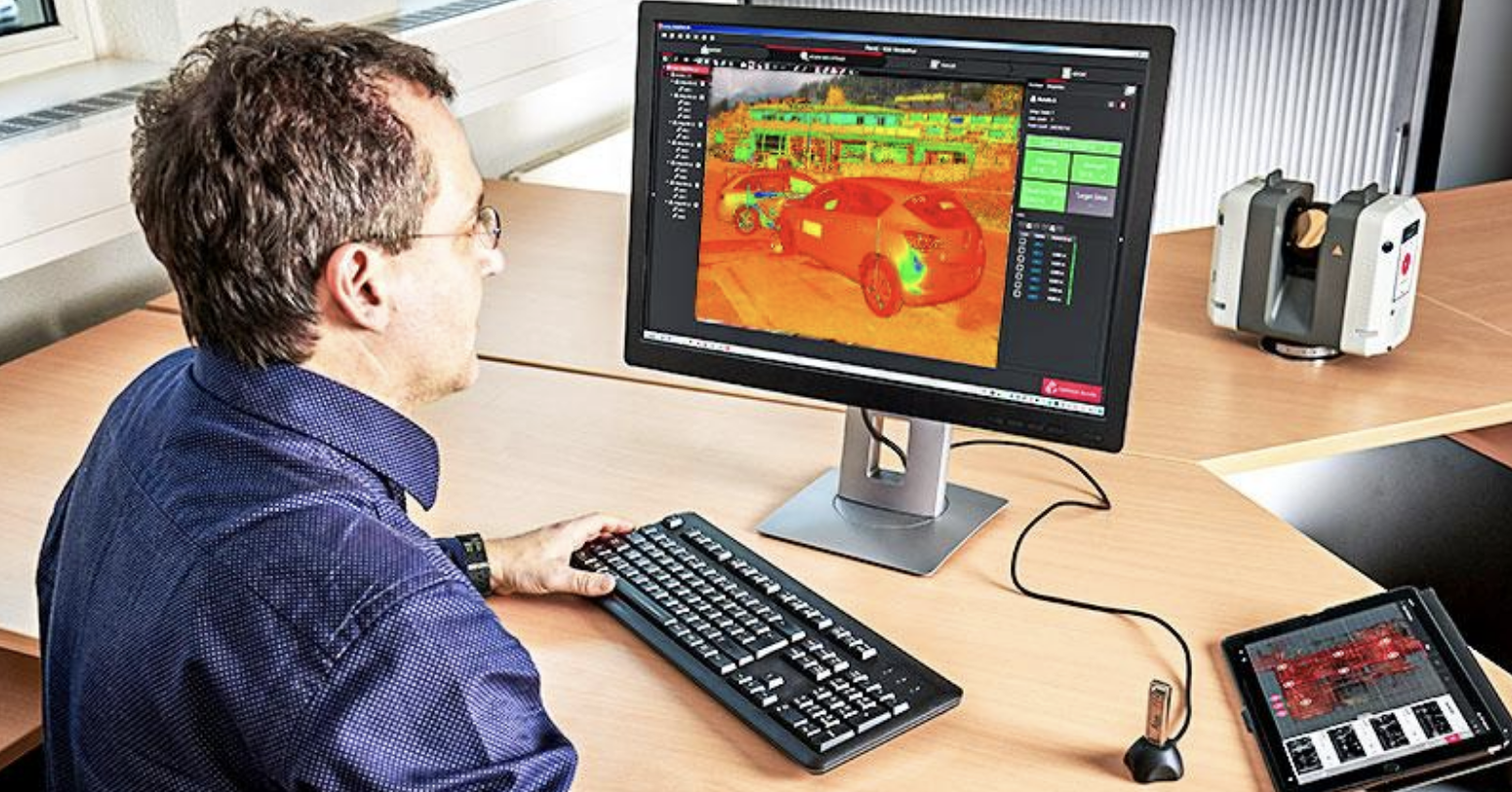
For decades, crash investigations depended heavily on human recollection and physical reconstruction. Investigators examined skid marks, impact points, weather conditions, and driver testimony to reconstruct what happened before the collision. While those methods still matter, connected vehicles now provide a much deeper operational record.
Modern systems can preserve changes in speed, steering movement, throttle input, braking force, lane-departure activity, airbag-deployment timing, and warning-system activation. Instead of estimating how a driver reacted, investigators can often analyze exact behavioral data from the moments leading up to the crash.
The most valuable records are usually the ones that clarify timing, movement, and driver response before impact.
- Speed and braking records: Can reveal whether the driver attempted evasive action early enough to avoid the collision or delayed reacting despite having sufficient stopping distance.
- GPS and telematics data: Can establish where the vehicle traveled before the crash, how quickly it approached the scene, and whether route behavior changed suddenly before impact.
- Driver-assistance system logs: May show whether automatic emergency braking, blind-spot monitoring, or lane-departure alerts were activated before the incident and whether the driver ignored those warnings.
Industry analysts estimate that connected-car sales reached roughly 56 million globally in 2023, with adoption expected to grow significantly over the next several years. That growth matters because every connected vehicle increases the amount of recoverable operational evidence available after a collision.
How Connected Vehicles Generate Investigative Evidence
Modern vehicles now operate more like rolling computer systems than traditional mechanical machines. A single vehicle may contain dozens of electronic control modules continuously exchanging information about speed, traction, steering, braking, visibility systems, navigation, and driver behavior.
One of the most important systems in crash analysis is the Event Data Recorder (EDR), often referred to as a vehicle’s black box. Depending on the manufacturer and model, the EDR may preserve critical pre-crash and crash-event information, including throttle position, braking activity, steering angle, seatbelt use, and airbag deployment timing.
Telematics systems expand the evidence pool even further. Commercial fleets, insurance telematics programs, rideshare platforms, and logistics operators often collect driving behavior continuously rather than only during crash events.
| Evidence Source | What It Reveals | Why It Matters |
|---|---|---|
| Event Data Recorder (EDR) | Speed, braking, steering, throttle activity | Helps reconstruct vehicle behavior before impact |
| GPS and telematics systems | Route history, trip timing, hard-braking events | Establishes movement patterns and operational timelines |
| ADAS system logs | Automatic braking, lane warnings, safety alerts | Clarifies whether safety systems were activated properly |
| Dashcam footage | Visibility, traffic flow, roadway conditions | Supports or disputes witness testimony |
| Fleet-management systems | Driver logs, dispatch records, maintenance history | Critical in commercial transportation investigations |
| Vehicle diagnostics | Mechanical alerts, brake warnings, sensor issues | Helps identify pre-existing vehicle problems |
The strongest liability investigations rarely depend on one isolated source of evidence. Investigators compare multiple datasets, including roadway conditions, engineering analyses, surveillance footage, and physical damage patterns, to build a consistent reconstruction.
Why Speed and Braking Data Have Become So Important
Speed has always been one of the most disputed elements in crash litigation, but connected vehicles have changed how speed-related evidence is analyzed. Traditional reconstruction methods relied on skid marks, roadway measurements, crush damage, and mathematical modeling. Connected systems now provide direct operational insight into how the vehicle behaved before impact.
That precision matters because many liability disputes revolve around reaction time. Investigators increasingly focus on whether the driver had enough time to recognize danger and whether the response matched what a reasonable driver would have done under similar conditions.
In practice, investigators focus less on raw numbers and more on what those numbers reveal about driver decision-making.
- Braking records: Can show whether the driver reacted immediately after identifying a hazard or waited too long despite clear roadway visibility and available stopping distance.
- Acceleration data: May reveal whether the vehicle continued under throttle control moments before impact, contradicting claims that the driver attempted to slow down.
- Steering-input records: Can help determine whether the driver attempted evasive maneuvering before the collision or failed to respond entirely.
This evidence is especially influential in rear-end collisions, highway chain-reaction crashes, intersection disputes, and pedestrian-impact cases. In many modern investigations, operational data now carries greater evidentiary value than conflicting verbal testimony because it documents actual vehicle behavior in real time.
Driver-Assistance Systems Are Creating a New Layer of Liability
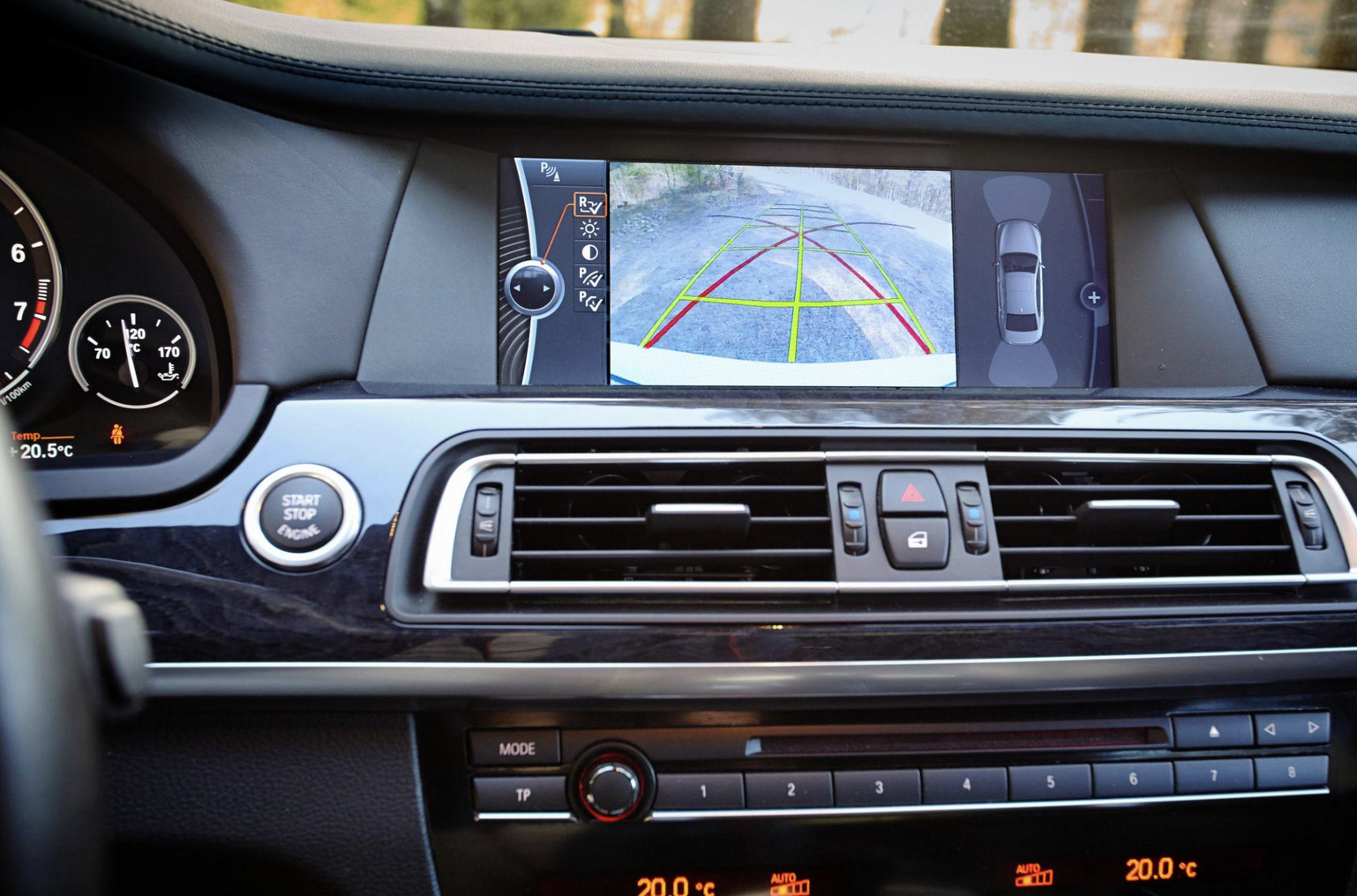
Advanced Driver Assistance Systems (ADAS) have introduced a completely new category of investigative complexity. Features such as adaptive cruise control, automatic emergency braking, lane-keeping assistance, and blind-spot monitoring continuously monitor roadway conditions and generate their own operational logs.
As these technologies become more common, investigators increasingly need to analyze both driver behavior and software system performance before impact occurs.
| Investigation Question | Why It Matters |
|---|---|
| Was automatic emergency braking active before impact? | May show whether the system detected an imminent collision risk |
| Did the driver override system warnings? | Can affect negligence and distraction analysis |
| Were weather or visibility conditions affecting sensors? | Environmental limitations may explain system failure |
| Was the software updated properly? | Software defects may become relevant in product-liability claims |
| Did the driver rely too heavily on automation? | Misuse of semi-autonomous systems is becoming increasingly common. |
One of the largest concerns in modern investigations is driver overconfidence in automation. Many drivers incorrectly assume semi-autonomous systems can fully manage vehicle operation, even though most technologies still require continuous supervision and immediate human intervention when roadway hazards appear.
Commercial Fleet Investigations Have Become Much More Data-Intensive
Connected-vehicle systems have had an especially significant impact on trucking and commercial transportation litigation. Fleet operators typically collect much larger volumes of operational data than private vehicle owners because telematics systems are integrated into daily business operations.
Fleet-management platforms often monitor speed patterns, braking behavior, route schedules, dispatch activity, maintenance history, and hours-of-service compliance across extended periods rather than only during crash events.
This broader operational visibility changes how liability is evaluated. Investigators no longer focus solely on the collision itself. They also examine whether the company contributed to unsafe operating conditions by setting unrealistic delivery schedules, ignoring maintenance warnings, failing to supervise drivers adequately, or repeatedly violating safety regulations.
In major trucking litigation, telematics systems may reveal long-term patterns of aggressive driving behavior, fatigue-related violations, or unresolved mechanical issues that existed well before the crash occurred. Connected-vehicle technology is therefore expanding liability exposure beyond the driver alone to the business's operational practices.
Data Preservation Is Becoming One of the Most Important Legal Issues
Connected-vehicle evidence is extremely valuable but also highly vulnerable to deletion or loss. Some systems overwrite older data automatically after limited retention periods, while damaged vehicles may lose recoverable electronic records if forensic extraction is delayed.
Cloud-connected telematics systems create additional complications because data may be controlled by manufacturers, insurers, fleet vendors, or third-party software providers rather than the vehicle owner directly.
After a crash, the most valuable connected-vehicle records are often the easiest to lose. Investigators usually prioritize the data sources most vulnerable to overwriting, repair activity, or limited vendor retention policies.
- Event Data Recorder downloads: May become unavailable if the vehicle is repaired, dismantled, or electronically compromised before forensic extraction occurs.
- Dashcam systems: Frequently overwrite footage automatically within days unless recordings are preserved immediately after the incident.
- Fleet telematics records: May remain accessible only for limited periods, depending on vendor retention policies and contractual storage agreements.
For individuals involved in serious crashes, working with an experienced auto accident attorney may help ensure that critical connected-vehicle evidence is identified and preserved before it is deleted. In many modern liability cases, early preservation efforts significantly affect how effectively fault can be established later.
Connected Vehicles Are Reshaping Distracted-Driving Investigations
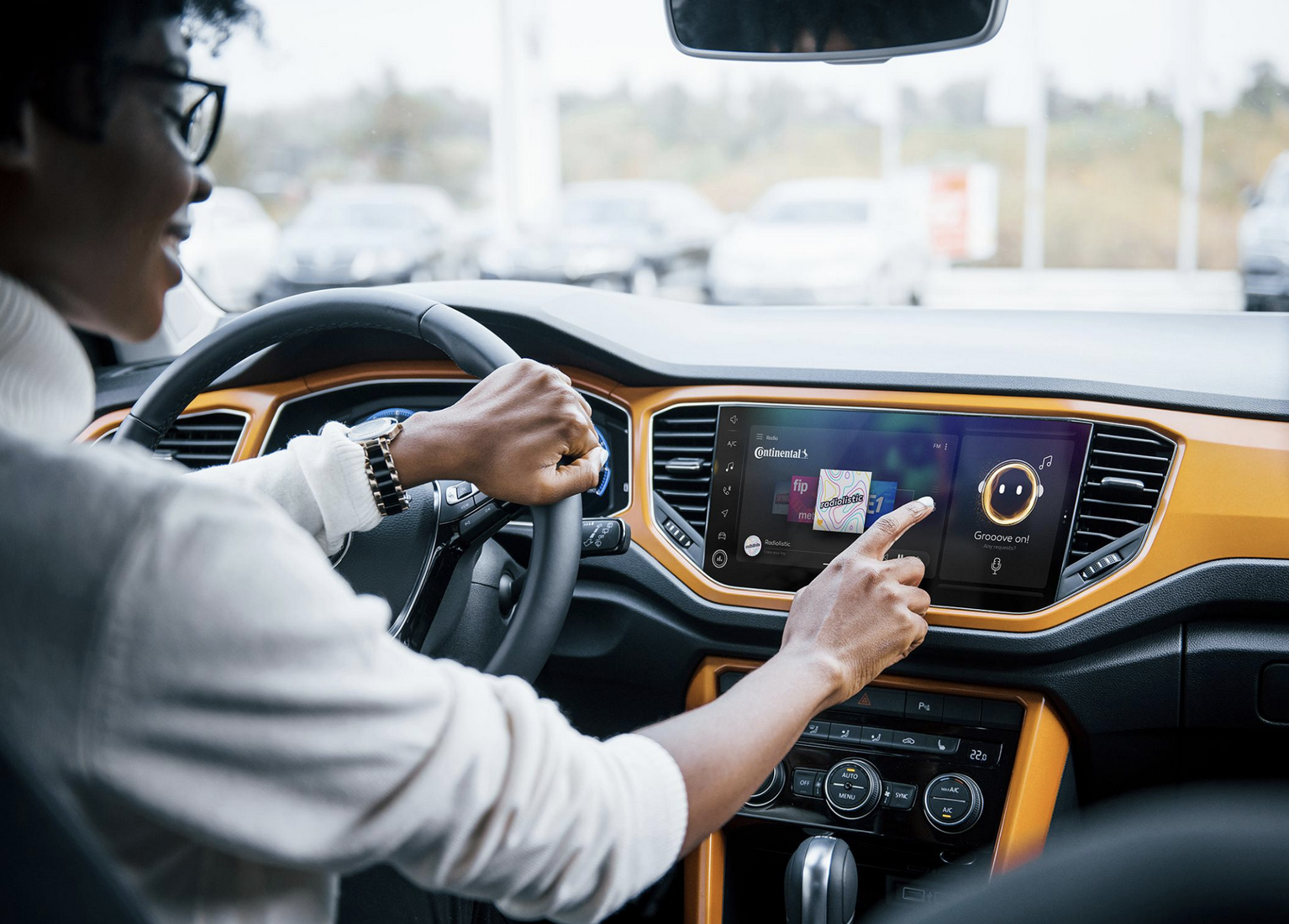
Distracted-driving cases are also becoming more sophisticated because connected vehicles preserve evidence of infotainment use and mobile-device interactions.
Modern infotainment systems may record touchscreen activity, navigation inputs, Bluetooth pairing history, and software interaction before impact. Some vehicles also include driver-monitoring systems capable of evaluating attention and eye movement.
This allows investigators to determine whether the driver remained focused on roadway conditions or engaged with in-car technology during critical moments before the collision.
Ironically, the increasing complexity of vehicle technology may itself become a liability in the future. Large, touchscreen-heavy dashboards can create cognitive distraction, especially when critical driving functions are embedded in software menus rather than accessible via physical controls.
Insurance Companies Are Expanding Telematics-Based Claims Analysis
Insurance carriers are among the largest adopters of connected-vehicle analytics. Usage-based insurance programs already monitor mileage, braking behavior, acceleration patterns, nighttime driving, and speeding activity.
This data is transforming how claims investigations are handled. Insurers increasingly rely on telematics records to validate crash timing, estimate impact severity, identify inconsistencies in driver statements, and detect potentially fraudulent claims.
| Insurance Use Case | Operational Benefit |
|---|---|
| Crash verification | Confirms timing and location of reported incidents |
| Driver-behavior analysis | Evaluates speeding, braking, and acceleration patterns |
| Fraud detection | Identifies inconsistencies between claims and digital records |
| Claims acceleration | Speeds up investigations using objective operational evidence |
| Risk modeling | Improves underwriting accuracy using real-world driving behavior |
As predictive analytics and AI-assisted claims systems continue improving, insurers are expected to rely even more heavily on connected-vehicle evidence throughout claims processing and litigation support.
Privacy and Data Ownership Are Becoming Major Legal Questions
The expansion of connected vehicles also raises serious privacy concerns. Modern vehicles may collect extensive information about where people travel, how aggressively they drive, how frequently they operate the vehicle, and how they use in-car systems.
This creates difficult legal questions surrounding data ownership, investigative access, and long-term retention practices. Courts increasingly face disputes regarding how much connected-vehicle data is relevant to a particular case and whether extensive telematics collection crosses into unnecessary surveillance.
Manufacturers, insurers, and fleet operators are also facing growing scrutiny regarding how driver data is stored, who can access it, and how long it remains available. As connected systems become more integrated with cloud platforms and AI-driven analytics, privacy regulation will likely play a much larger role in automotive litigation in the coming years.
The Future of Liability Investigations Will Be Built Around Vehicle Data
Connected vehicles are fundamentally changing how liability investigations are conducted by replacing assumptions with measurable operational evidence. The modern crash investigation is no longer built solely around physical debris, eyewitness recollection, and roadway measurements. It is increasingly built around digital timelines generated by the vehicle itself.
This transformation will accelerate as electric vehicles, AI-assisted driving systems, cloud-connected transportation networks, and smart road infrastructure continue to expand globally. Future investigations will likely involve real-time evidence uploads, AI-assisted reconstruction analysis, and deeper integration between vehicle systems and transportation infrastructure.
For insurers, attorneys, investigators, fleet operators, and businesses, the message is becoming increasingly clear: connected-vehicle evidence is no longer secondary evidence in modern liability analysis. It is rapidly becoming the foundation for determining fault, accountability, and legal responsibility after a collision.
Related Articles
September 9, 2025
Cloud-Based Diagnostics: Transforming Connected Cars with OBD-II
Modern vehicles are no longer just mechanical machines; they have evolved into complex, data-rich devices capable of communicating with cloud platforms, mobile applications, an...
Read More
July 5, 2025
The Future of Geo-Fencing in Autonomous Vehicles: Tech Innovations Driving Safer Roads
The evolution of autonomous vehicles (AVs) is transforming global transportation ecosystems. One of the most critical and enabling technologies behind this evolution is geo-fencing...
Read More
March 21, 2025
Repo Vehicles for Sale: Are They Worth the Hype?
When it comes to purchasing a used car, the appeal of repo vehicles for sale is undeniable. Often sold at auctions or through online platforms like SalvageBid, these vehicles can b...
Read More
Comments
Comments are available to signed-in users and are moderated to keep the discussion useful and respectful. Spam, automated submissions, and low-value promotional comments are removed. Outbound links may be approved when they are relevant and genuinely helpful to readers, but they are displayed as plain text rather than clickable hyperlinks.
No comments have been published yet.
Please sign in to submit a comment.