

Internet of Things, Safety, Technology
How Connected Home Devices Help Detect Water Leaks Early
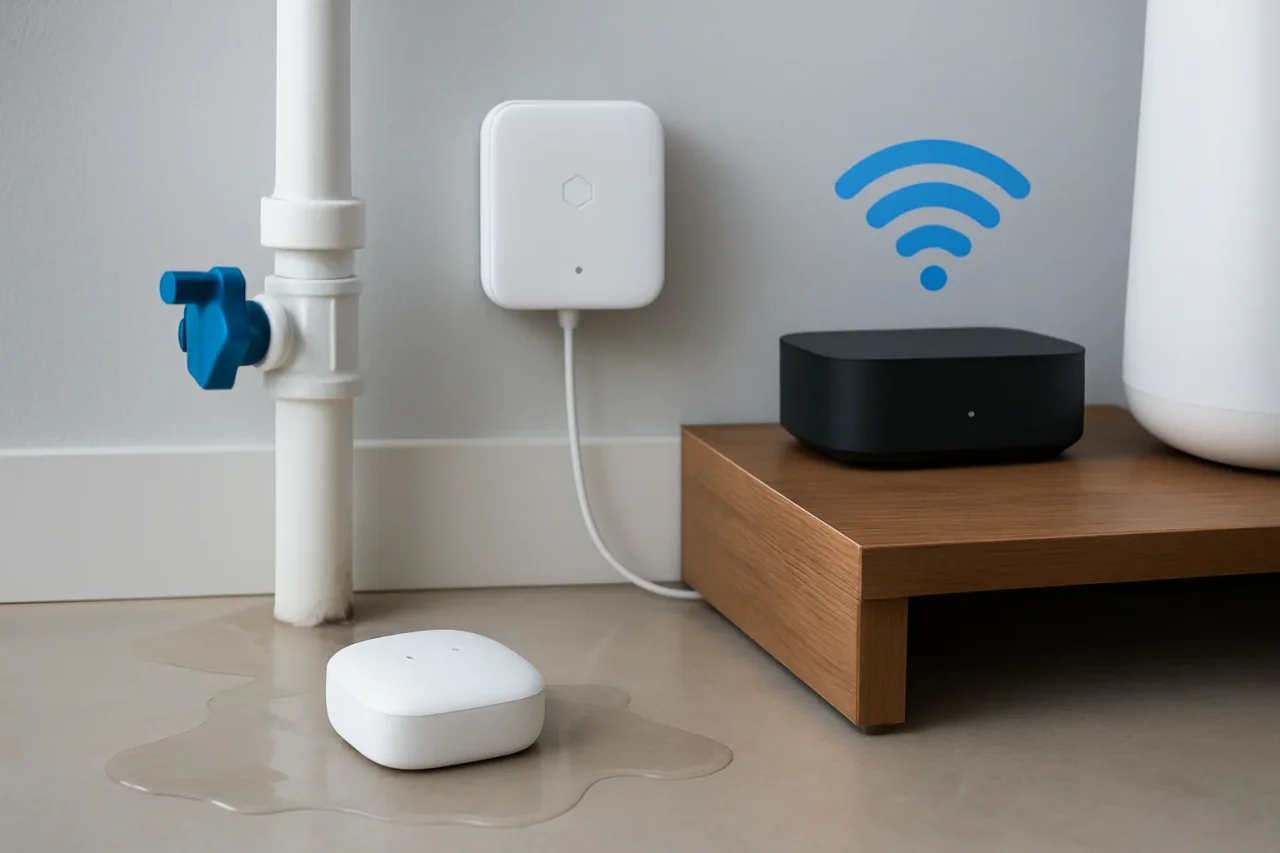
Water damage is one of the most financially devastating things that can happen to a homeowner — and one of the most preventable. The gap between a minor leak and a major flood is often nothing more than time and awareness. Connected home devices are closing that gap, giving homeowners real-time visibility into what's happening in the spaces they rarely think to check until something goes wrong. The basement, in particular, has become a primary use case for smart water detection technology, and the results are changing how homeowners approach leak prevention entirely.
What Connected Water Detection Actually Looks Like
The category of connected home devices for water detection has expanded significantly in recent years. What was once limited to a basic alarm that sounded when a sensor got wet has evolved into a layered ecosystem of intelligent tools that communicate with each other, with your smartphone, and in some cases, with your home's other systems.
At the entry level, smart water sensors sit on the floor near vulnerable areas — beside the sump pump, along basement walls, under utility sinks, or near the water heater. When they detect moisture, they send an immediate push notification to your phone. Simple, inexpensive, and genuinely effective at catching leaks in their early stages before they spread.
More sophisticated systems add flow monitoring devices that attach to the main water supply line and track consumption patterns in real time. These devices learn what normal usage looks like in your home and flag anomalies — a slow drip that runs continuously overnight, or a sudden spike that suggests a pipe has failed somewhere in the system. Some models pair with automatic shut-off valves that cut the water supply the moment an abnormal flow event is detected.
Smart sump pump controllers round out the toolkit for basement-specific protection. These devices monitor pump run cycles, water levels in the pit, and pump performance metrics, alerting homeowners when the pump is working harder than usual or when battery backup power is running low. For homeowners dealing with spring thaw conditions or heavy summer storms, knowing your sump pump is struggling before it fails entirely is the difference between a manageable situation and a flooded basement.
That early warning is exactly the kind of protection that complements the work of professional waterproofing companies. Direct Waterproofing addresses the structural and drainage issues that allow water to enter in the first place — and smart monitoring ensures that any changes to that baseline are caught immediately, before they escalate.
The Value of Early Detection in Real Numbers
The financial case for early water leak detection is straightforward. Insurance industry data consistently shows that water damage claims are among the most common and costly in residential insurance — and that the severity of damage scales sharply with how long the leak goes undetected.
A leak caught within the first hour might cause minimal damage to flooring or drywall in a contained area. The same leak running for 24 hours can saturate structural framing, compromise insulation throughout a wall cavity, and create conditions favorable for mold growth within 48 hours of the moisture event. Remediation costs follow the same curve — early intervention is exponentially cheaper than addressing damage that has had time to spread.
Connected devices compress detection time from days or weeks — the typical discovery window when homeowners only check the basement occasionally — to minutes. That compression is where the real financial value lives.
Integration With the Broader Smart Home
One of the more practical advantages of modern water detection devices is how well they integrate with existing smart home platforms. Most major sensors and flow monitors are compatible with Google Home, Amazon Alexa, and Apple HomeKit, meaning alerts can be routed through whatever notification system a homeowner already uses. Some integrations allow water detection events to trigger other devices — turning on lights, activating a camera, or sending alerts to a designated contact if the primary homeowner is unreachable.
For homeowners who travel frequently, own rental properties, or simply want peace of mind while away from home, this level of remote visibility is genuinely valuable. A basement flood discovered via smartphone notification while on vacation is a manageable problem. The same flood discovered a week later on return is a very different situation entirely.
Technology and Professional Waterproofing Work Together
It's worth being clear about what connected devices can and can't do. They detect and alert — they don't repair. A smart sensor that catches water coming through a foundation crack is doing exactly its job, but the crack still needs to be addressed by a professional. Technology and professional waterproofing aren't alternatives; they're complementary layers of a complete protection strategy.
The smartest approach combines a properly waterproofed foundation with continuous smart monitoring — professional work that addresses the root causes of water intrusion, backed by technology that ensures any future changes are caught immediately. For Hamilton homeowners navigating a climate that delivers significant seasonal moisture stress, that combination offers the most reliable defense available.
Comments
Comments are available to signed-in users and are moderated to keep the discussion useful and respectful. Spam, automated submissions, and low-value promotional comments are removed. Outbound links may be approved when they are relevant and genuinely helpful to readers, but they are displayed as plain text rather than clickable hyperlinks.
No comments have been published yet.
Please sign in to submit a comment.