

Safety, Information Technology, Real Estate
How a Warm, Buckling Floor Can Reveal Hidden Water Damage
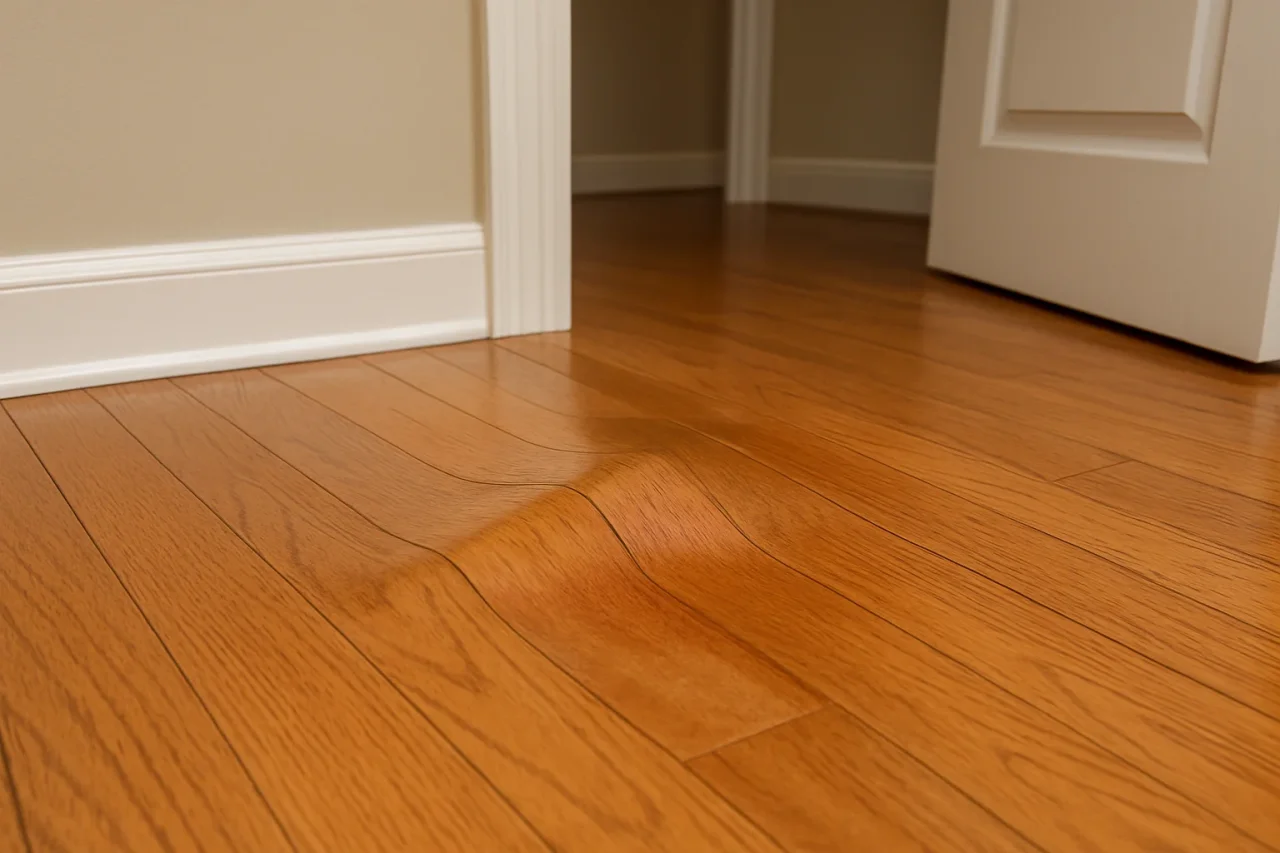
The floor near a dining-room closet was buckling and felt unusually warm. At first, that was the visible problem in a residential home. The subsequent inspection found a pipe leak behind a wall, saturated materials near the laundry area, and moisture extending into the crawlspace.
This type of water damage is a compelling example of why investigations must follow the damage beyond the first symptom. It also shows why repair planning sometimes has to wait until additional openings, measurements, and drying are complete.
What Did the Unusual Floor Reveal?
In a restoration project documented by Encore Construction, water was still leaking during the initial assessment. The supply was temporarily shut off while the homeowner awaited plumbing repairs.
The important development was the change in scale. What appeared to be a localized flooring problem affecting several rooms and the space beneath the house. Treating the floor alone would not have addressed that wider condition.
Measurements and explanations are important parts of the first inspection. A person who has noticed an unfamiliar symptom needs to know what it means for the home, rather than be expected to understand the restoration process already.
Establishing the affected areas is the necessary starting point for deciding what reconstruction will involve.
The Crawlspace May Require Substantial Removal Work
When water damage extends beneath a home, technicians may need to open damaged areas and adjust the work as more moisture becomes accessible. Crawlspaces can be a major part of the job, particularly when large amounts of insulation have become saturated.
Insulation installed in multiple layers can make the work more involved. Depending on the extent of the damage, removal may take several days and generate substantial amounts of debris.
Those conditions explain why a small visible symptom cannot define the entire repair scope. They do not establish a standard removal quantity or duration for other homes. Their significance is the amount of affected material that can be found beneath a property.
Simple average restoration prices may not accurately reflect the work required for the same reason. Floor coverings, assemblies, access, contents, and the extent of water penetration can substantially affect the work. A meaningful plan has to follow the property's conditions.
Drying Equipment Must Be Adjusted as Different Areas Dry
Drying often progresses unevenly. One bedroom may improve while other locations, including laundry-room base plates, continue to need attention. Crews may need to reposition equipment to address the remaining damp areas.
That follow-through is an important part of the restoration process. Installing equipment is the beginning of a process, and subsequent visits should respond to moisture readings rather than treating every room as a single uniform space.
Project documentation tracks initial conditions, removed materials, equipment, and drying progress. In a loss spread between occupied rooms and a crawlspace, that record helps keep the work connected.
Maintaining continuity between mitigation and reconstruction is also important as a property's needs change from emergency response to repairs.
What Can Homeowners Expect Before Reconstruction?
At the latest stage of a water damage restoration project, reconstruction may still be in the planning phase. The completion of initial mitigation work does not necessarily establish a finished interior or a completed move-back.
What changes during this process is the homeowner's understanding of the problem and the work addressing it. The hidden source can be identified, affected materials exposed and removed, and follow-up measurements used to guide drying across different parts of the home.
That represents progress with practical value. The original concern may have been an unexplained warm, buckling floor. The restoration process turns it into a mapped loss with specific work areas and a defined next stage.
Conclusion
Careful restoration is expressed through attention to what is still happening beneath the surfaces. Following moisture into the crawlspace, continuing to check slower-drying areas, and connecting that work to reconstruction planning can help address the full extent of the damage.
The final repairs may still lie ahead, but the homeowner no longer faces an unexplained flooring symptom alone.
Comments
Comments are available to signed-in users and are moderated to keep the discussion useful and respectful. Spam, automated submissions, and low-value promotional comments are removed. Outbound links may be approved when they are relevant and genuinely helpful to readers, but they are displayed as plain text rather than clickable hyperlinks.
No comments have been published yet.
Please sign in to submit a comment.