

Technology, Finance, Mobile App Development
From Banking Apps to Budgeting Tools: Finance Goes Digital
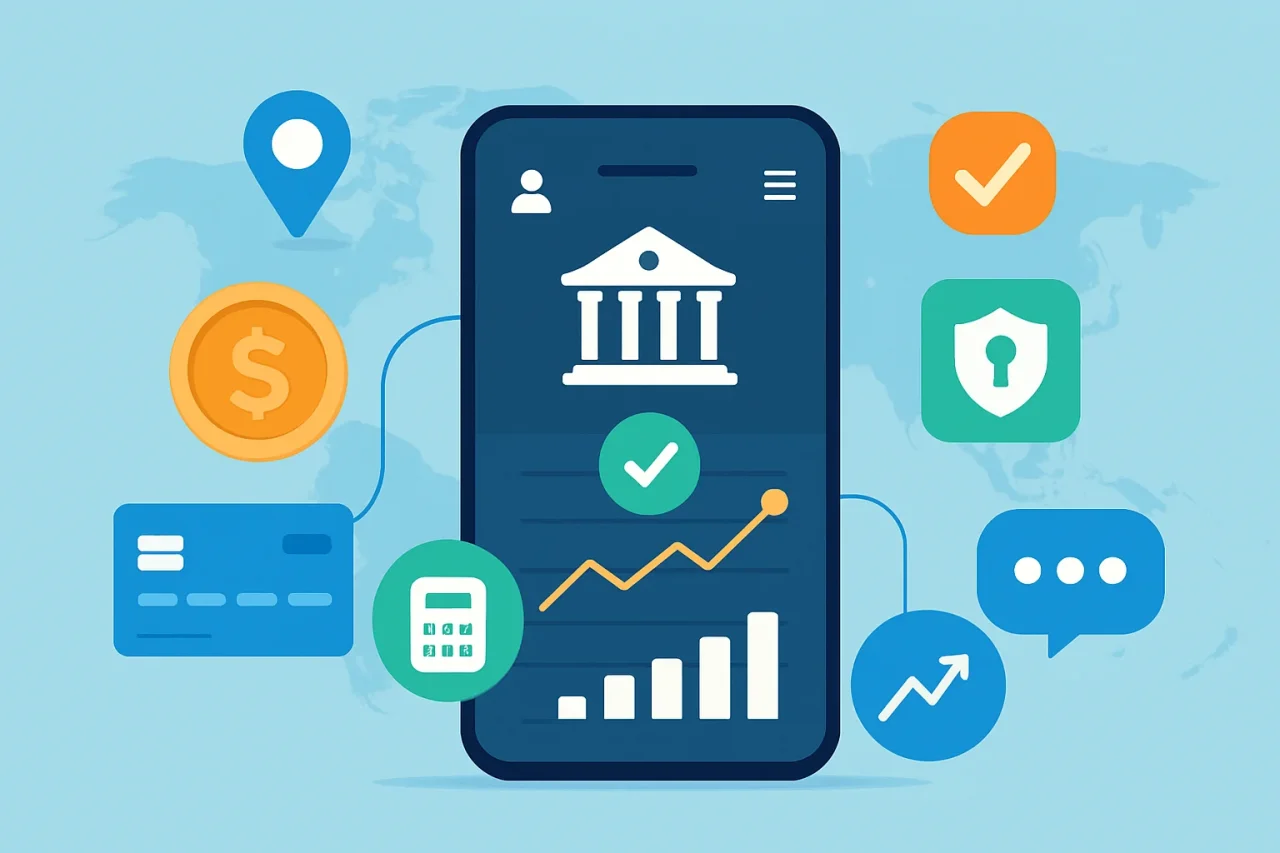
Technology has changed how people expect essential services to work. Speed, clear information, and access outside regular office hours have become important parts of a convenient financial experience. The finance industry has responded by redesigning many services to be accessible digitally.
This change involves more than replacing paperwork with screens. Modern platforms are built to help people complete tasks, understand their choices, and receive updates with fewer delays. As these systems improve, financial services are becoming more accessible and more closely integrated into everyday life.
Better Mobile First Banking
Banks are continuing to expand their apps beyond basic account management. Newer features include subscription tracking, personalized alerts, automated savings, and direct communication with support teams. This is turning the banking app into a central place for managing everyday finances.
Online lending platforms such as CreditNinja.com illustrate how some financial services have shifted from traditional bank branches to digital channels. These platforms may allow borrowers to complete applications online on a computer or mobile device and may offer options for applicants with a range of credit profiles. Depending on the lender, applicant eligibility, and processing times, approved funds may also be delivered through direct deposit.
Financial In-App Assistants Arrive
Conversational financial assistants are a new addition to banking apps in 2026. For example, in July, Visa introduced a service that lets users ask questions about their spending, receive monthly insights, and take actions such as locking a card or setting alerts via chat. The service is scheduled to enter pilot testing with US financial institutions in August 2026.
These assistants go beyond older chatbots that mainly answer common questions. They can use account activity to provide more relevant information and connect users directly with controls inside the banking app. This could make it easier for customers to understand their finances and act without moving between different pages.
Budgeting, Saving, and Credit Monitoring Tools
Personal finance apps increasingly connect several accounts. They allow users to categorize transactions, identify recurring bills, track credit scores, and automate savings contributions. As a result, a 2025 digital banking survey found that 34 percent of respondents used digital budgeting tools, while adoption of credit monitoring reached 52 percent.
These tools can turn account activity into clearer, more useful information. Spending alerts can indicate when a category is nearing its limit, while savings features can automatically move selected amounts. Credit monitoring tools can also notify users when their reports change, helping them keep track of their wider financial position.
Digital Investing and Retirement Planning
Investment apps now provide portfolio monitoring, automated management, retirement projections, educational resources, and access to professional guidance. Others have also started adding virtual assistants that can answer questions about accounts and investments. This has led to 22% of investors using digital investing apps to manage their portfolios.
These platforms give users a clearer view of how their investments are performing over time. Account holders can adjust contributions, review their asset allocation, and update long-term goals without waiting for a scheduled meeting. Some services combine automated tools with access to a human adviser when more detailed guidance is required.
Digital International Remittances
Sending money abroad has shifted from physical transfer locations to mobile apps and online platforms. Digital services let users initiate transfers, review charges, track transactions, and send funds directly to bank accounts or digital wallets. A 2025 report noted that the global remittance market reached approximately $905 billion in 2024.
Recipients may no longer need to travel to a branch or collection point to receive their money. Funds can often be deposited into an account that supports digital purchases, bill payments, or cash withdrawals. This makes international transfers easier to manage for families and workers who regularly send money across borders.
Digital Insurance Shopping and Claims
Insurance platforms use automated comparison systems to organize policy details, coverage limits, and quotes in one place. For claims, mobile apps combine digital forms, photo uploads, document scanning, and image analysis to gather information about an incident. Workflow software then sends the details to the appropriate claims team while providing customers with progress updates through the app.
With these tools connecting each stage of the process, customers have less need to rely on phone calls and paper forms after an incident. They can submit supporting information directly and check whether additional documents are required. Regular status notifications also make the claim easier to follow from submission to resolution.
Clicking Into the Future
Financial services are no longer tied to branches or paper forms. People can now bank, borrow, budget, monitor credit, invest, plan for retirement, send money abroad, and file insurance claims online. In-app assistants and automated tools also make these tasks easier to understand and complete.
Looking ahead, these services will likely become more connected and easier to use across different devices. Digital finance is moving toward a future built on faster access, simpler processes, and clearer information.
Comments
Comments are available to signed-in users and are moderated to keep the discussion useful and respectful. Spam, automated submissions, and low-value promotional comments are removed. Outbound links may be approved when they are relevant and genuinely helpful to readers, but they are displayed as plain text rather than clickable hyperlinks.
No comments have been published yet.
Please sign in to submit a comment.