

What is Cyberbullying and How to respond?
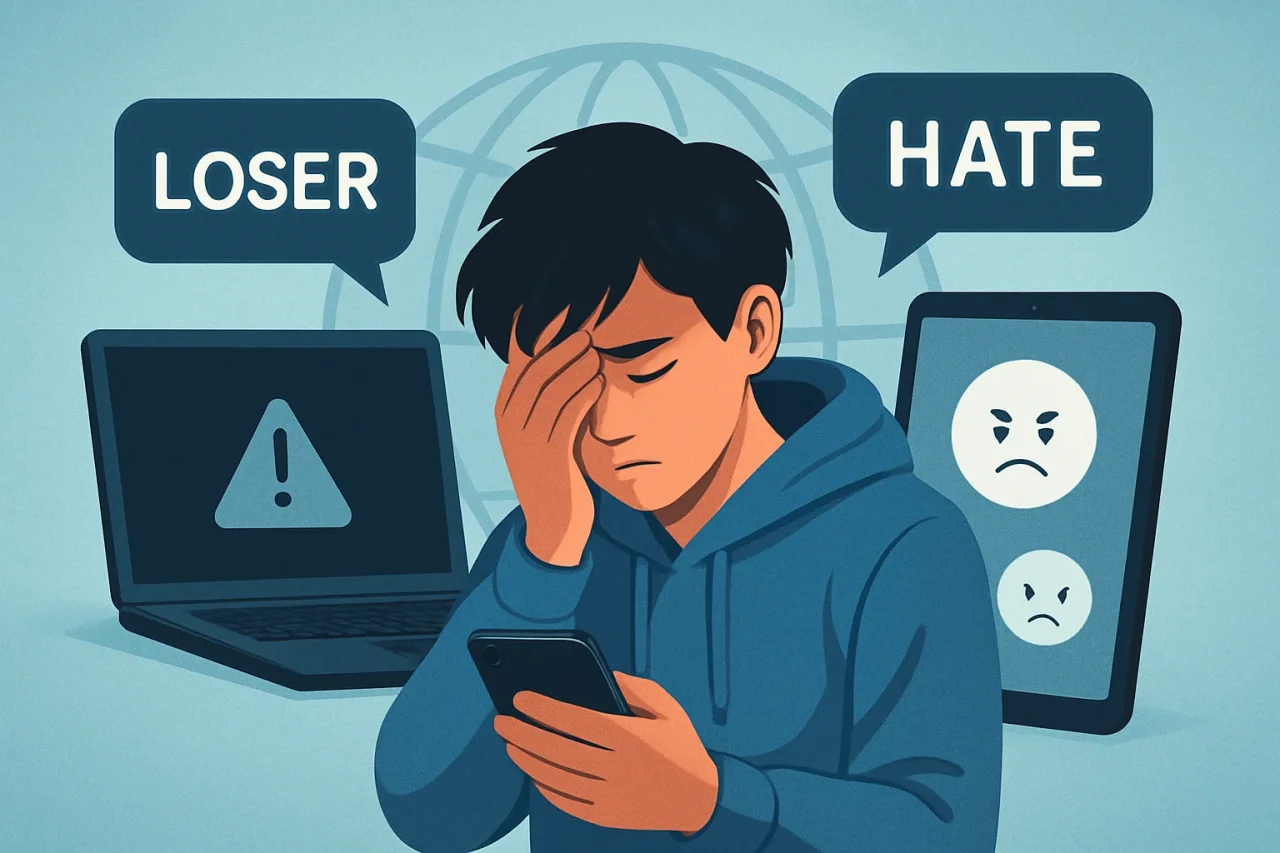
Cyberbullying is bullying someone by using an electronic medium such as social media, SMS, messaging app, or email to harass or intimidate a victim. Cyberbullying is more frequent in children, but some high school or even college kids experience it. Easy access to anonymous messaging apps also influences teenagers to bully someone without identifying themselves, and it makes it very difficult for the victim to identify who is doing it.
How to protect yourself from Cyberbullying?
Cyberbullying may have begun for many reasons, but as a victim, you may not know why and how it started. It could be from hatred, jealousy, or reasons you might never expect. Some people get mad at small things, and those minor things can turn into something major. To protect yourself from cyberbullying, you treat others just like how you want to be treated. When you see bullying, help the victim by being kind and standing up for that person, just as you hope others will do the same if you become a victim of cyberbullying.
Bullying with a disguised identity
As kids get older, they become increasingly tech-savvy and smarter at disguising their identity and harassing someone without knowing the consequences. It is extremely easy for someone to hide their identity, but extremely difficult for a victim to find the culprit. The anonymous messaging apps do contribute to the growth of cyberbullying, and the government authorities can't do much about it. It is unfortunate to see anonymous messaging apps and social media sites such as Facebook and Twitter becoming platforms for bullying people.
The fact that anyone can disguise themselves and craft hateful messages to distress and aggravate the victims without any accountability is mind-boggling. Hiding behind a scene of anonymity to send hurtful messages is a loser's move, but young adults don't often realize that such cowardly behavior is a crime.
What can you do about Cyber Bullying?
As a victim of cyberbullying, you may be frustrated, angered, and even discouraged by things you do. If you express those behaviors, you're helping the culprit, as that's what the person bullying you wants to see. There are many who suffer from cyberbullying, and you're not alone. It is easier said than done, but the following should be responses to cyberbullying.
- Ignore the bully and DO NOT respond. By responding to their bully, you're helping them achieve their intentions.
- Get Help from adults or authorities. Reach out to your parents, teachers, and authorities to let them know what you're going through and get help from the people who can help you.
- Keep a record of all messages received. If you need help from adults or authorities, you'll need a record of what you received, when it was received, and how it was delivered. If you can capture screenshots or photos of the posted content, it will be helpful for the investigation (if needed).
- Block phone numbers, emails, and social media posts if you know the culprit. Or, you may even stop using Social Media sites like Facebook, Twitter and Instagram.
- Don't let cyberbullying affect your lifestyle. The person who is bullying you may be jealous, envious, or even admire you, but they are bullying you because they don't have the wonderful traits you have. The person bullying you is the one with the problem, not you so there is no reason to be down. Instead of dealing with hiding haters, enjoy your life with someone you trust and love.
Conclusion
Cyberbullying is one of the biggest problems we see in youth and young adults, and many have committed suicide from suffering cyberbullying. The lawful legislation doesn't provide enough protection to victims, and victims by themselves cannot combat cyberbullying. As members of the cyber community, we all have to get involved in eliminating cyberbullying and make the Internet a better place to hang out.
Related Articles

February 5, 2026
How IP Location Tracking Works and How to Protect Your Privacy Online
The internet feels anonymous, but in reality, every device connected to the web leaves digital traces. One of the most important signals is your IP address. Whether you’re brow...
Read More
October 14, 2017
Cyberbullying Case Studies
With a number of social media platform cohesively blended into our lives, our online activities can be easily viewed by friends, acquaintances, and many strangers. Cyberbullying is...
Read More
September 6, 2017
Cyberbullying by the Numbers
Cyberbullying has been around for decades, but it isn’t until today that it has been catapulted as one of society's biggest social issues. With technology’s unprecedented growth co...
Read More
Comments
Comments are available to signed-in users and are moderated to keep the discussion useful and respectful. Spam, automated submissions, and low-value promotional comments are removed. Outbound links may be approved when they are relevant and genuinely helpful to readers, but they are displayed as plain text rather than clickable hyperlinks.
No comments have been published yet.
Please sign in to submit a comment.