

Contractor Invoice Template: A Complete Guide for Freelancers and Service Professionals

A contractor invoice template is an essential business document for independent contractors, freelancers, consultants, and service providers who need a professional way to charge clients for completed work. Whether someone works in construction, graphic design, digital marketing, consulting, home repair, or software development, maintaining organized financial records is important for healthy cash flow and strong client relationships. Without a structured billing process, delays, confusion, and accounting issues can quickly arise. A professional invoicing format simplifies transactions by providing a ready-made structure that includes all important payment details. This allows professionals to spend less time on administrative tasks and more time focusing on business growth and client service.
What Is a Contractor Invoice Template?
A contractor invoice template is a pre-designed financial document created for professionals who charge clients for services or project-based work. Instead of manually creating billing records for every assignment, users can simply update the layout with project details, payment terms, and customer information. These templates typically include reference numbers, contact information, issue dates, due dates, service descriptions, tax details, and total balances due.
Because many contractors work on short-term or milestone-based projects, organized invoicing systems help maintain consistency and professionalism. Businesses with streamlined financial workflows also tend to receive funds faster because clients can quickly review charges without confusion.
Why Billing Templates Matter for Contractors
Contractors often juggle multiple projects, deadlines, suppliers, and customer communications. In a busy workflow, financial documentation can easily become disorganized if handled manually. Structured invoicing systems help standardize transaction requests and reduce the risk of missed charges, forgotten taxes, or incomplete client details.
A professional payment format also builds trust by demonstrating organization and attention to detail. Clients are more likely to respond promptly when records are clear, readable, and easy to understand. Additionally, consistent documentation improves bookkeeping by helping businesses maintain organized records for audits, tax filing, and financial tracking.
Key Components of a Contractor Invoice Template
A professional payment template should include several important sections. At the top, businesses should provide their company name, logo if available, phone number, email address, and business location. Customer details should also be clearly listed, including name, billing address, and contact information.
Each document should contain a unique reference number for easier tracking and recordkeeping. The service section should outline completed work, hourly rates or fixed project fees, quantities, subtotals, applicable taxes, and the final amount due. Transaction instructions are equally important and may include bank transfer information, digital payment options, and other accepted methods. A due date and payment terms should also be clearly displayed to avoid misunderstandings.
Benefits of Using Structured Invoicing Systems
Organized financial systems offer several practical advantages for independent professionals and businesses. First, they save time by eliminating the need to create new records from scratch for every project. Users can reuse the same format while updating only client and project details.
Second, standardized documentation improves accuracy by ensuring important information is not overlooked. Third, these systems help create a more professional image, which can strengthen customer relationships. Consistent recordkeeping also simplifies reporting and tax preparation. Many businesses that move away from manual processes notice faster collections, fewer administrative mistakes, and improved cash flow management.
Customizing Templates for Different Industries
Different industries require different financial documentation structures. A construction business may need line items for materials, labor costs, machinery rental, and milestone payments. A freelance writer may only require hourly charges or article rates, while a software developer might include maintenance fees, feature development costs, and subscription charges.
This is why customization is important. Businesses should adapt document formats to match their workflow, services, and project style. Adding a company logo, brand colors, or personalized notes can also improve professionalism and branding. Tailored recordkeeping systems create a smoother experience for both service providers and their customers.
While managing invoices and project payments, many professionals prefer ready-made solutions to avoid unnecessary formatting work. Tools like Zintego provide invoice and billing templates that contractors can adapt for different industries, payment terms, and project structures.
Common Mistakes Contractors Should Avoid
Even with organized systems, businesses can still make administrative mistakes if they are not careful. One common issue is sending payment requests late, which often results in delayed collections. Another mistake is using vague descriptions such as “services rendered” instead of clearly outlining completed work.
Missing due dates can also confuse customers and reduce urgency. Businesses should avoid calculation errors in totals, taxes, or discounts, since these mistakes can slow approval and processing. Forgetting reference numbers or client details may also create accounting confusion later. Carefully reviewing documents before sending them is a simple but effective way to maintain professionalism and improve operational efficiency.
Tips for Getting Paid Faster
Receiving funds quickly often depends on strong financial habits. Businesses should send payment requests immediately after project completion or milestone delivery. Clear due dates, such as Net 7, Net 15, or Net 30, help customers understand expectations.
Offering multiple transaction options, including bank transfers, card payments, or online wallets, can reduce friction during the collection process. Automated reminders are also useful for overdue balances because they reduce the need for manual follow-ups. For larger projects, requesting an upfront deposit can help improve early cash flow. Consistent financial practices combined with organized recordkeeping can significantly improve processing speed and overall financial stability.
Conclusion
A contractor invoice template is an essential tool for professionals who want to manage transactions efficiently while maintaining a polished business image. Whether working independently or operating a growing service business, having a structured financial workflow helps reduce errors, save time, and improve organization.
Professional documentation formats can also improve consistency and simplify recordkeeping. In today’s competitive market, organized financial management plays an important role in maintaining strong customer relationships and healthy cash flow. By using ready-made structures tailored to business needs, professionals can streamline operations and reduce administrative workload throughout the year.
 FAQs
FAQs
A contractor invoice template is a pre-formatted financial document used to request compensation for completed services or project-based work.
Freelancers, consultants, developers, designers, marketers, construction businesses, and other service professionals can use contractor invoice templates.
They save time, reduce errors, improve consistency, and create a more organized administrative process.
Yes, these formats can be customized with logos, business details, service categories, tax information, and transaction options.
Structured financial systems improve organization, speed up collections, simplify accounting, and strengthen client trust.
Featured Image generated by ChatGPT.
Related Articles

May 18, 2026
Why Freelancers Are Looking for Faster and More Flexible Payment Options
Freelance work used to feel simpler. Finish the project. Send the invoice. Wait a few days. Get paid.
Read More
March 10, 2025
Using AI to Launch a Business: A Complete Guide
Starting a business in today's digital world is easier than ever, thanks to artificial intelligence (AI). AI-driven tools help entrepreneurs streamline processes, reduce costs, and...
Read More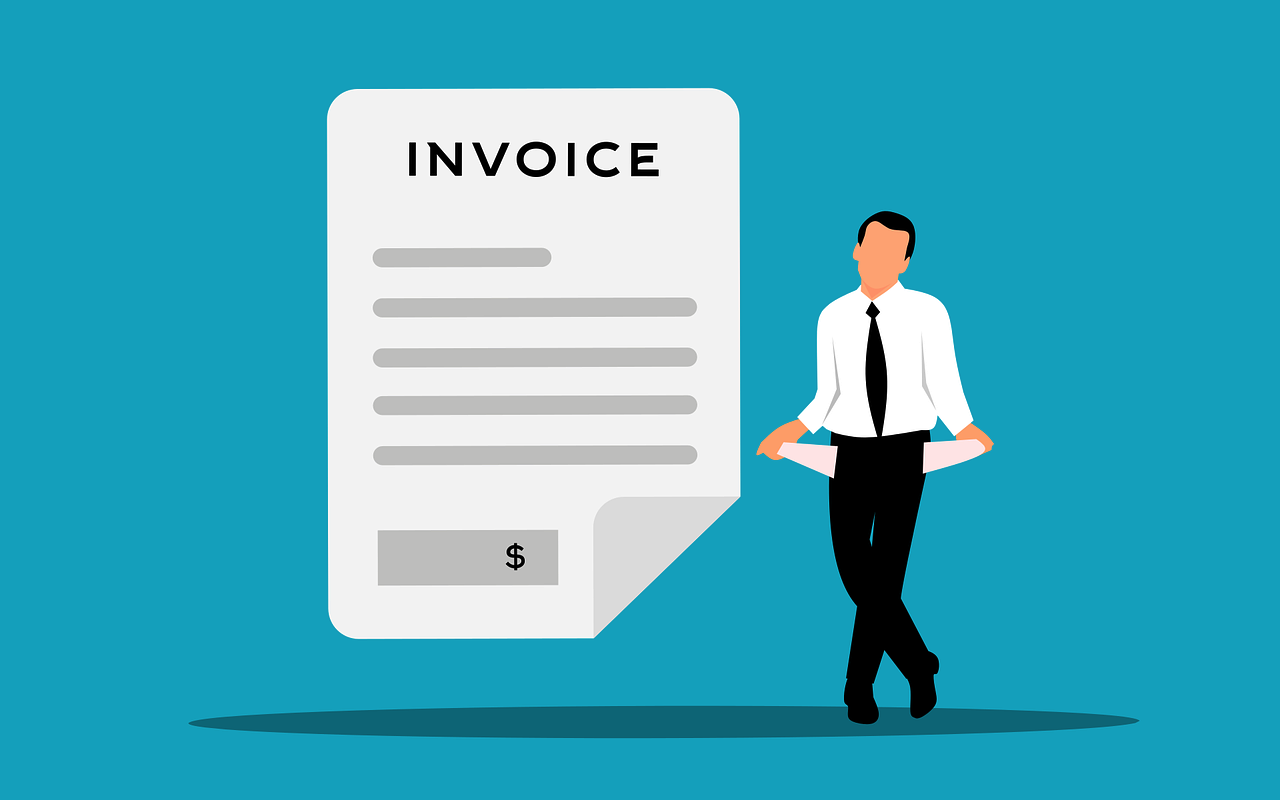
February 27, 2025
Invoice requirements in the USA: What to include and best practices
Small businesses like independent contractors must comply with certain tax requirements when issuing invoices. So knowing how to invoice in the US could help you avoid legal issues...
Read More
Comments
Comments are available to signed-in users and are moderated to keep the discussion useful and respectful. Spam, automated submissions, and low-value promotional comments are removed. Outbound links may be approved when they are relevant and genuinely helpful to readers, but they are displayed as plain text rather than clickable hyperlinks.
No comments have been published yet.
Please sign in to submit a comment.