

CCTV Technology: Components of Modern Surveillance Systems
Nowadays, closed-circuit television (CCTV) and modern surveillance systems are installed in most places, from schools and private properties to stadiums. These greatly help prevent and address security problems and crimes. Knowing the components of a CCTV system will help you design an effective solution for your property. Knowing the various components that make up a CCTV system will help a person tailor it to specific security needs. You may also seek professional advice on tailor-made solutions from CCTV installers. This article will explain the components of a CCTV system and how they work together for effective, modern surveillance. We will also describe what makes up modern surveillance systems.
Camera
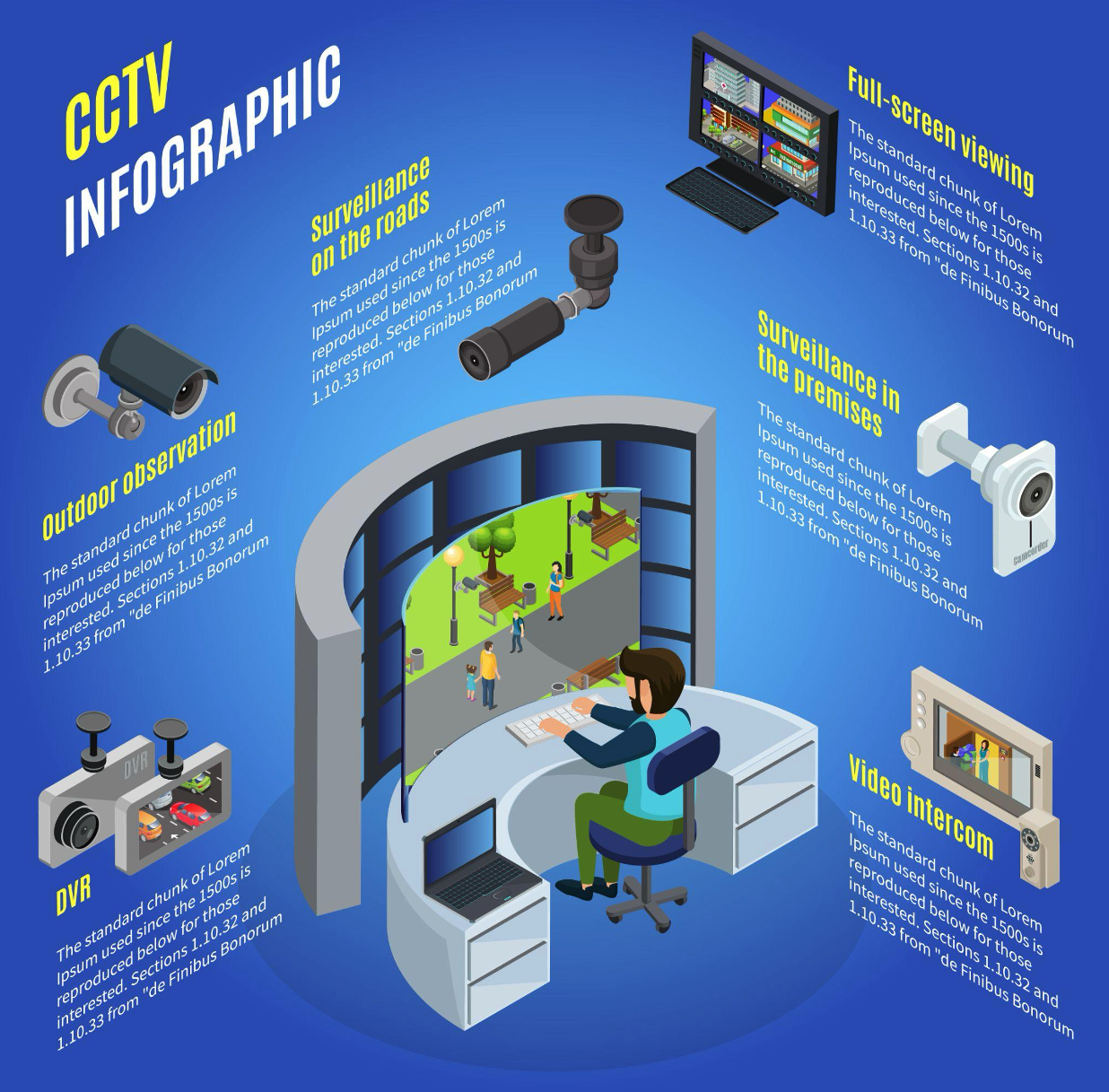
As such, when installing a CCTV system, the installer has to choose either IP cameras or analog cameras. IP cameras are generally the most popular because the quality of the pictures they produce is high and they work over a network. These also come in types: dome cameras, which are discreet and mainly for indoor use; bullet cameras, which are long-range and primarily for outdoor modern surveillance; and covert cameras, which are usually hidden. Consider the angles to be covered, how many cameras to use, and the resolution required for your security needs.
Monitoring Station
The monitoring station would be where you will view recorded footage and images that your security cameras capture. How many monitors you need depends on the size of the area you are covering and the complexity of your security scheme. If it is a small facility under modern surveillance, probably one to three monitors will do, giving a clear view of critical locations. Larger installations may require additional screens to ensure complete coverage. These are very flexible systems; hence, one can easily add or remove monitors, which cater to your needs for constant change in monitoring. This adaptability hence means you have a modern surveillance system that shall scale with changes in your security requirements. Some surveillance systems also incorporate camera quality monitoring to identify potential issues such as blurred images, obstructed camera views, or interrupted video feeds.
Cables & Routers
The type of cables and routers required will depend on the design of your modern surveillance system and the cameras chosen. This should include good cables to be run from the cameras to the recording and monitoring equipment for wired systems. On the other hand, a robust router is required for wireless systems to handle data transmission from cameras over the network. The cables and routers must be compatible with your cameras and monitors to ensure a reliable, high-quality connection. Also, consider the run and any potential interference that may affect signal quality or cable performance during installation planning.
Video Recorders
Video recorders are crucial in the processing, storing, and playing back of videos obtained from your cameras. There are two major types: DVRs and NVRs. DVRs normally work with analog cameras and convert these analog signals into digital format for recording and playing. On the other hand, NVRs work with IP cameras to record video footage across a network. They have their advantages: DVRs are usually lower-priced, while NVRs offer higher resolution and flexibility. Knowing the differences between DVRs and NVRs will help in selecting the appropriate recorder for your camera system and intended application.
Data Storage
The data storage solution that you are going to use is at the center of the effectiveness of your CCTV security system. It needs to handle constant recording from multiple camera feeds and provide reliable playback. Standard hard drives used in PCs and laptops were not designed to handle the workload of CCTV storage. Specialized hard drives or Network Attached Storage units designed for security applications are available for use. Such storage facilities are designed to capture the vast data produced by modern surveillance systems, offering durability and large capacities for long-term storage. Be sure that the storage system can meet your system's data needs, allowing room for expansion in the future.
Power Supply
An important component of a CCTV system is the power supply. Normally, in most wired applications, this is done using power-over-Ethernet technology, which transmits both power and data over a single cable. This simplifies installation and minimizes the number of cables required to install or service the system in your building. An excellent power supply will keep your cameras running while you enjoy constant video streams from the device. Most importantly, a robust and well-maintained power supply is the key to the uninterrupted performance of the CCTV system.
Conclusion
Choosing the right CCTV cameras and other relevant elements, including Power-over-Ethernet for both efficient power and data, brings into play some of the keys to effectiveness. Expert consultation from a CCTV installer in Greater Manchester ensures optimal settings and the reliability that comes with this aspect. With attention to each of these factors, the level of protection for one's property can be drastically improved.
Related Articles

November 27, 2025
How Modern Workplaces Are Rethinking Their Phone Systems
Clear communication is essential for any organization, and the tools used to support that communication have changed noticeably in recent years. Many companies are reviewing whethe...
Read More
April 17, 2025
The Role of Technical Writing in Modern Technology
Technical writing plays a pivotal role in making complex technology concepts accessible to a wider audience. By translating technical jargon into clear, user-friendly language, it...
Read More
January 22, 2025
The Role of Technology in Transforming Modern Business
In the ever-evolving landscape of the 21st century, technology has become a cornerstone for modern businesses. From streamlining operations to enhancing customer experiences, the i...
Read More
Comments
Comments are available to signed-in users and are moderated to keep the discussion useful and respectful. Spam, automated submissions, and low-value promotional comments are removed. Outbound links may be approved when they are relevant and genuinely helpful to readers, but they are displayed as plain text rather than clickable hyperlinks.
No comments have been published yet.
Please sign in to submit a comment.